The Evolution of Road Trips: From Retro Cars to SUVs
Road trips have always symbolized personal freedom, movement, and the choice of one’s own route. In the United States of the 1920s and 1930s, a car journey was not just romantic; it was a true test of endurance. Unpaved roads without lights, scarce gas stations, and miles of empty plains and hills marked the path. Travelers relied on paper maps spread across their laps, listened to the sounds of the engine, and hoped there would be enough fuel to reach the next town.
By the 1950s, with the development of automotive infrastructure, the emergence of Route 66 turned the road into a symbol of American culture. During this period, legendary diners, motels, and roadside cafes began to appear along the highway, becoming part of the collective image of the “road dream.” This era gave birth to the modern concept of road-tripping, complete with planned routes, stops, and a life lived on the road.
Retro Cars and Early Road Trips
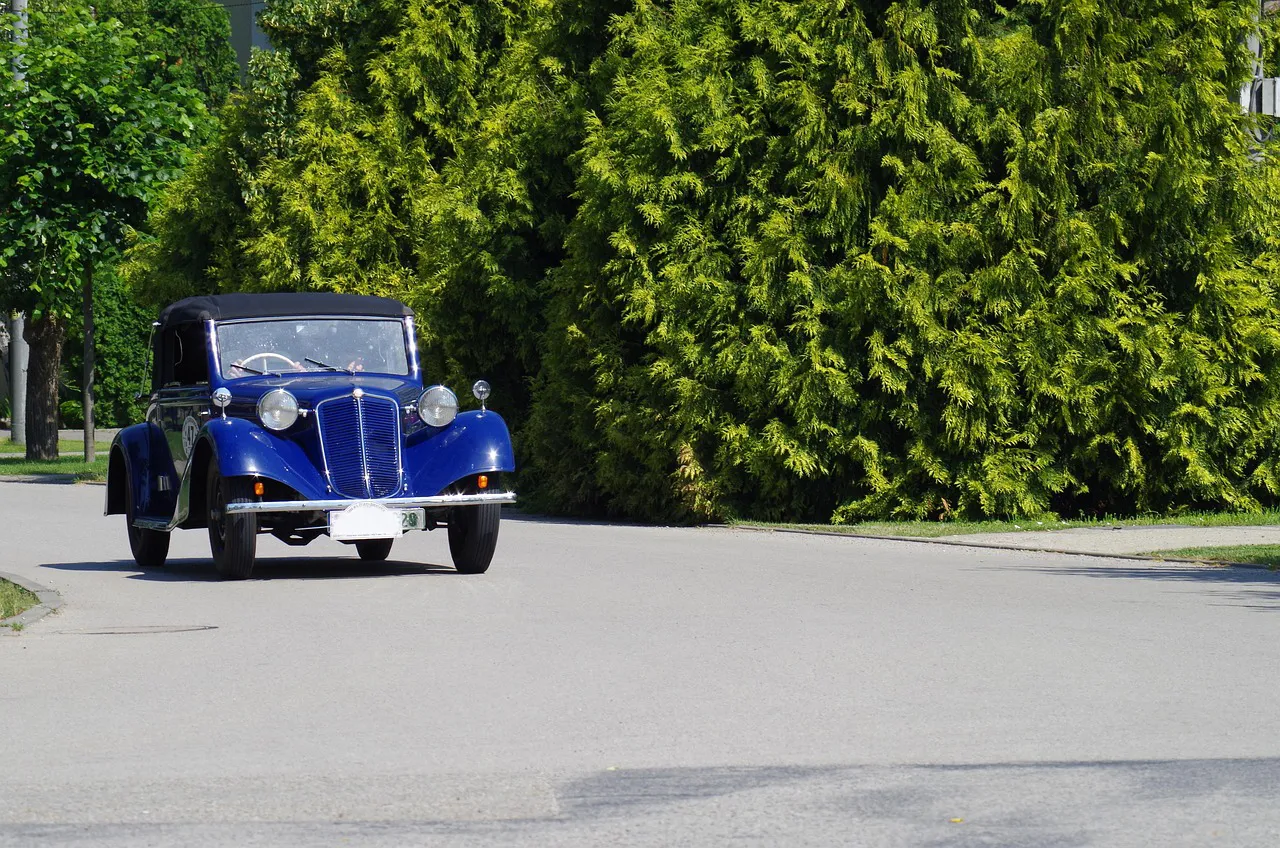
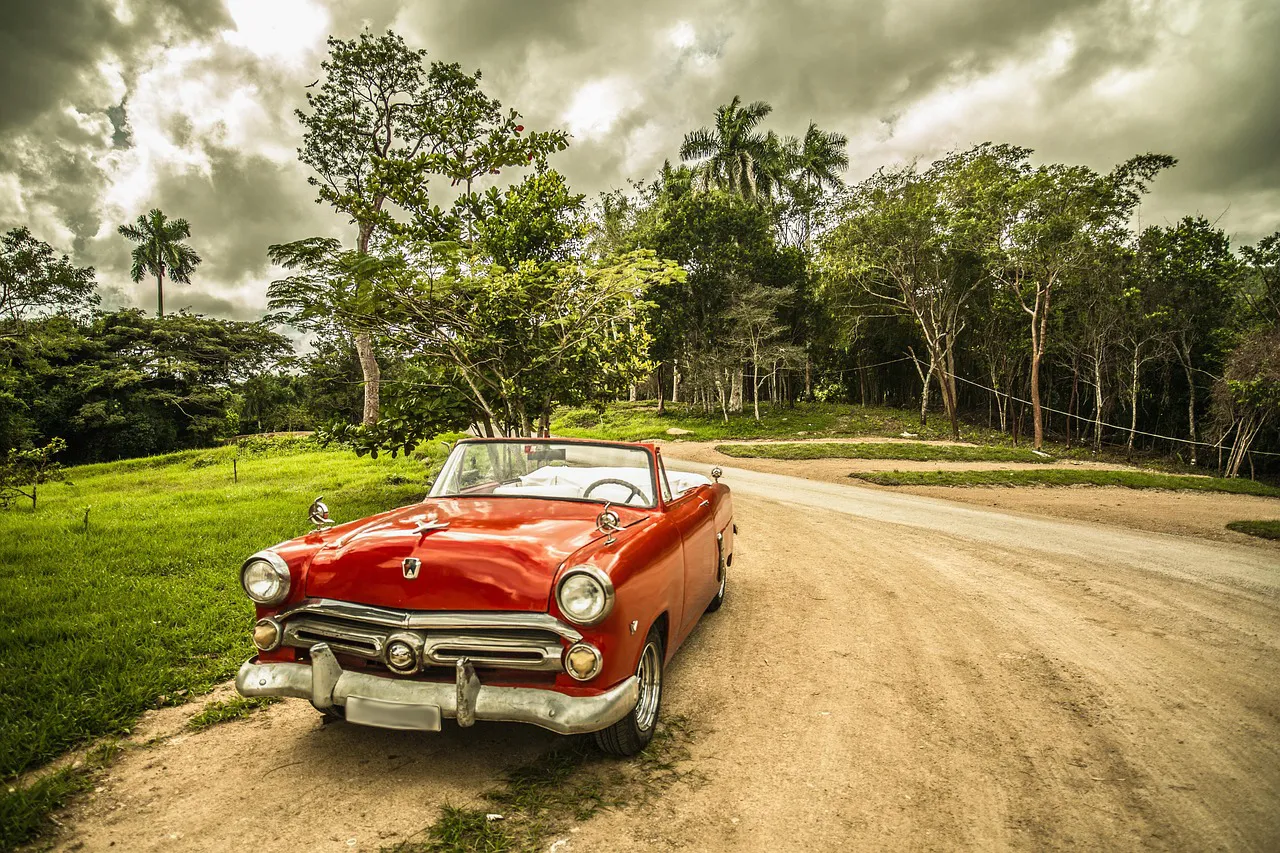
In the 1950s, long trips required reliable and spacious cars capable of enduring extended journeys. Among them, the Ford Thunderbird stood out as an iconic convertible with a powerful engine and striking design; the Chevrolet Bel Air offered a roomy family sedan with a large trunk; and the Dodge Coronet provided a practical and comfortable model for multi-mile routes.
Traveling was not about speed but about feeling the road: the gravel crunching under the wheels, the hot metal of the hood, the smell of gasoline, and the coffee purchased at a gas station. Tents, folding chairs, and other gear were packed into the trunk and on the roof, turning the car into a mobile hub of life on the route.
The Shift to Modern SUVs
Over time, road trips became more accessible and technically safer. A developed network of roads, online maps, driver assistance services, and modern vehicles removed much of the risk that marked early journeys. Yet with comfort came the question: does it take away the authentic feeling of the road?
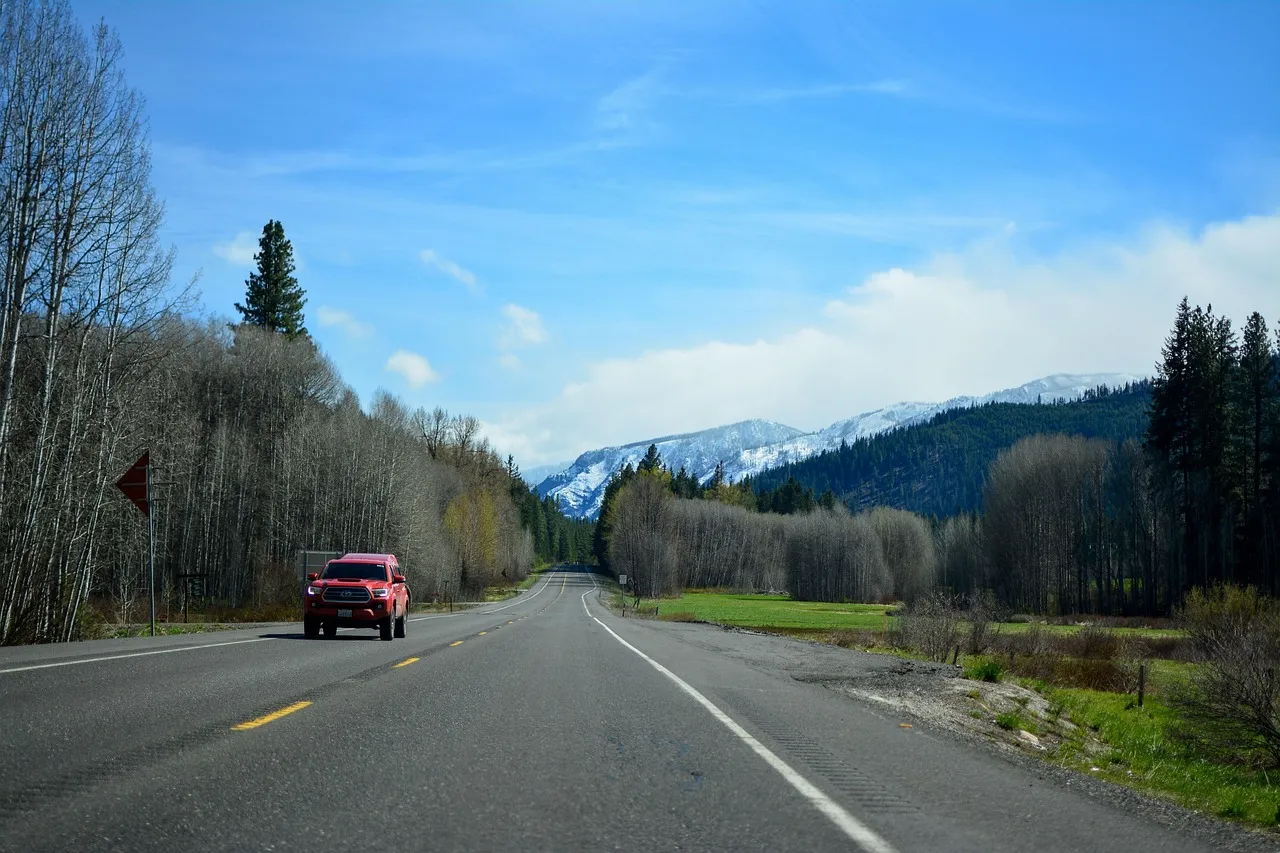
Modern SUVs combine stability, off-road capability, and high comfort. Navigation systems, climate control, ergonomic seats, and well-designed interiors allow hundreds of miles to be covered without significant fatigue. Organizers, folding sleeping platforms, and compact mobile kitchens turn the vehicle into a self-sufficient base for extended trips. This is why SUVs have become the preferred choice for those who want to travel off-road while keeping the spirit of freedom that defined early road trips.
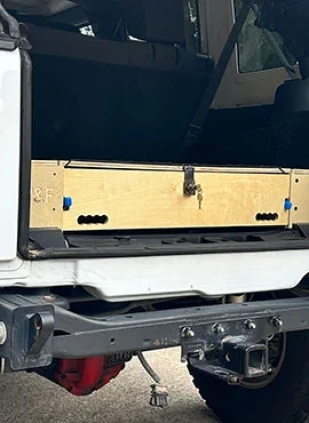
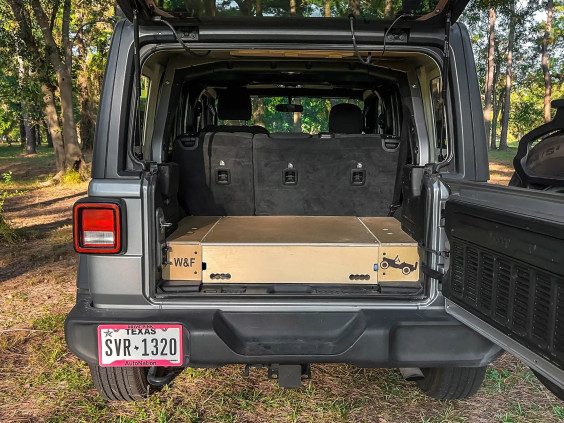
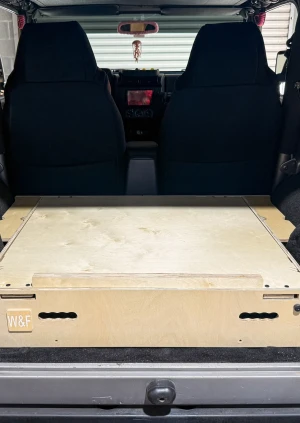
The Jeep Wrangler TJ trunk allows you to carry tents, backpacks, water, and supplies without sacrificing comfort or safety on the road.
Jeep Wrangler TJ in Modern Road Adventures
The Jeep Wrangler TJ has earned its status as one of the most recognizable vehicles for travel. Its design and off-road capability allow confident movement over rough terrain, sand, rocky slopes, and forest trails.
The Jeep TJ rear storage box increases usable trunk space, making it possible to carry more gear: from camping equipment to spare tools and supplies for extended stays far from civilization. The Wrangler TJ merges the aesthetic of retro road trips with the functionality of modern technology, bridging the gap between past and present.
Tips for Road Trips:
- Plan your route, but leave room for spontaneous stops to enjoy local nature or towns.
- Avoid overloading the trunk so the vehicle maintains good handling.
- Always carry extra water, food, and a basic set of tools, especially when traveling through sparsely populated areas.
- Use storage boxes to keep essentials within reach without cluttering the trip.
The evolution of road trips clearly shows how both technology and the perception of the journey have changed. Yet one thing remains constant: the feeling of moving forward. Perhaps now is the perfect time to pick a direction, start the engine, and let the road tell its own story.