80s–’90s American Roads: Influence on Music and Film
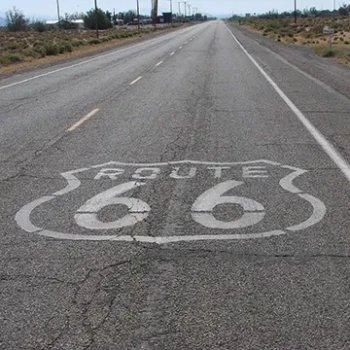
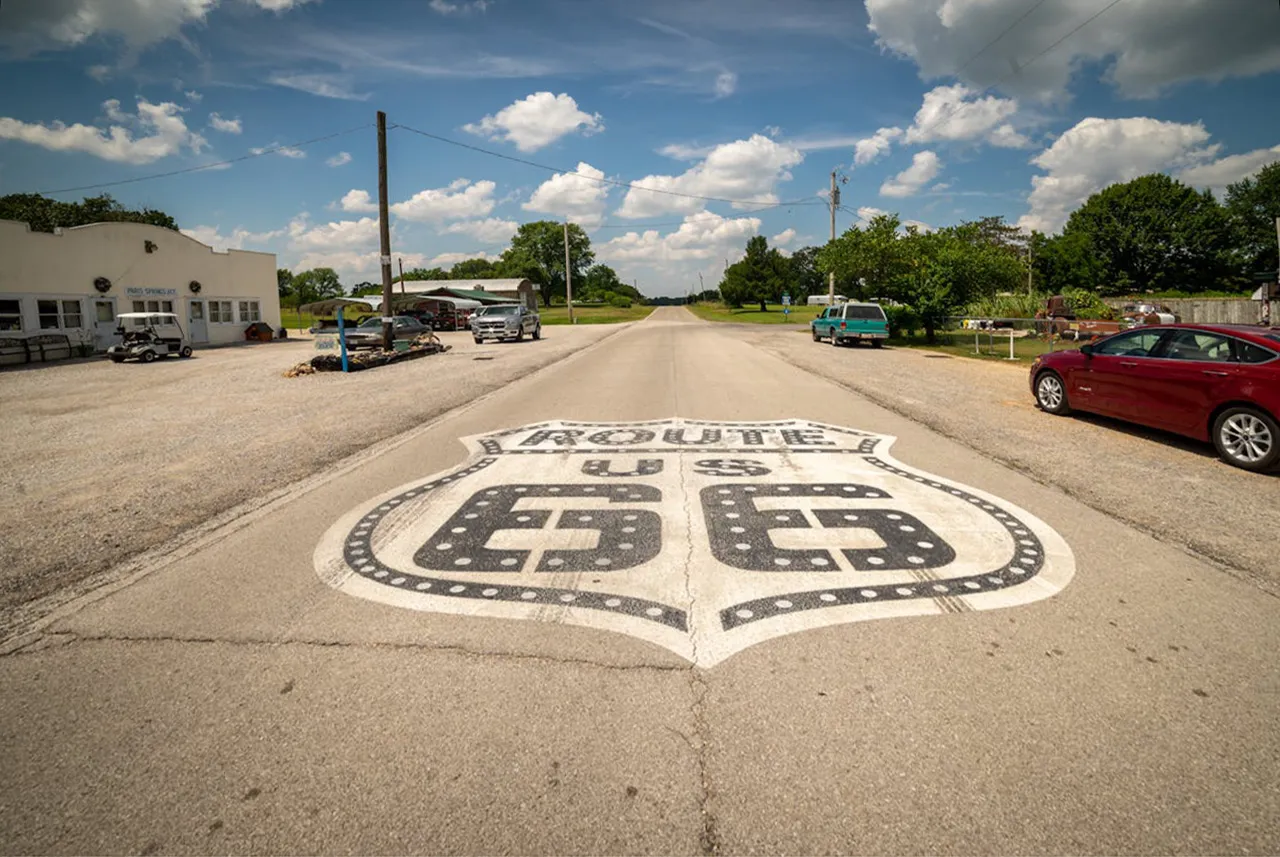
America in the ’80s and ’90s was a time when the road became a way of life. Interstate highways, including the iconic Route 66, had already achieved legendary status by then. Freedom was felt in every mile traveled. People would get into their cars to experience the rhythm of motion, the harmony of wheels on pavement, and the vastness of the horizon.
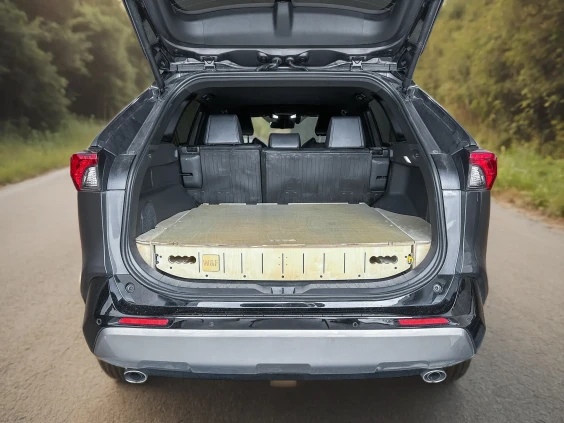
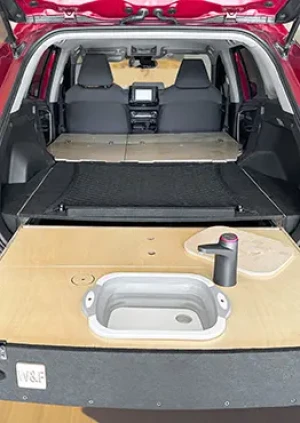
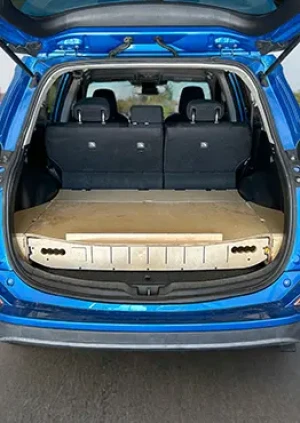
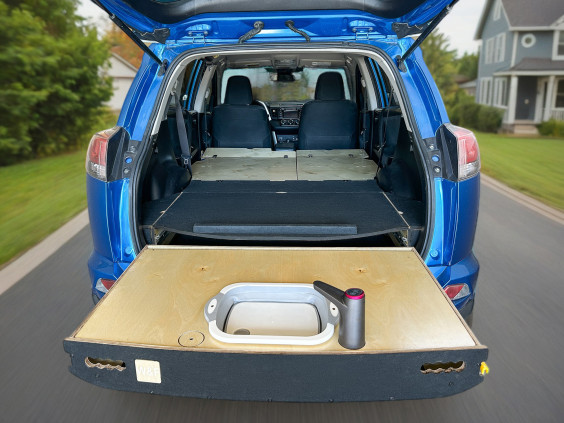
By the late ’90s, compact SUVs like the Toyota RAV4 made travel even more convenient and flexible. These vehicles combined comfort with the ability to sleep right inside the car. The earliest concepts resembling today’s RAV4 sleeping platforms turned a small vehicle into a welcoming space for rest. Such solutions continue to attract those who seek ease, independence, and the freedom to stop wherever they wish.
Music on the Road
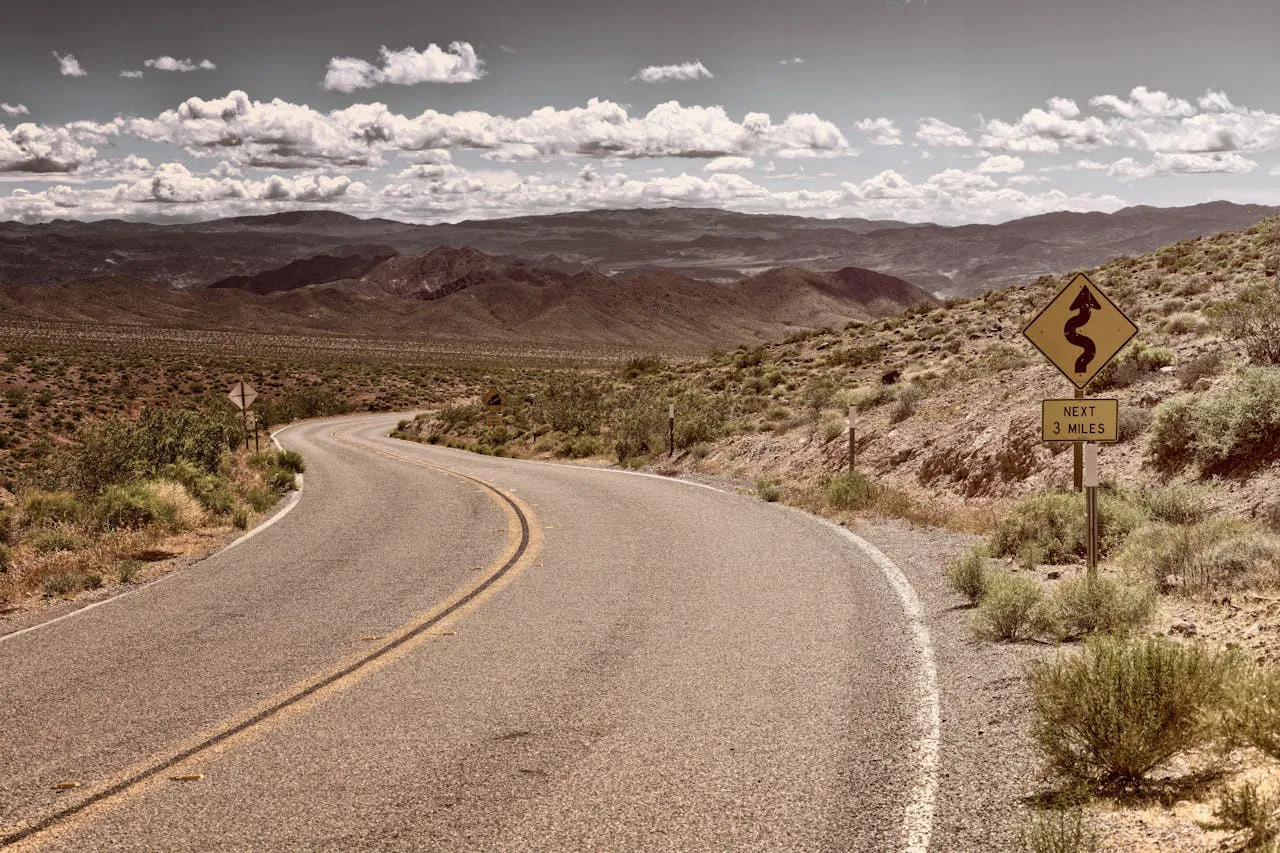
Music was a natural companion for the road during those years. Radio stations and cassette playlists accompanied every mile, with each song telling its own story of the journey. Rock bands, country artists, and solo performers drew inspiration from highways, motels, and sunsets over the desert. Archived interviews with musicians show that many tracks were born while on the road. Even album covers and music videos often reflected the aesthetic of travel, making the car and the highway central characters.
Film and Television: The Road as a Character
Road movies of the ’80s and ’90s, such as Thelma & Louise, Rain Man, and Planes, Trains and Automobiles, were infused with the spirit of travel. In these films, the road became a fully realized participant, carrying its own mood, unpredictability, and inner rhythm.
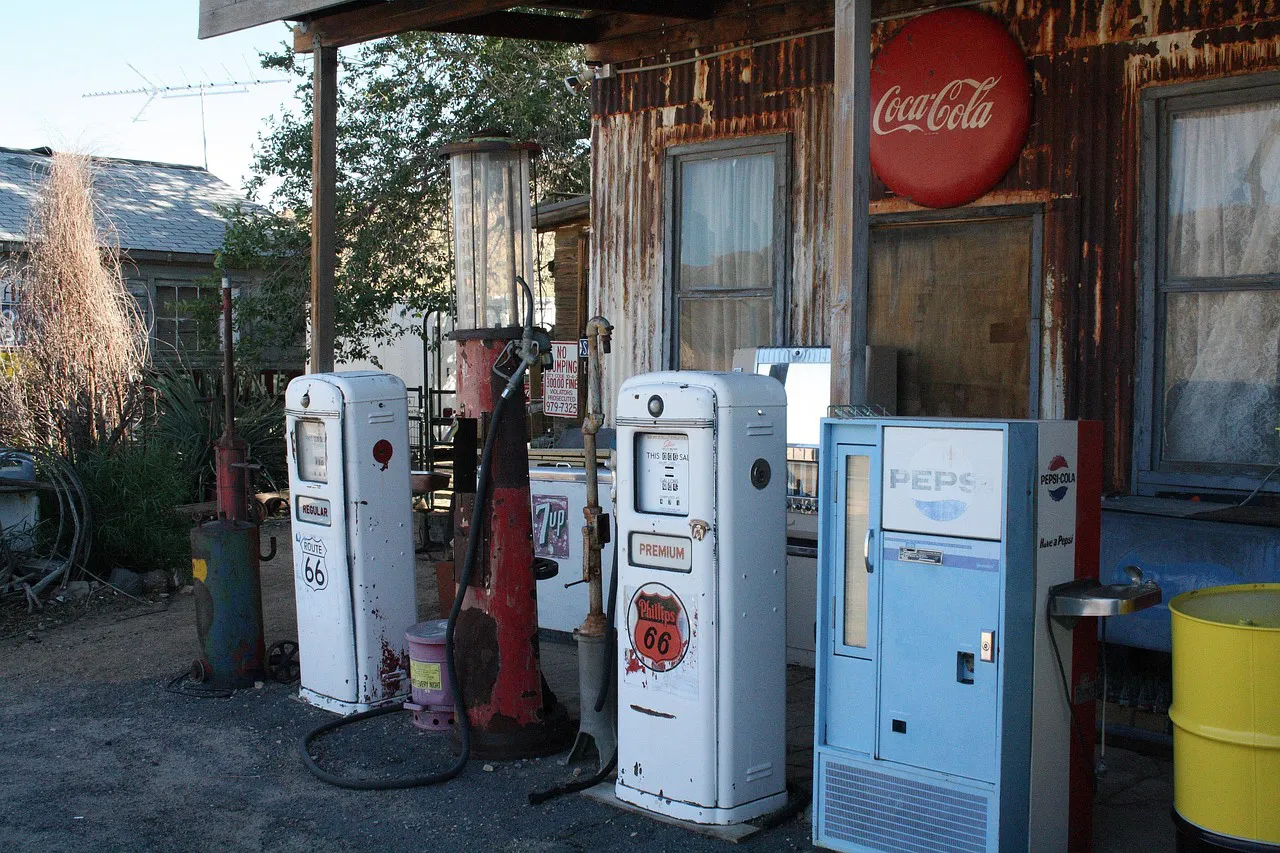
Neon-lit motels, roadside diners, and bustling gas stations all created a distinct atmosphere. The road symbolized choice, freedom, self-discovery, and the possibility of starting over. Through these stories, audiences experienced the transformation of the characters, feeling how each turn in the highway could change their inner world.
The Road Lifestyle
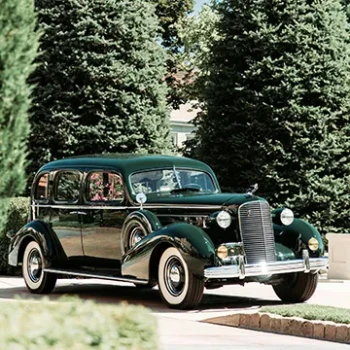
In the ’80s, people often traveled in station wagons and minivans. These vehicles were easy to load with supplies for long trips. Route 66 remained a romantic symbol of freedom, even after it was removed from the federal highway system. Travel was meditative and unhurried, filled with quiet observation of the world through the car window.
By the late ’90s, car culture had noticeably shifted. Travelers began looking for compact, practical vehicles that combined maneuverability with the capacity for long trips. This was when the RAV4 appeared on the roads: small, economical, yet surprisingly spacious. It became a symbol of a practical new approach to travel, allowing people not only to drive comfortably but also to spend the night in scenic spots, whether by a mountain lake, in the quiet of a national park, or at a secluded parking area.
Today, RAV4 car camping platforms remain popular among road travelers. They bridge the past and the present, continuing the tradition of road freedom that first emerged on American highways decades ago.
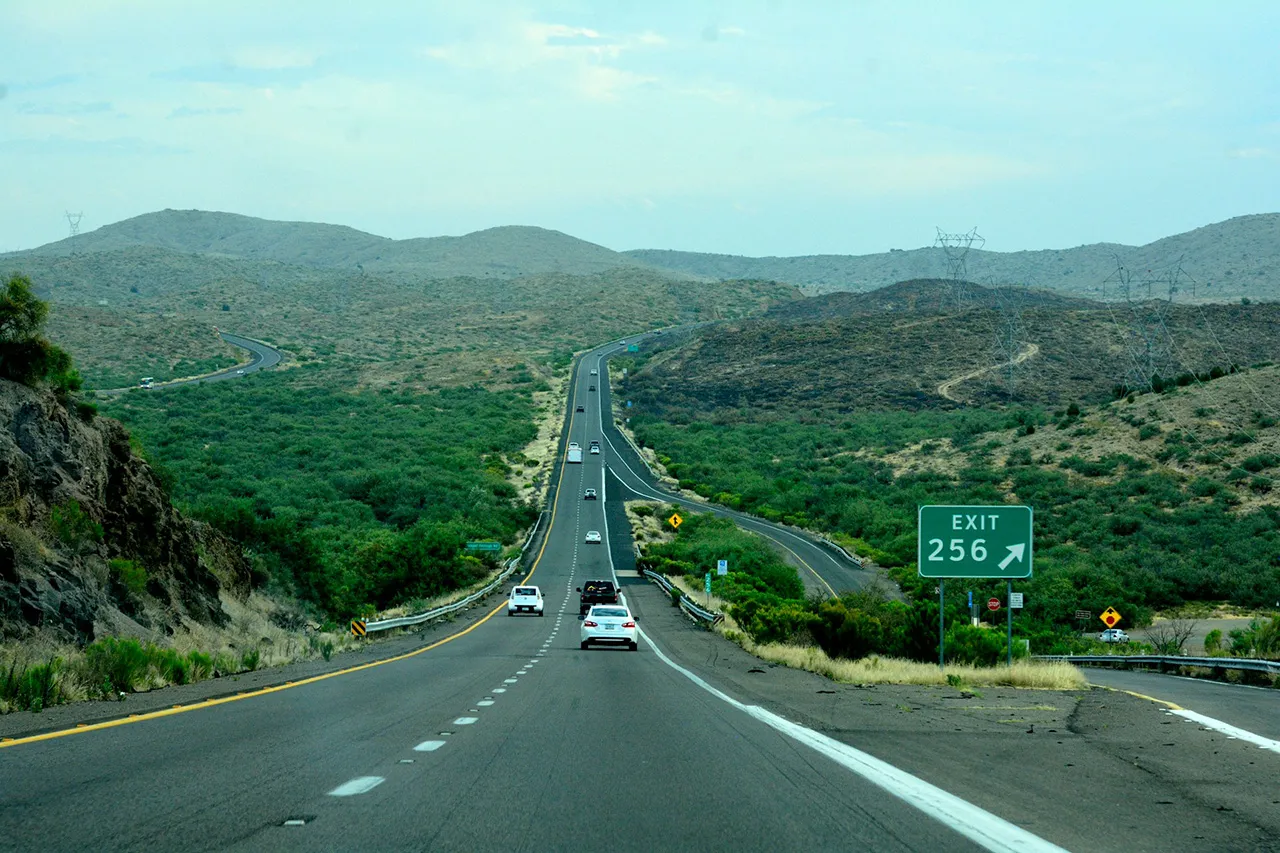
Music, film, lifestyle, and automobiles all shaped the idea of what a journey should be. The roads of those years continue to inspire people, a reminder that freedom and motion exist not only on the map but also within every road traveler.
Crossovers like the Toyota RAV4, which appeared in the mid-’90s, quickly became part of this tradition, and bed platforms make the spirit of those roads accessible to new generations.