Route 66: How Did the Culture of Road Trips Begin?
There are roads that change the course of history. Route 66 is one of them. It is not a record holder in length or importance on the modern world map. Yet it became the very road that people remembered and turned into a legend of freedom.
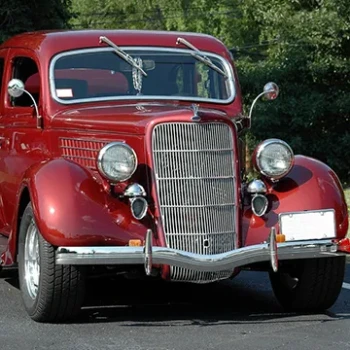
In 1926 the highway connected Chicago and Los Angeles, stretching for nearly 4,000 kilometers across eight states. In the 1930s Route 66 became vital for migrants from the Midwest who were fleeing the Great Depression and dust storms in search of work and a new life on the West Coast. Later, during the years of economic growth, it turned into a favorite route for tourists and drivers, and roadside motels, diners, and gas stations became symbols of American travel culture.
This is where the true culture of road trips was born, where the number of miles behind you matters less than the feeling behind the wheel.
Why was the road trip born in America?
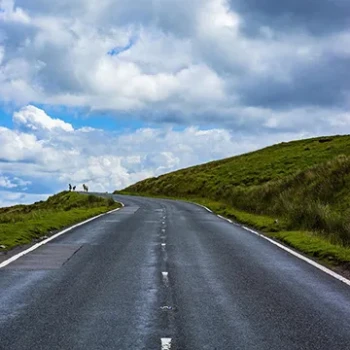
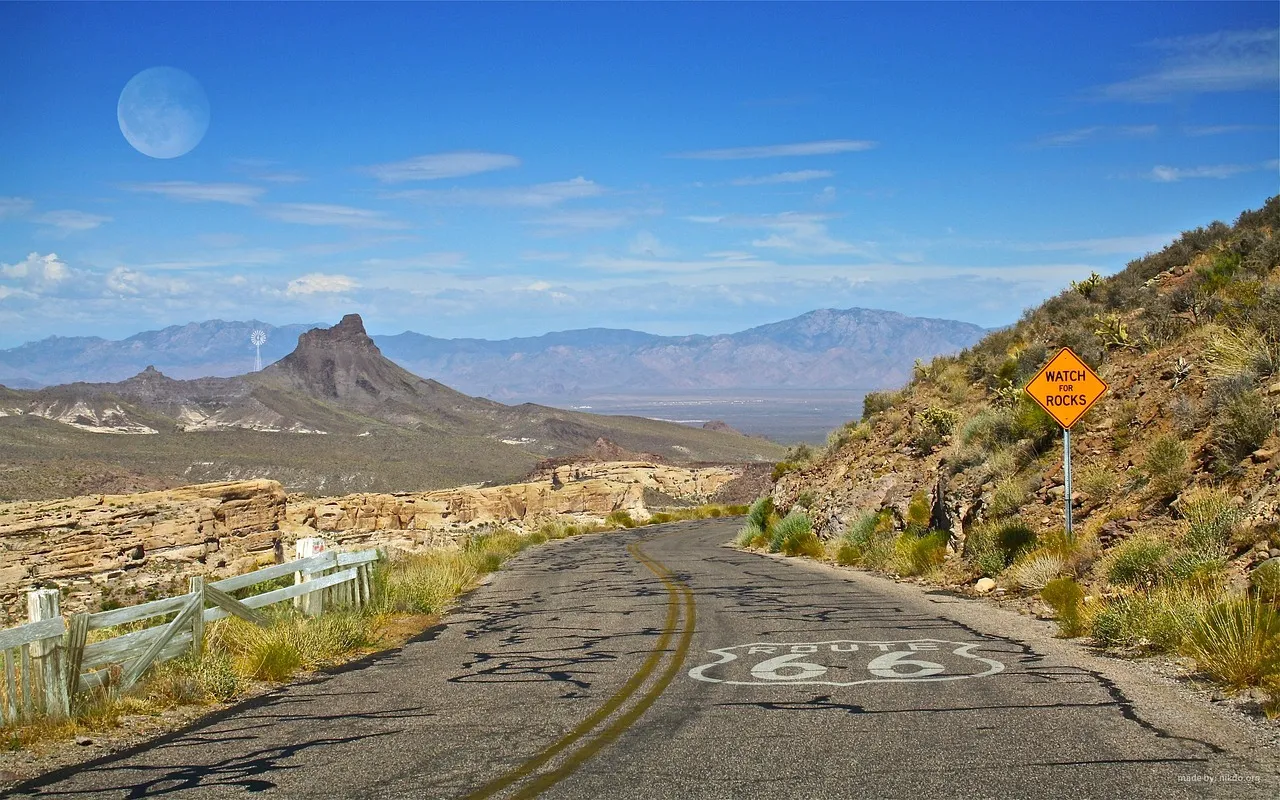
America gave the world road trips not because of fashion or for beautiful scenery. Hundreds of miles of deserts, rare small towns with roadside motels and gas stations, long straight highways disappearing into the horizon. All of this created a space where every mile became part of a personal story.
Here, the car stopped being just a means of transportation. It became a personal refuge, a place to be silent, to sing, to make decisions, and to rewrite familiar life scenarios. The car turned into a small world where a person chooses the rules.
Route 66 today: a conversation with the past
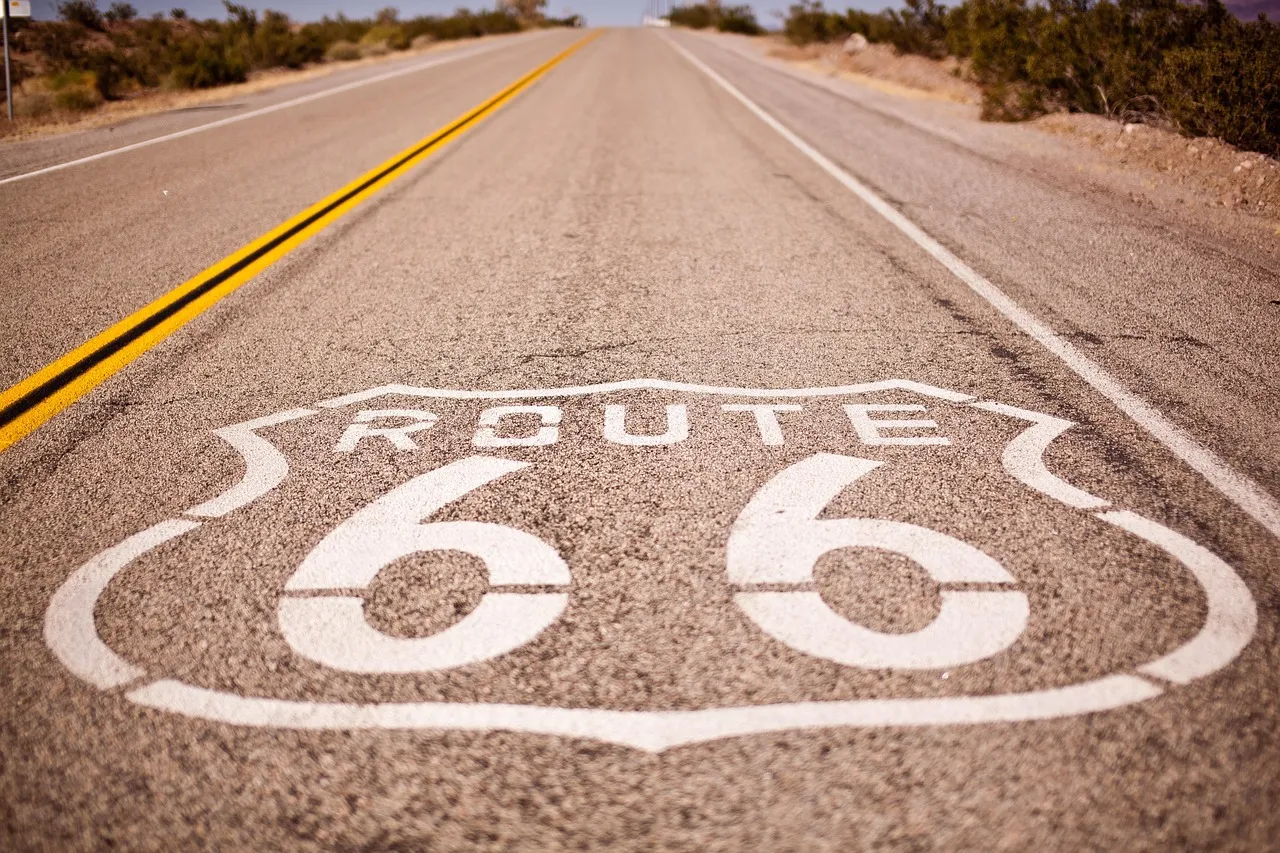
Today Route 66 is not a gleaming highway but a slightly faded, and therefore even more alluring, legend. There is cracked asphalt, sun-bleached neon signs, motels with “vacancy” signs, and gas stations where time seems to have forgotten itself. Yet this is precisely what makes it authentic. It is not a museum behind glass but a living memory that can still be driven along, touched, paused over, and listened to for the quiet echo of other people’s stories.
A modern companion for the road
If we imagine the modern hero of this road, it would not be a race winner or a lover of speed. It would be someone who knows how to stop and who values autonomy and silence. It is also someone for whom the car is an extension of the journey and of personal space.
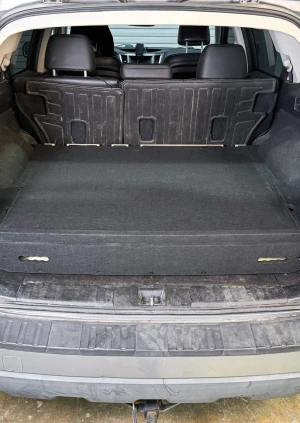
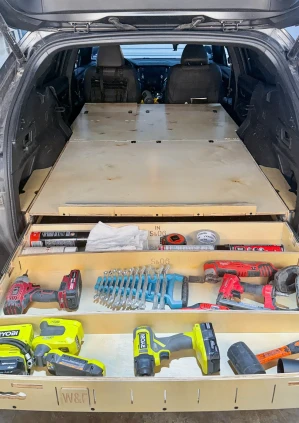
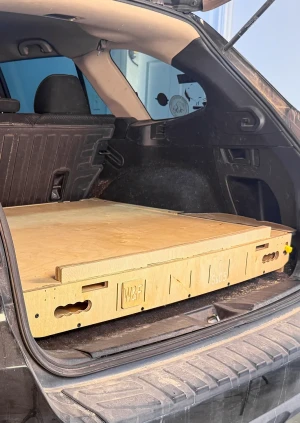
It is precisely this kind of companion that the Subaru Outback 4 becomes on Route 66, where thoughtful organization with the Subaru storage system allows you to think of nothing but the road, the sky, and the horizon ahead.
The car becomes a small world. In the morning, coffee by the lake. In the afternoon, the search for the perfect place to stop. In the evening, sleep under a sky full of stars. Everything you need is close at hand and neatly placed in the Subaru Outback storage system, where every item seems to know its place and does not disturb the harmony of the journey.
Tip: keep the most essential items within reach. Water, food, a blanket, a map. Place them so that you do not have to search every time. Plan overnight stops in advance, especially in popular areas. This will make the road easier and each day more comfortable and safer.
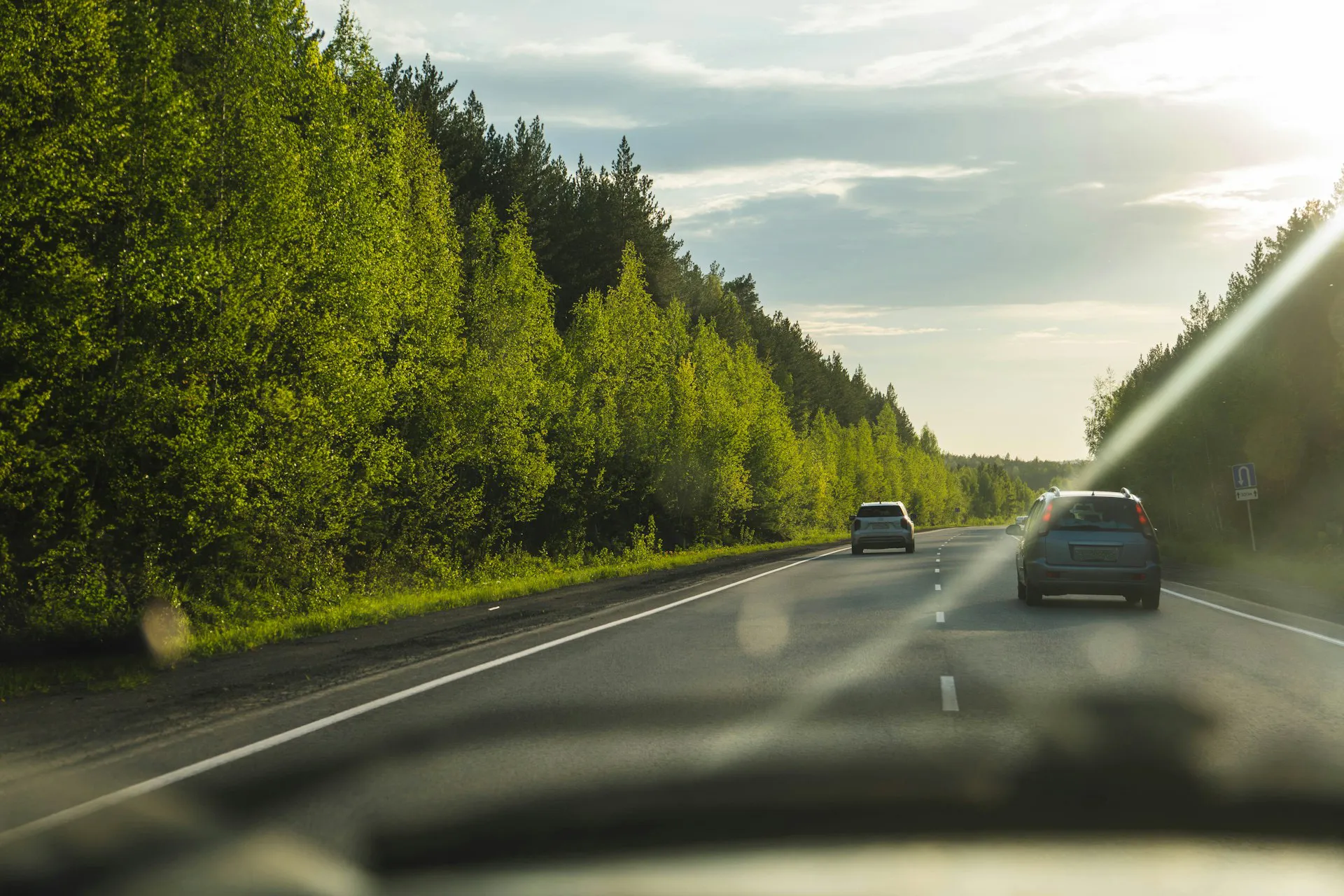
The philosophy of less and the freedom of space
On the road, a special philosophy reveals itself. The fewer things you carry, the more impressions and discoveries there are around you. There is no unnecessary clutter in the car, only silence, air, and an endless line of the horizon. The Subaru storage system delicately organizes the space so that the journey remains free and light. In conditions like these, the traveler notices the details and truly lives in the moment.
The taste of the road: simple food under the open sky
There is also the taste of the road. It is unlike anything else. It carries the scent of dust, grainy coffee, cool morning air, and sun-warmed metal. Sometimes it is just a can of preserved food and hot tea by the roadside. Sometimes it is an almost home-style dinner prepared in the open air with a car camping kitchen.
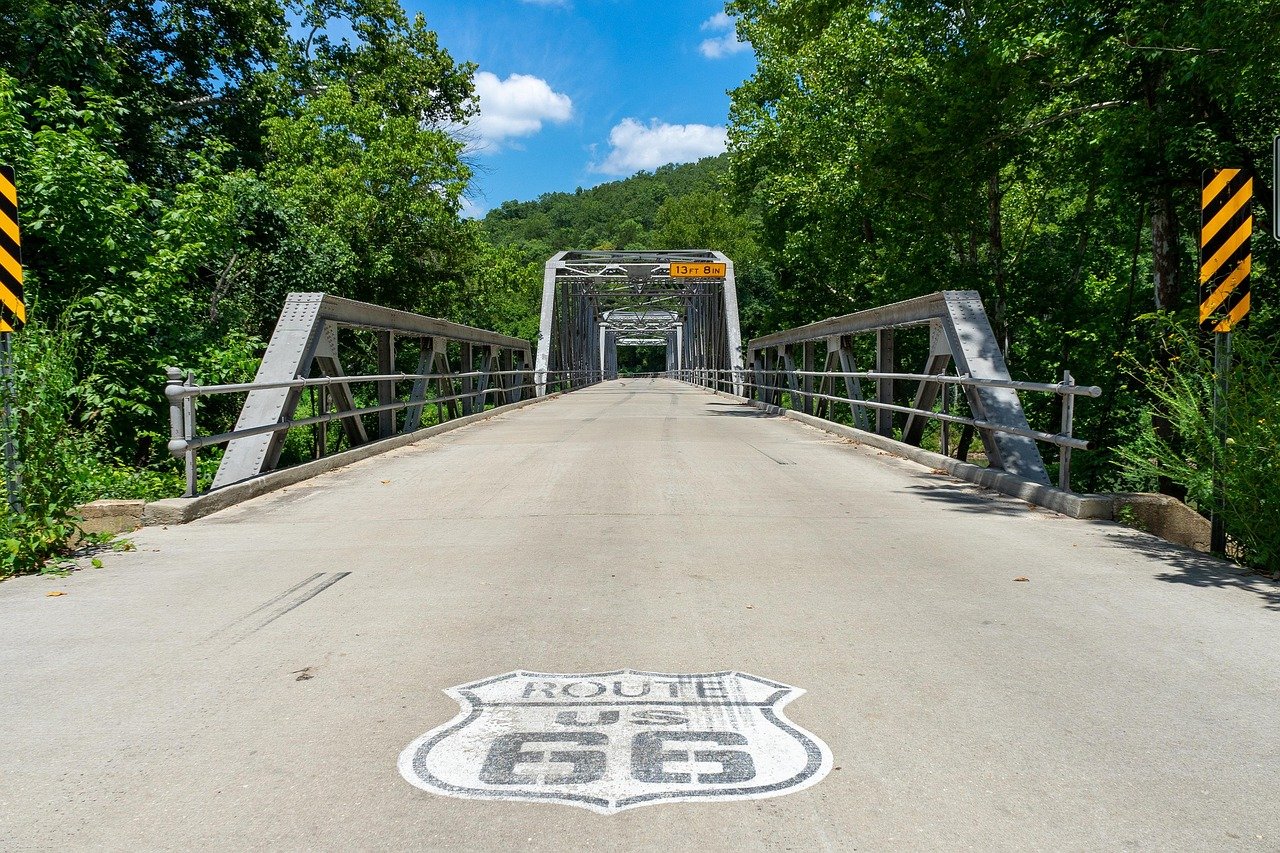
Today Route 66 is more than a road. It has become a symbol of freedom and an adventure that does not end with the last mile.