A Long Road Ahead: Is the Vehicle Ready for the Journey?
The road is measured in time, attention, and the load a vehicle can handle. Every long journey is a test of endurance for both the car and the driver.
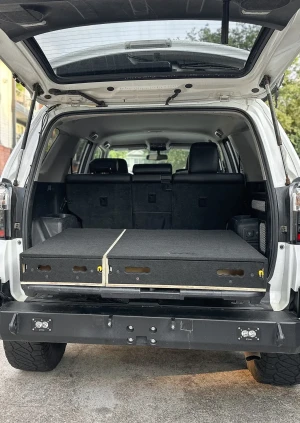
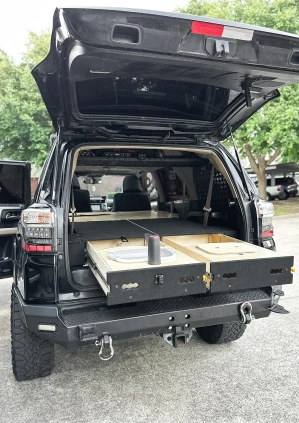
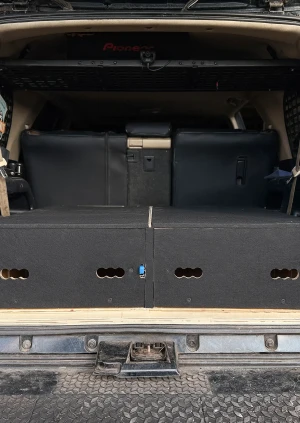
On this journey, the Toyota 4Runner becomes a true companion. In everyday rush, order in the car may seem trivial, but on long trips, the 4Runner storage system works like a quiet assistant: everything is in its place, without extra noise or shifting.

Subtle Vehicle Diagnostics
Every experienced driver knows that real preparation starts with a subtle understanding of how the car behaves on the road. Light vibrations, faint unusual noises, or slightly changed suspension response are signals that shouldn’t be ignored. They indicate where attention is needed and help prevent problems before they become noticeable.
Even a reliable vehicle like the Toyota 4Runner responds differently under prolonged stress. A fully loaded trunk shifts the center of gravity, making the vehicle slightly more sensitive to road imperfections. Passengers, especially multiple passengers, add dynamic load to the suspension. As a result, the car handles differently on tight turns and country roads than it does on an empty highway.
On rough terrain, these sensations are amplified: every dip, rock, or root is felt through the suspension. At these moments, it is particularly important to sense the balance between speed and safety, paying attention to steering response and vehicle stability.

The Road as a Stress Test
A long route is a real stress test for the vehicle. Different types of roads have different effects: a smooth highway preserves the car’s resources, while mountain passes challenge the suspension and steering system.
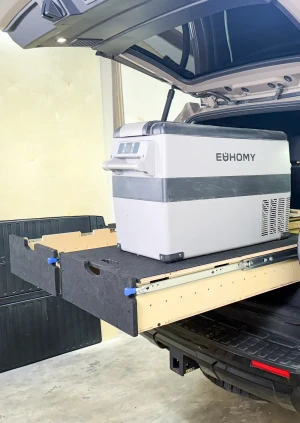
Electronics, cooling, and transmission all work under stress. On long trips, when the wheels cover hundreds of miles over varied surfaces, small details start to matter. At these moments, 4Runner camping accessories work almost unnoticed, as if the car itself helps maintain order. This allows focus on engine response, suspension behavior, every turn, and bump, without losing the rhythm of the drive.

Hidden Risks and Nuances
Sometimes the vehicle begins to behave differently: the wheels may “hop” slightly over small bumps, the engine responds a bit slower to the throttle, and the steering feels slightly stiffer in turns.
To reduce risks, it is important to:
• Regularly monitor engine and transmission temperatures, especially after long climbs. If readings exceed normal levels, take a break and let the car “rest.”
• Pay attention to the suspension: at the first signs of vibration or unusual noises, check the wheels, shocks, and mounts. Small deviations are easier to address early than to deal with a serious breakdown on the road.
• Check electronics and sensors: minor glitches sometimes signal the need for preventive maintenance or system reset. On long routes, it’s best to carry basic tools and diagnostic adapters.
• Distribute weight efficiently: proper organization of luggage reduces stress on the suspension and engine. Systematic storage using the 4Runner drawer system with compact compartments and pre-planned equipment placement helps with this.
If something does appear, don’t panic. Make a safe stop, assess the situation, reduce the load if necessary, and, if possible, consult the nearest service center.

Tips from Experienced Travelers
Long roads teach not to rush and not to overcomplicate things. Most practical solutions come from observation and over time turn into reliable travel habits.
• Vary your pace and take breaks before fatigue sets in
Long periods of driving in a single rhythm first exhaust the driver. Moderate changes in pace and short stops help maintain focus, reduce tension, and keep a stable driving rhythm. This approach makes the trip calmer, more predictable, and comfortable over long distances.
• Avoid overloading the same driving scenario
When the road allows, alternate between different surfaces and routes. Even a short exit from a highway onto a quiet secondary road can relieve accumulated stress on the driver.
• Keep the cabin organized
A well-arranged space allows for quicker responses to changes and helps maintain a sense of control.

When every detail is considered and attention is distributed wisely, the journey becomes a true Journey Through Time––safe, comfortable, and unforgettable.