How Early 20th-Century Motorwomen Changed the World
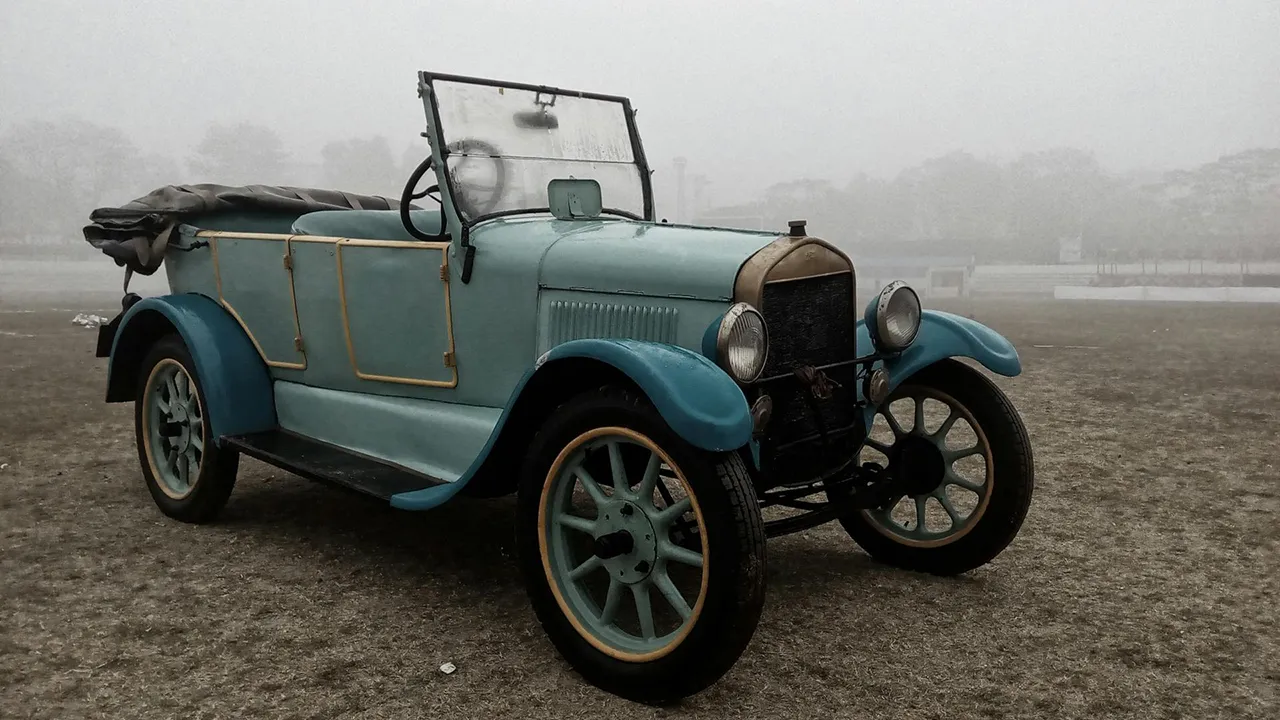
In the early 20th century, it was rare to see a woman behind the wheel on the streets of America. At the time, this seemed almost impossible to society. Yet the first motorwomen boldly embraced new opportunities. They learned to drive the newly available Ford Model T and other automobiles, often facing skepticism and ridicule. Newspapers highlighted their extraordinary determination, and the public increasingly began to see women drivers as true pioneers.
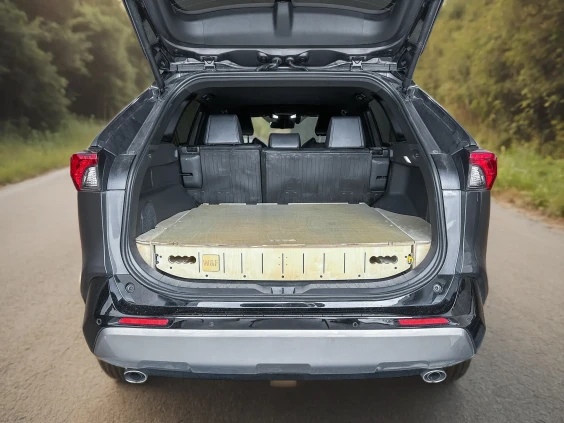
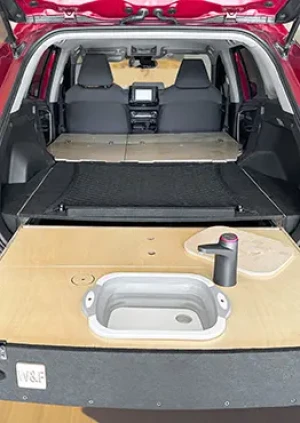
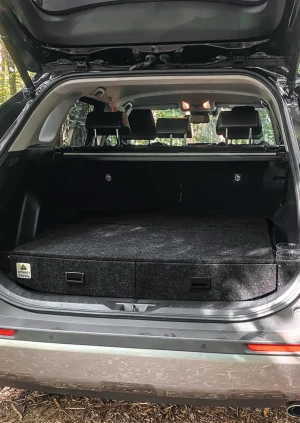
These women’s pursuit of comfort and practical organization in the car was as important as their courage. Today, this idea is recognizable in modern vehicles, such as the Toyota RAV4 with its spacious cargo area.

The First Motorwomen in America: Who They Were
The first American motorwomen came from a wide range of social backgrounds. Among them were aristocrats, ambitious college students, journalists, and city dwellers. They learned to drive, challenging the prevailing notion that automobiles were a man’s domain.
One of the most famous pioneers was Alice Huyler Ramsey, who in 1909 became the first woman in history to drive across America, from New York to San Francisco, in a Maxwell DA. The journey took nearly two months, and Ramsey described the difficulties in detail, from poor roads to bad weather. Her experience inspired other women to take the wheel.
Women and Motorsports in the United States
In addition to long-distance travel, some motorwomen participated in early 20th-century automotive competitions. One of the earliest known drivers, Eva Mudge, took part in demonstration races and vehicle trials, attracting media attention. In 1900, The Automobile magazine called her an “experienced motorist.”
During this period, women also took part in organized endurance runs. While records of individual races are not always complete, it is known that women drove routes between major cities, including New York and Philadelphia, demonstrating their skills on equal footing with men.
Their example inspired more women to take up driving. Public perception gradually changed: motorwomen not only drove cars but also developed their own approaches to safety, evaluated vehicle convenience, and learned to plan long journeys.
Practicality and Convenience for Women Travelers
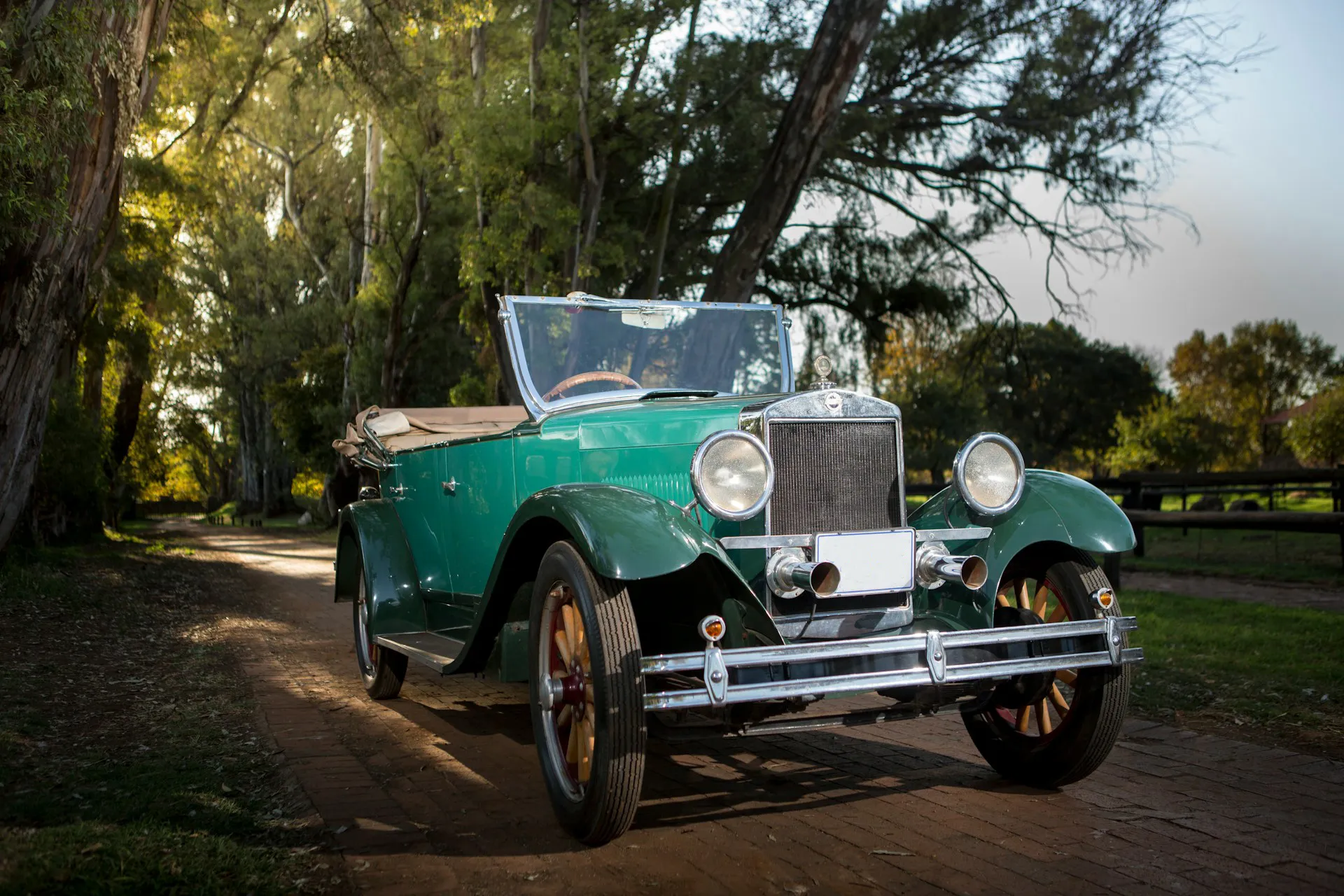
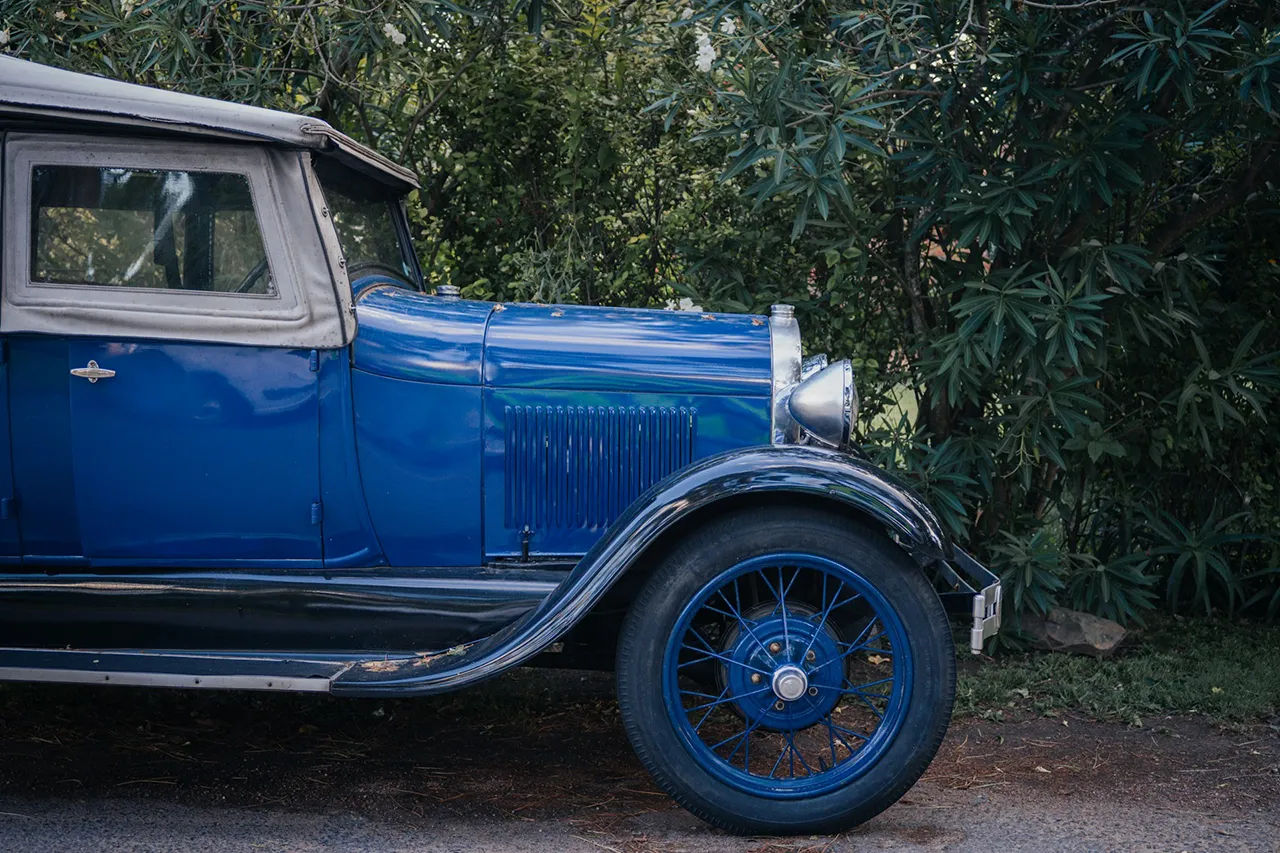
As the number of women drivers grew, practical questions arose: where to store belongings, how to protect against the weather, and how to make trips more comfortable. These concerns were particularly pressing since, until the 1910s, most cars were open, offering minimal protection from rain and wind.
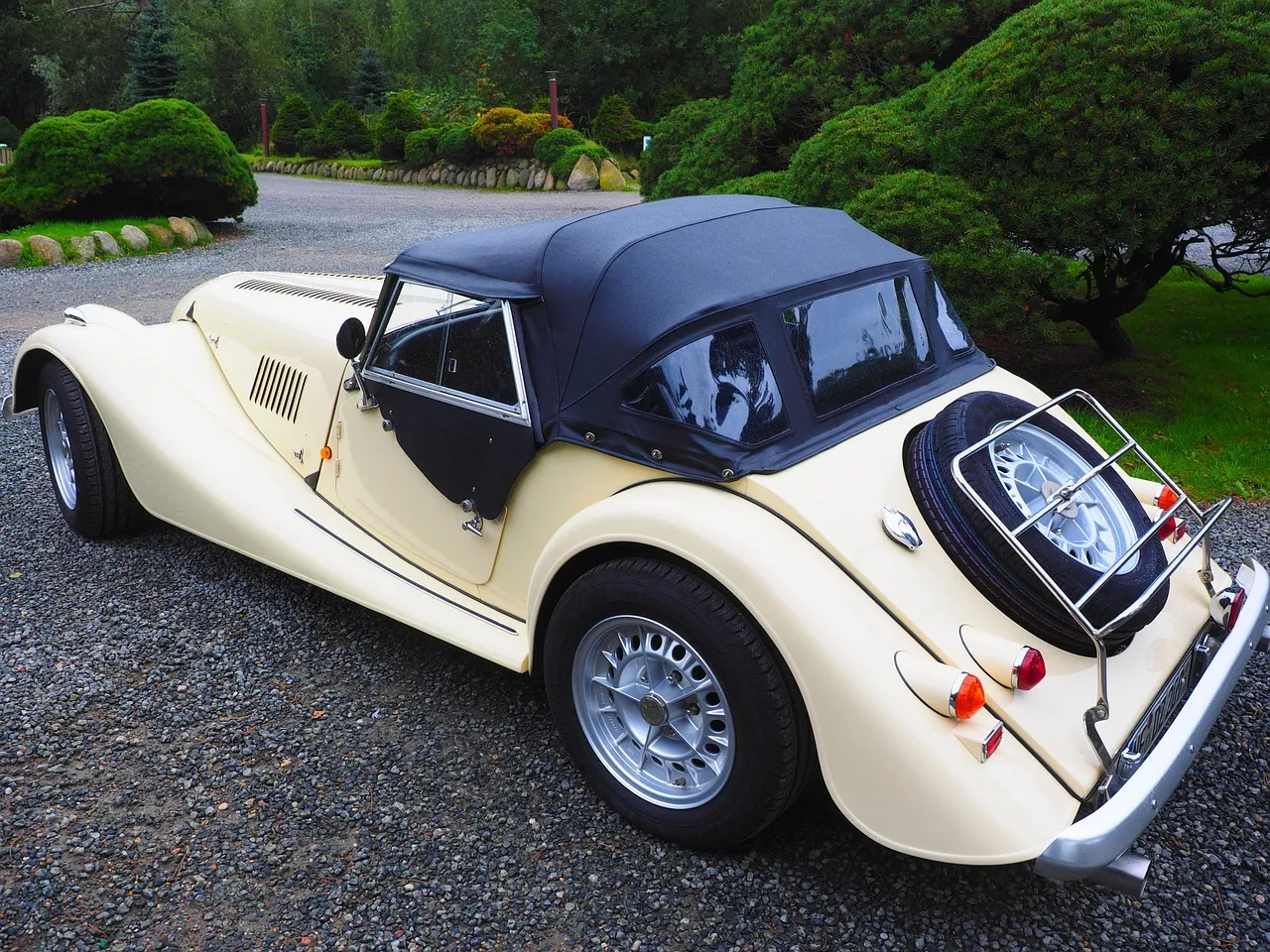
Manufacturers gradually improved touring car designs: canopies became sturdier, interiors more spacious, and by the 1910s and 1920s, enclosed bodies and separate luggage compartments became common. As a result, travel became increasingly comfortable.
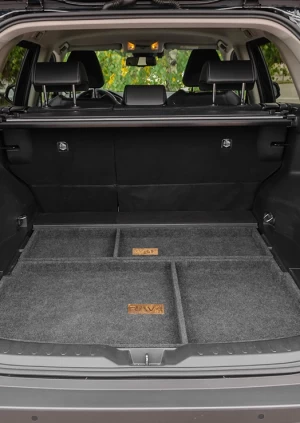
Modern storage solutions, from roomy trunks to SUV cargo drawers, continue this development, now as contemporary engineering solutions rooted in the same pursuit of convenience.
Motorwomen as Drivers of Infrastructure Progress
Many early 20th-century American women drivers actively participated in the Good Roads Movement, as documented by the National Association of Good Roads (NARG). The movement aimed to make roads safer and more convenient.
Women helped raise funds, supported automobile clubs, organized public initiatives, and wrote appeals to authorities. Their involvement played an important role in the growth of America’s road infrastructure.
From the First Motorwomen to Modern Comfort
The courage and perseverance of America’s first motorwomen laid the foundation for modern car culture. Their focus on safety, convenience, and carefully planned journeys contributed to the development of more functional vehicles.