From Motels to Camping: The Evolution of Road Trips
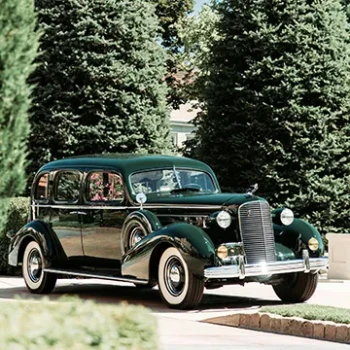
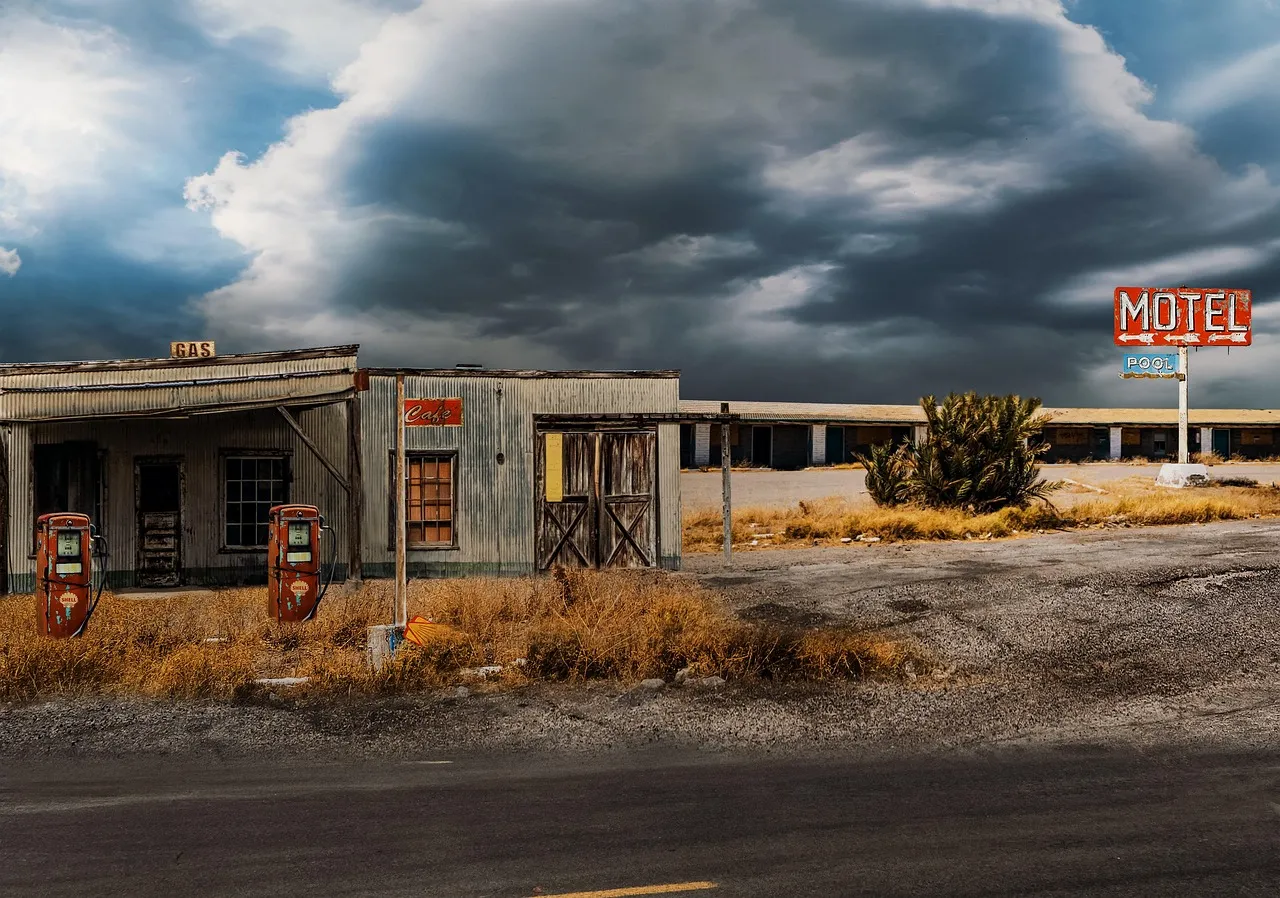
In the twentieth century, with the rise of the first mass road trips, a phenomenon emerged that we now call road tripping. The first milestone was the Milestone Mo-Tel, which opened on December 12, 1925. This first motel offered travelers parking right outside their room and a night’s stay for just $1.25. Its simplicity and convenience were revolutionary: for drivers at the time, it felt like true freedom.
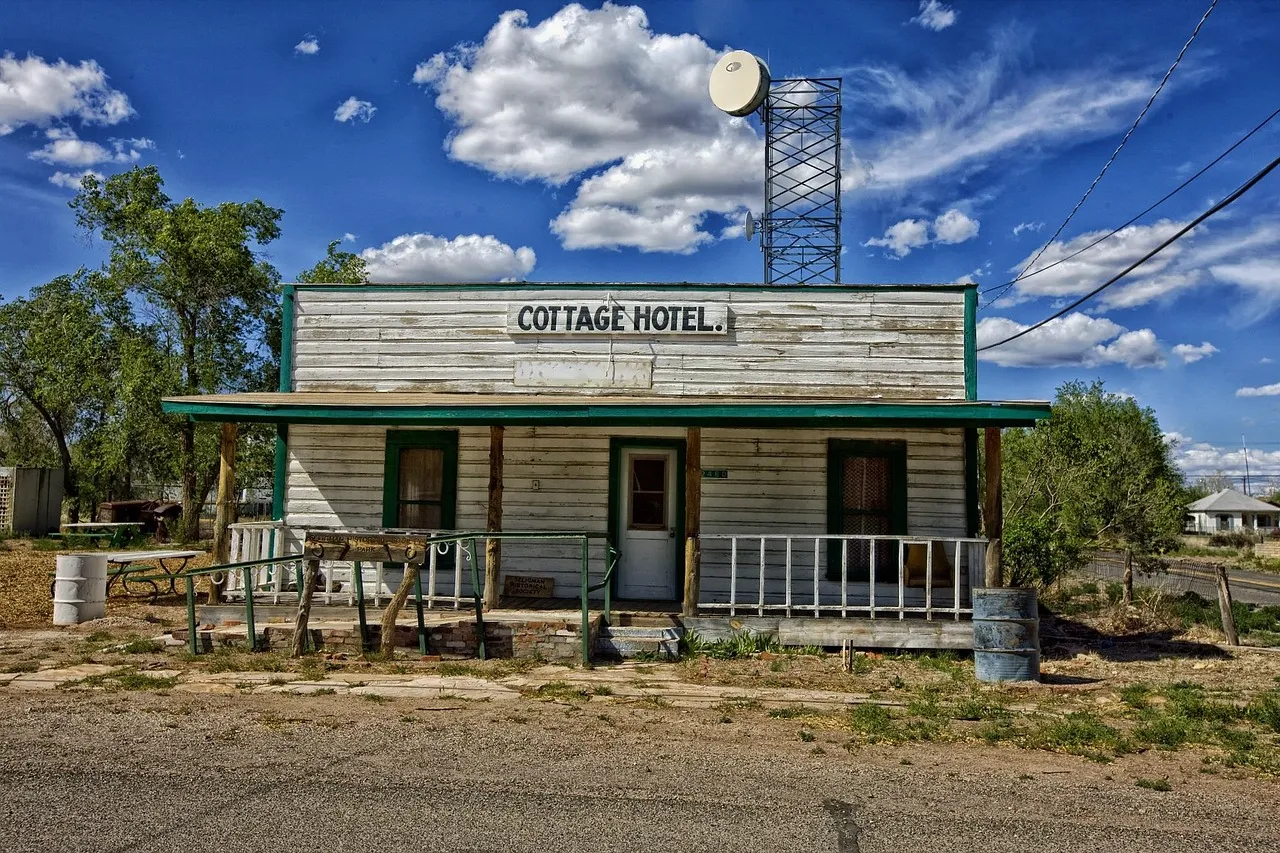
Before motels, there were auto camps, tourist camps, and cottage courts. Travelers sometimes stopped directly in nature, in tents or even in their cars, especially when the route passed through deserts or sparsely populated areas. These conditions were far from universal, but they allowed those willing to embrace adventure to discover the country in a new way.
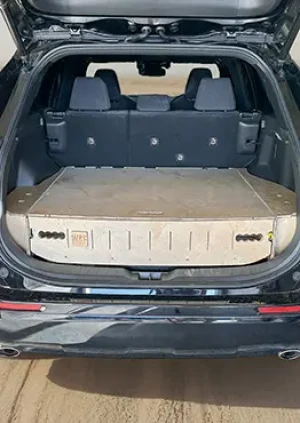
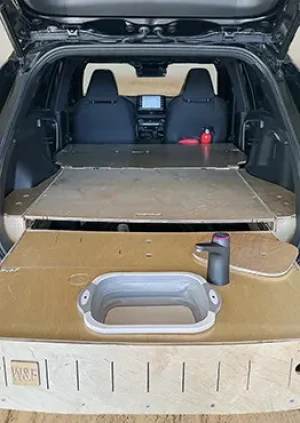
Today, travelers prioritize comfort and thoughtful planning. For example, Toyota RAV4 accessories make every trip more convenient and safe.
The Golden Age of Motels
As car culture grew, motels rapidly expanded. By 1964, there were around 61,000 motels across the United States. It was a true golden age of the highways: every family could take a vacation without worrying about finding a place to stay. Motels became a symbol of the American road. Simple yet functional, they allowed people to plan long trips and explore the country without sacrificing comfort. At the same time, they gradually replaced cabin camps and smaller tourist camps, becoming the standard for road travel.
The Rise of Car Camping
At the same time, another branch of road tripping was developing: car camping. The US Forest Service began developing federal campgrounds as early as 1916, and by the 1920s, both scale and funding had grown significantly, giving travelers the opportunity to stay in well-equipped spots in nature.
By 1938, there were 3,587 campgrounds visited by around 3 million people each year, and by 1952, visits had risen to 4.5 million. Car camping allowed people to get closer to nature, plan their routes independently, and spend time outdoors.
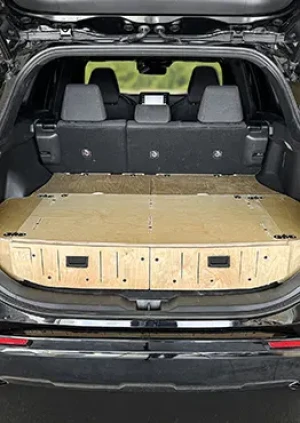
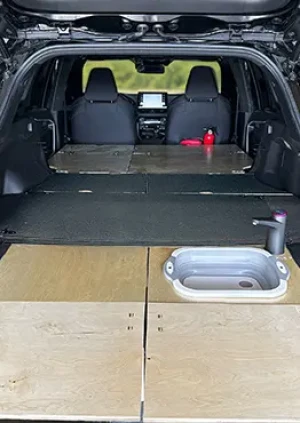
Today, this approach continues to evolve. Nature lovers and road trip enthusiasts can rely on RAV4 camping accessories to enjoy a comfortable stay right in the car.
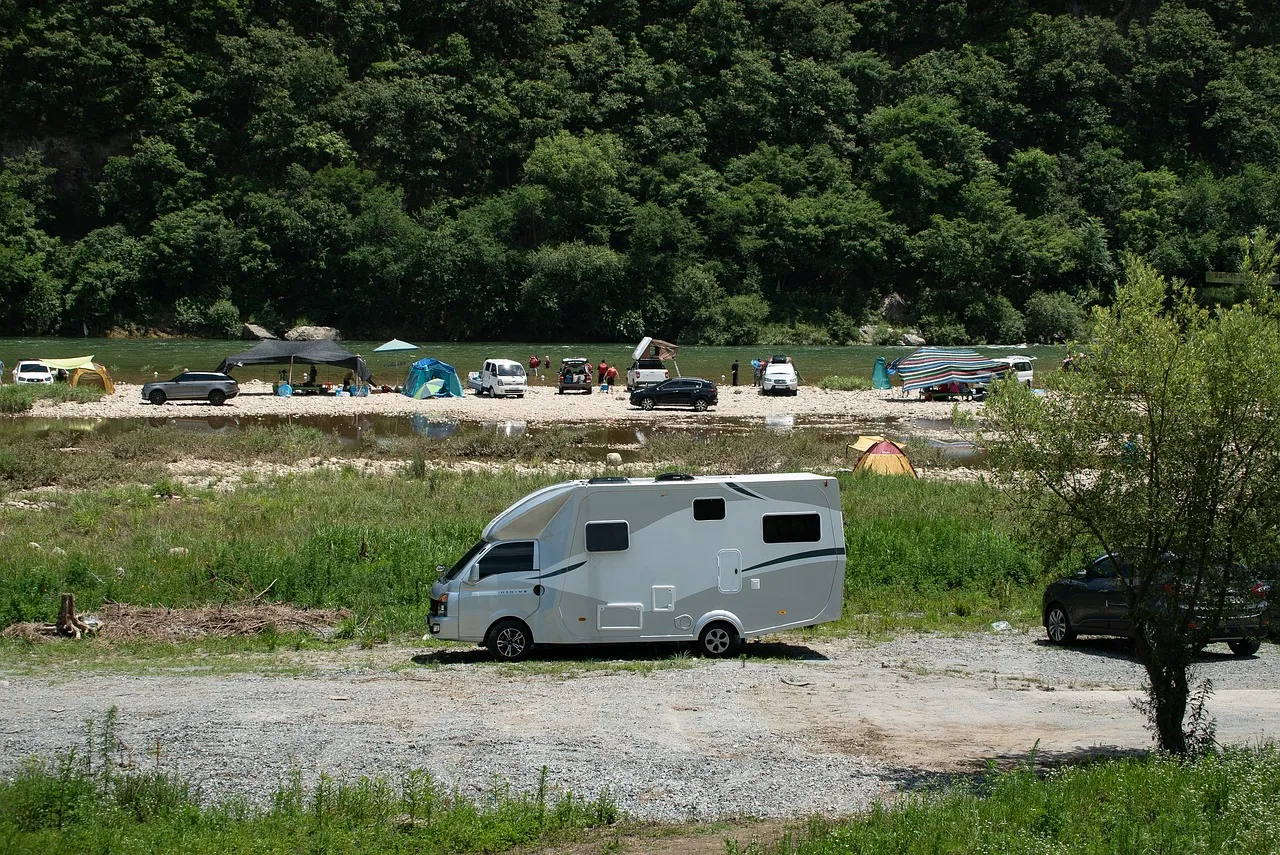
Modern Road Tripping
In the twenty-first century, car camping is experiencing a resurgence. According to 2021 data, about 57 million American households take at least one road trip per year. Camping accounts for roughly 32–40% of all leisure trips.
Modern crossovers combine the freedom of travel with safety and convenience. Thanks to Toyota RAV4 storage accessories, belongings can be stored efficiently and compactly. Even if the route changes on the fly, the backpack, map, and flashlight are always within reach, making the trip more organized and comfortable.

From Motels to Mobile Freedom
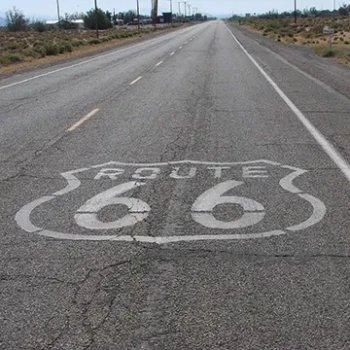
Today, road tripping in the U.S. reflects two parallel paths: motels and car camping. The former represents comfort and consistency, the latter freedom and closeness to nature. Together, they create a remarkable balance between stability and adventure. And although the roads have changed and cars have become more advanced, the spirit of the American road trip remains the same: exploring the country on your own terms, discovering new places, and finding joy in the journey.