The History of Early Road Trips in the United States
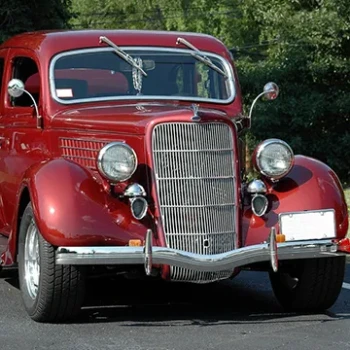
In the early 20th century, the automobile was more than just a new way to get around. Travelers used it to rediscover America, turning every trip into a small adventure. Roads were often unpaved, maps sometimes unreliable, and a journey of several hundred miles could become a true adventure.
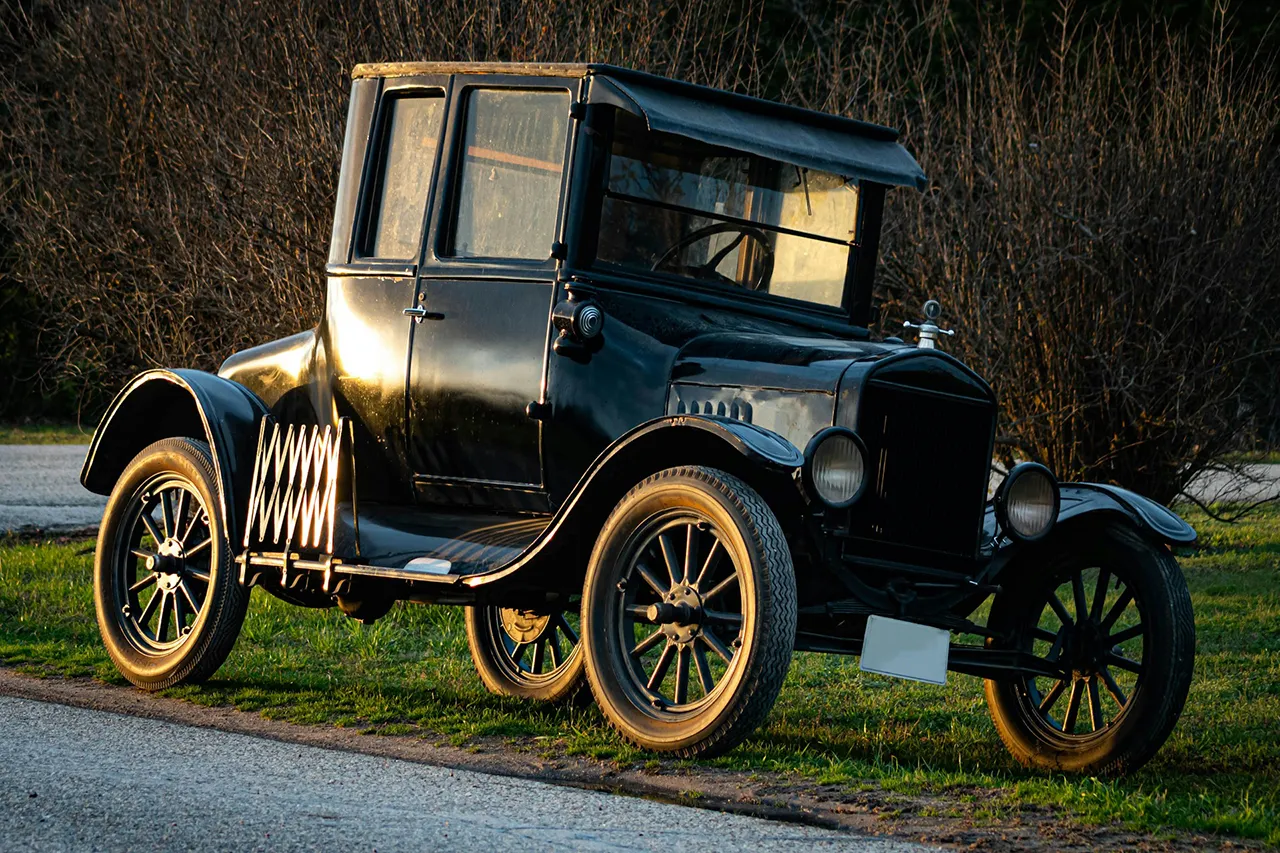
The first road trips in the United States became symbols of freedom, courage, and curiosity. Enthusiasts would climb into their cars and drive across the continent to see cities, mountains, and coastlines with their own eyes. Among the most famous early travelers were Horatio Nelson Jackson and Sewall K. Crocker, who completed the first documented coast-to-coast trip in 1903. Alice Huyler Ramsey also stands out, becoming in 1909 the first woman to drive across the United States.
While those early trips tested the bravery of travelers, modern vehicles make the journey more comfortable without taking away its sense of adventure. For example, many people choose the Nissan Pathfinder for camping trips, a reliable companion on the road.
Challenges and Early Routes
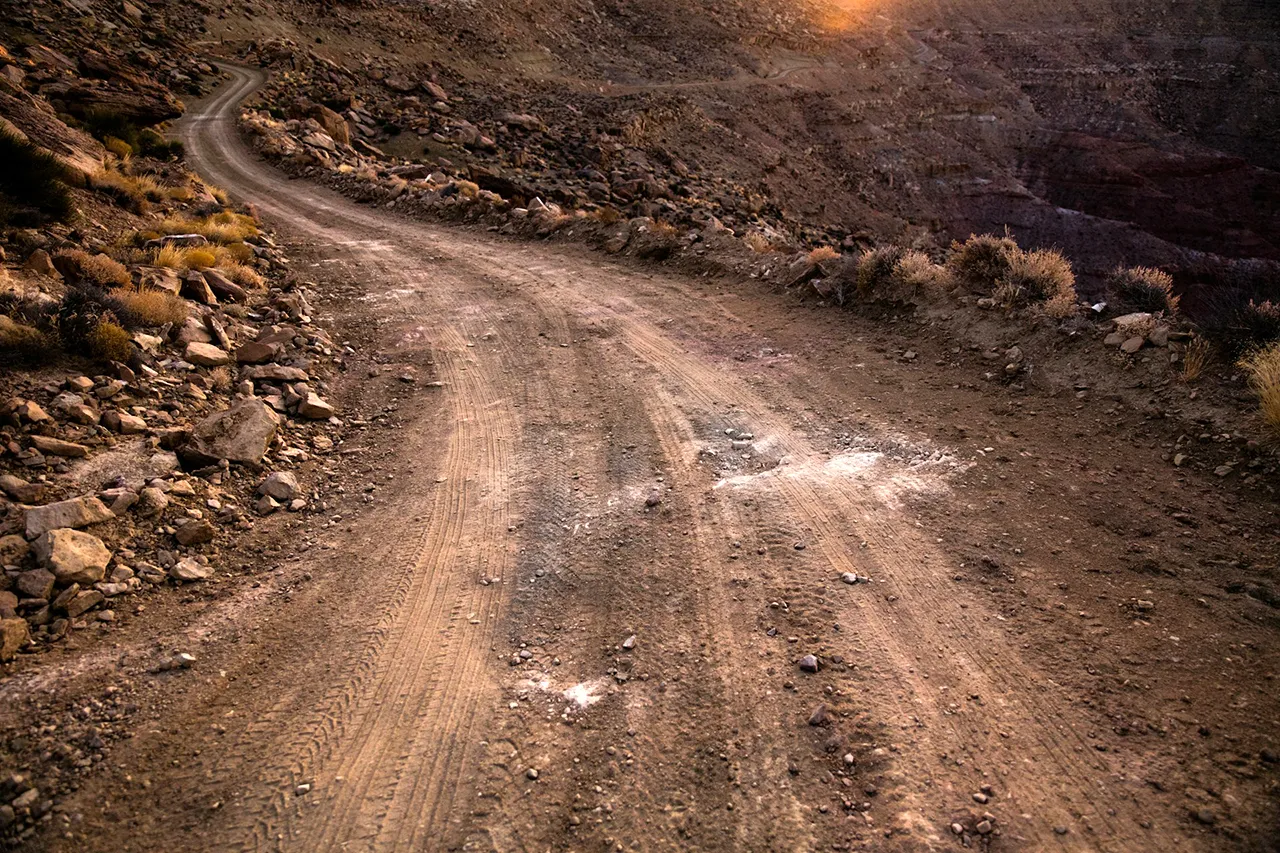
The first routes were full of challenges. Dirt roads often turned into muddy quagmires after rain. Maps were inaccurate, and gas stations were rare. Travelers stayed overnight in roadside motels.
Each new journey required careful planning and patience. But these difficulties made the road special, giving every trip a sense of discovery. Pioneers like Horatio Jackson, Sewall K. Crocker, and Alice Ramsey covered hundreds of miles a day, testing both their cars and their endurance.
A notable fact: legendary highways like the future Route 66 were developed much later, decades after these first road trips. Route 66 was officially established in 1926.
The Formation of Travel Culture
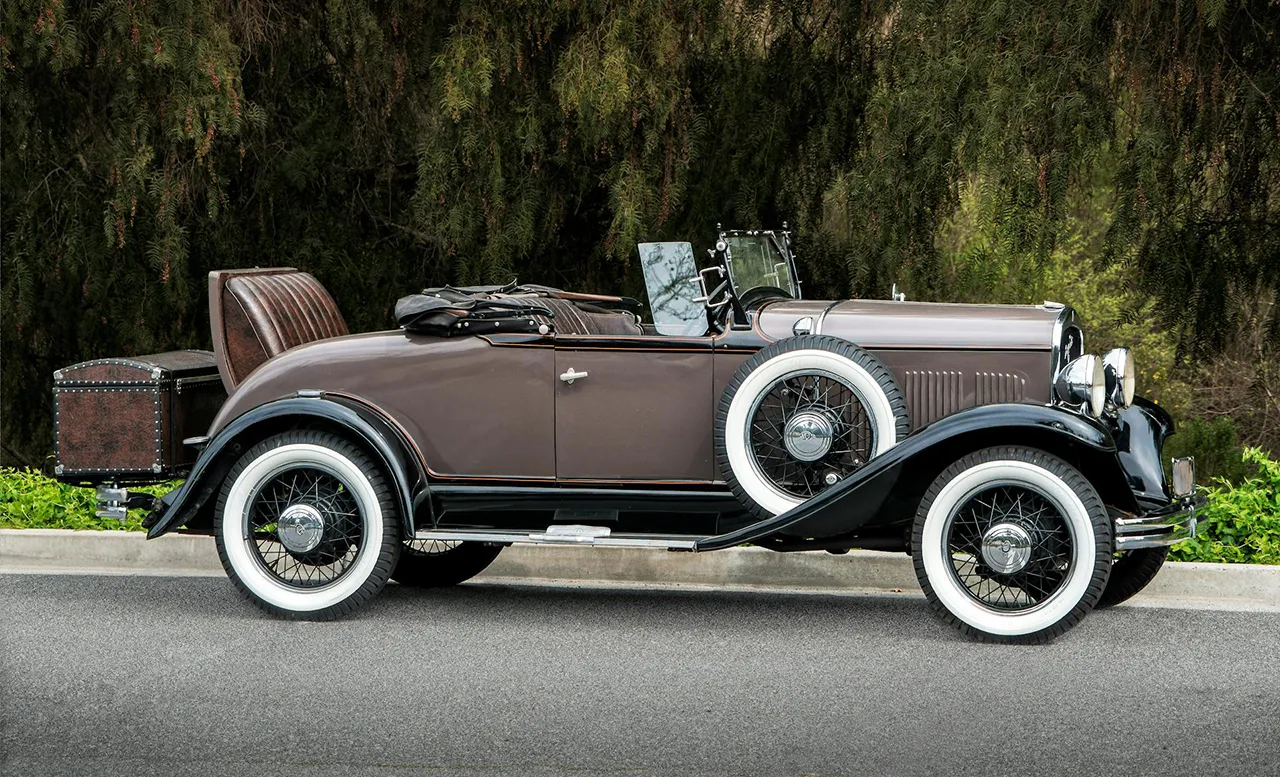
Road trip culture developed gradually. Roads connected towns and villages, motels became the first places for travelers to rest, and photographs and journals captured life on the open road.
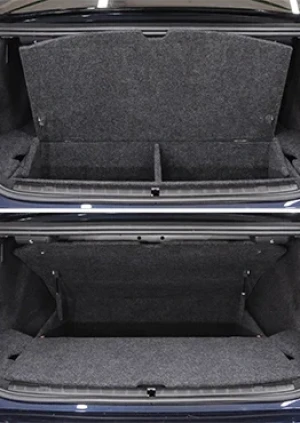
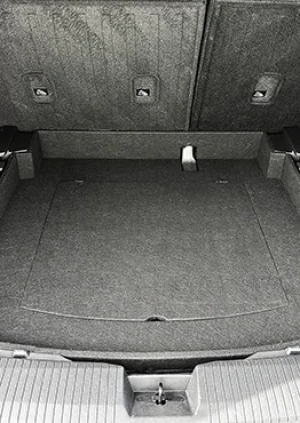
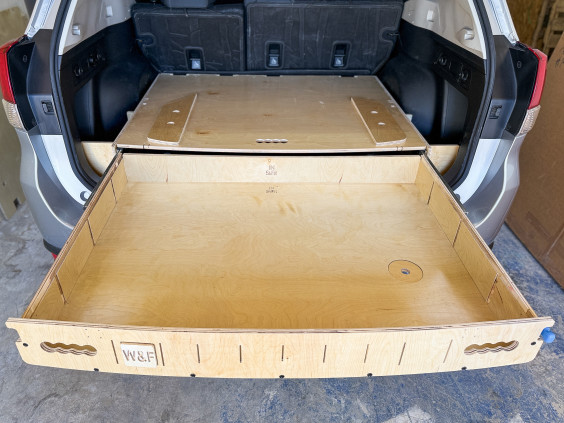
Over time, people began to focus on comfort and efficient organization of their belongings. Modern campers often use SUV storage drawers to keep items compact and accessible, saving time and energy for the actual travel.
Modern Road Trips and Camping
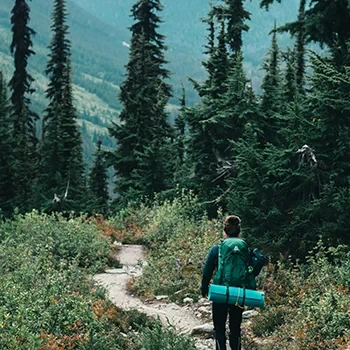
Today, road trips are not just about the journey—they are also about experiencing life in nature. Camping has become a natural extension of the tradition of traveling by car. People bring everything they need: a mobile kitchen, sleeping platforms, clothes, cookware, first-aid kits, and more.
With camping storage systems, organizing gear has become thoughtful and convenient. Pull-out drawers, extra compartments, and side pockets for small equipment help keep everything in order. This allows travelers to focus on experiences, relaxation, and connecting with nature.
Lessons and Legacy of Early Enthusiasts
The first road trip pioneers showed that the road is not just a path between points on a map, but an opportunity to discover oneself. Today, camping enthusiasts continue this tradition, using modern technology and equipment while keeping the spirit of adventure alive—the same spirit that made the earliest journeys so extraordinary.