America on Wheels in the Era of the Great Depression
In the 1930s, America was held in the grip of the Great Depression. Banks collapsed, farms stood empty, and families found themselves on the edge of survival overnight. Under these conditions, the automobile turned into a temporary home and refuge. People slept in it, rested in it, and stored their few belongings there. It became the only personal and protected space they had. Along the dusty stretches of Route 66 and other federal highways, families transported everything that had any value and might be useful. The road became the only point of stability when familiar walls and a roof disappeared.
Today, this is known thanks to the Farm Security Administration, or FSA, a U.S. government agency created as part of the New Deal program. The FSA assisted farmers and migrants who suffered from the Great Depression and the Dust Bowl and also hired photographers and journalists to document their lives. These photographs and reports preserved a living image of the era: exhausted families, overloaded cars, and faces directed toward the distance, where hope for a new life might be hiding.
Why the automobile
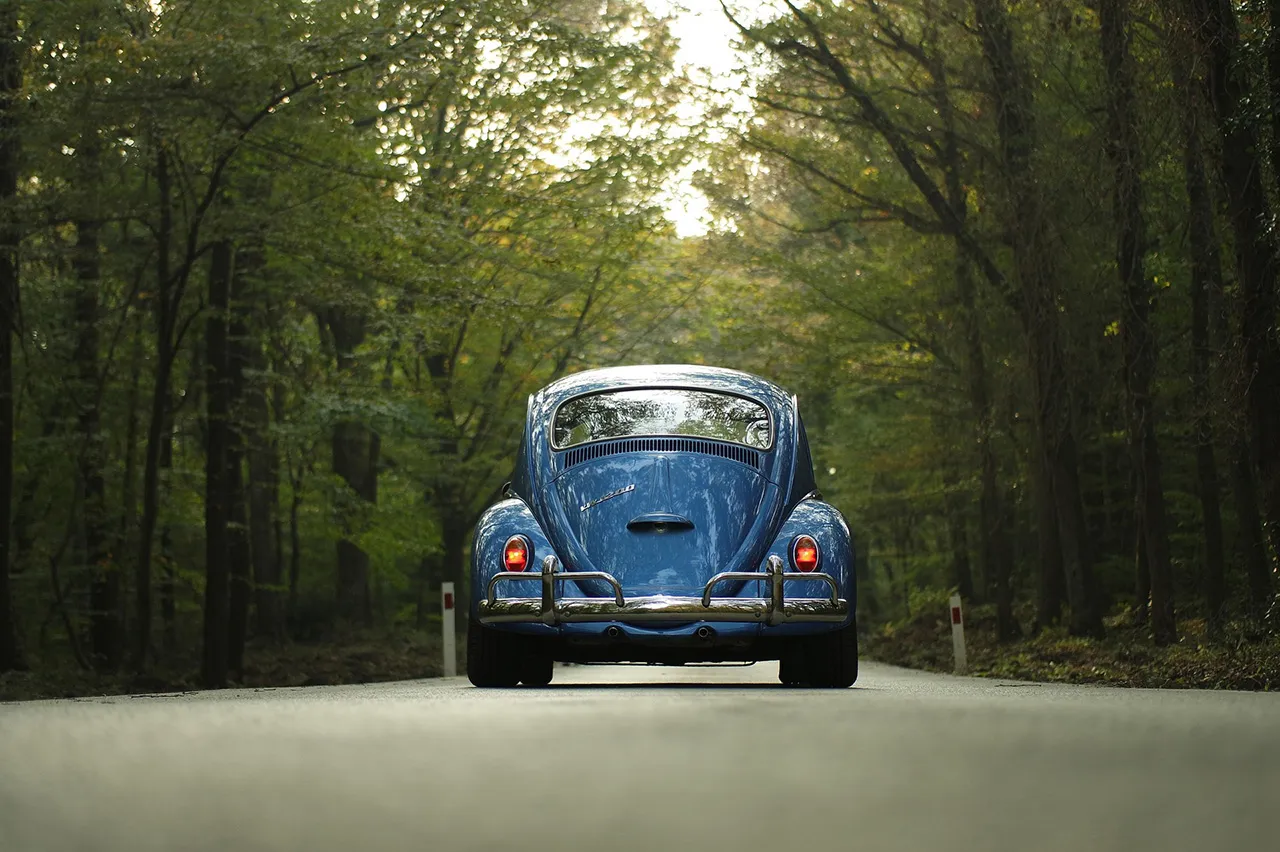
Travel by car was a forced necessity. Trains and buses were often overcrowded or unavailable, while a personal car, even an old and worn one, offered the rare ability at that time to choose one’s own direction, pace of movement, and places to stop. Travelers moved west to California or north, where they hoped to find work in industrial centers. Highways turned from ordinary roads into the lifelines of the country.
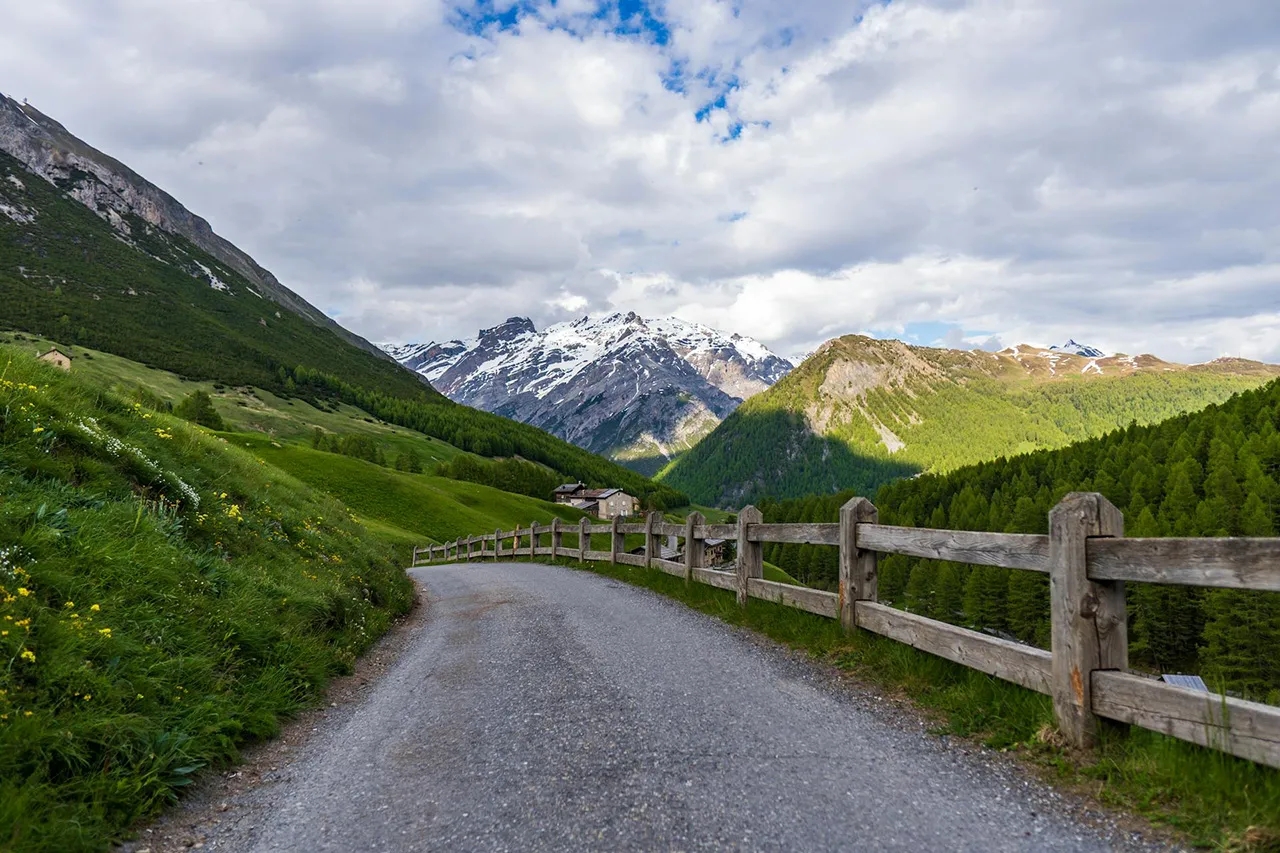
Routes that are now considered historic were then lines of survival. Route 66, federal roads, and small rural paths connected farms and towns, abandoned areas, and industrial zones. Every mile was a challenge, but also a rare chance to change one’s fate.
A home on wheels
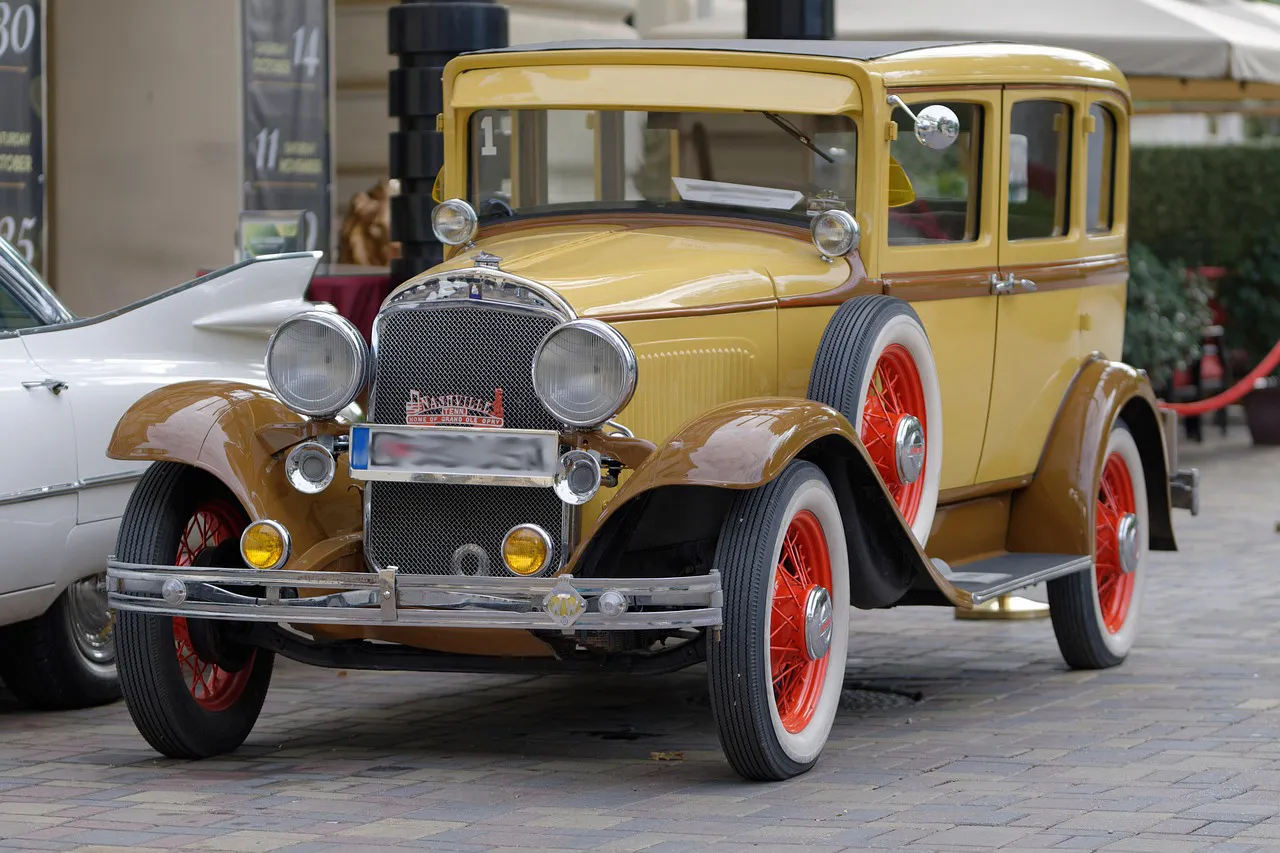
Cars turned into compact mobile shelters. Inside, people arranged improvised sleeping spaces, basic storage systems, and small work surfaces for cooking or repair. Sometimes children slept directly on bundles of clothing and blankets placed between suitcases. All of this served one purpose: to help the family survive.
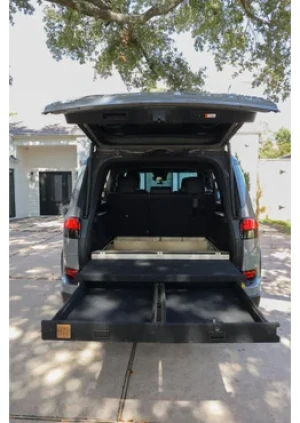
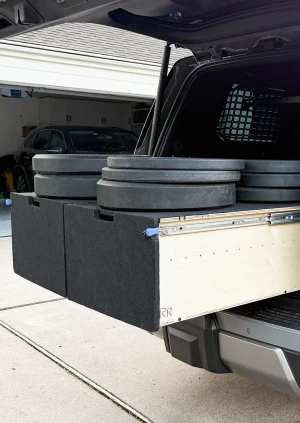
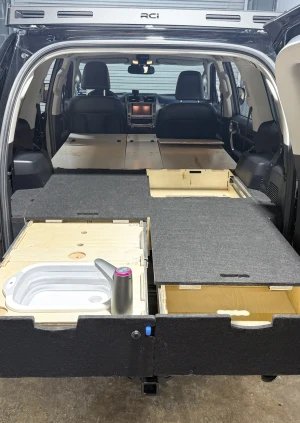
Migrants created their own systems for storage and organization inside the car, using boards, crates, and whatever materials they had at hand. Everything was as compact and thoughtful as possible so that every item was within reach. This same principle still exists today, for example, in modern drawer system Lexus GX550. The logic has remained the same: everything in its place and ready for use at any moment.
Food and daily organization
People cooked over open fires and portable burners and used old pots. In migrant camps, communal kitchens were sometimes organized: someone brought ingredients, someone made simple soup, and someone helped bake bread. In these temporary communities, a real sense of mutual support emerged, vital in conditions of constant uncertainty.
Over time, this practice evolved into the modern concept of a pull out camp kitchen, a compact, convenient, and mobile system for preparing food on the road. It follows the same principle of self-sufficiency that helped people survive decades ago.
Road economy and infrastructure
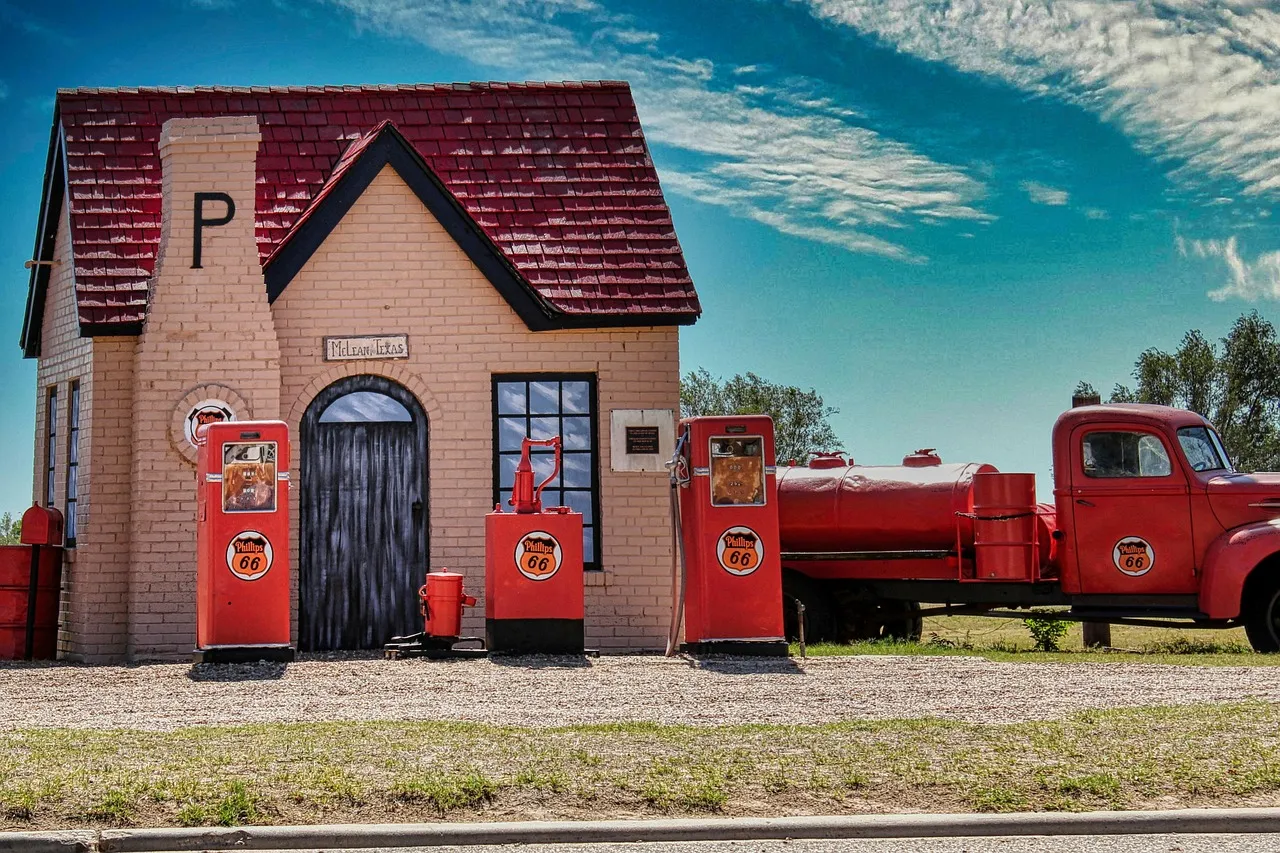
The road gave rise to new centers of life. Gas stations, roadside shops, and repair workshops appeared, where travelers could buy fuel, fix a car, or grab a simple meal. Temporary settlements and camps sprang up along the highways, gradually forming their own small systems of trade and services, chaotic but remarkably resilient.
This spontaneous infrastructure became the precursor to the future motels, campgrounds, and service areas without which any long journey on American roads is now impossible to imagine.
Breakdowns and repairs
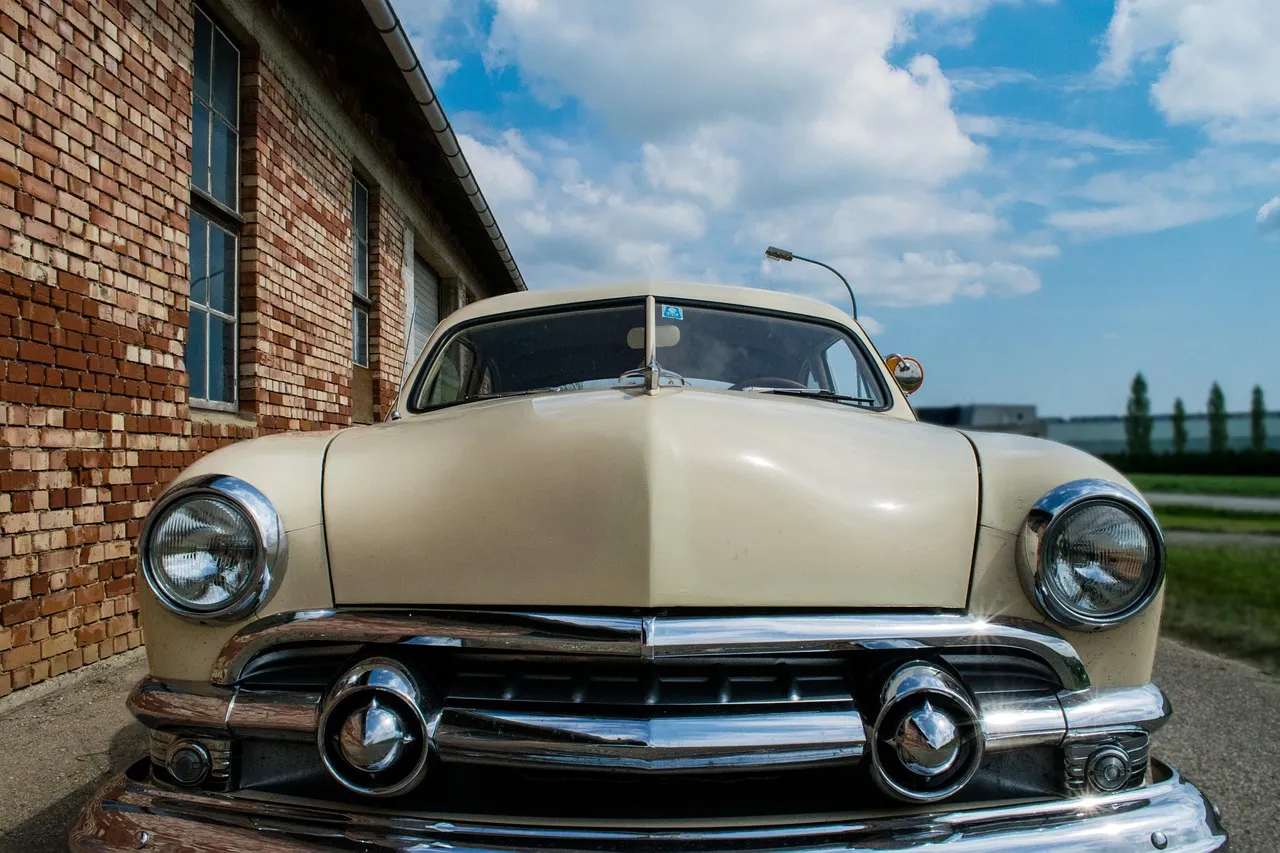
Cars broke down often, and roadside services were not always available. In these conditions, people helped one another: they lent tools, shared parts, and suggested how to fix a problem.
Today, the same practical logic is built into modern vehicles. In an SUV, thoughtfully designed pull out storage makes it possible to store tools and essential items conveniently, providing quick access and saving space. In essence, it is the same approach used by migrants, only at a new technological level.
A new geography and population redistribution
Migration changed the very map of the country. Cities of the West and North experienced serious pressure from the influx of newcomers, and new economic centers began to form. Previously deserted or sparsely populated areas started to come to life, with temporary settlements and small communities emerging. Every movement along the roads influenced the future shape of the United States.
In fact, it was these endless lines of cars and camps along the highways that laid the foundation for the future redistribution of the population and the development of entire regions.
Legacy and modern connection
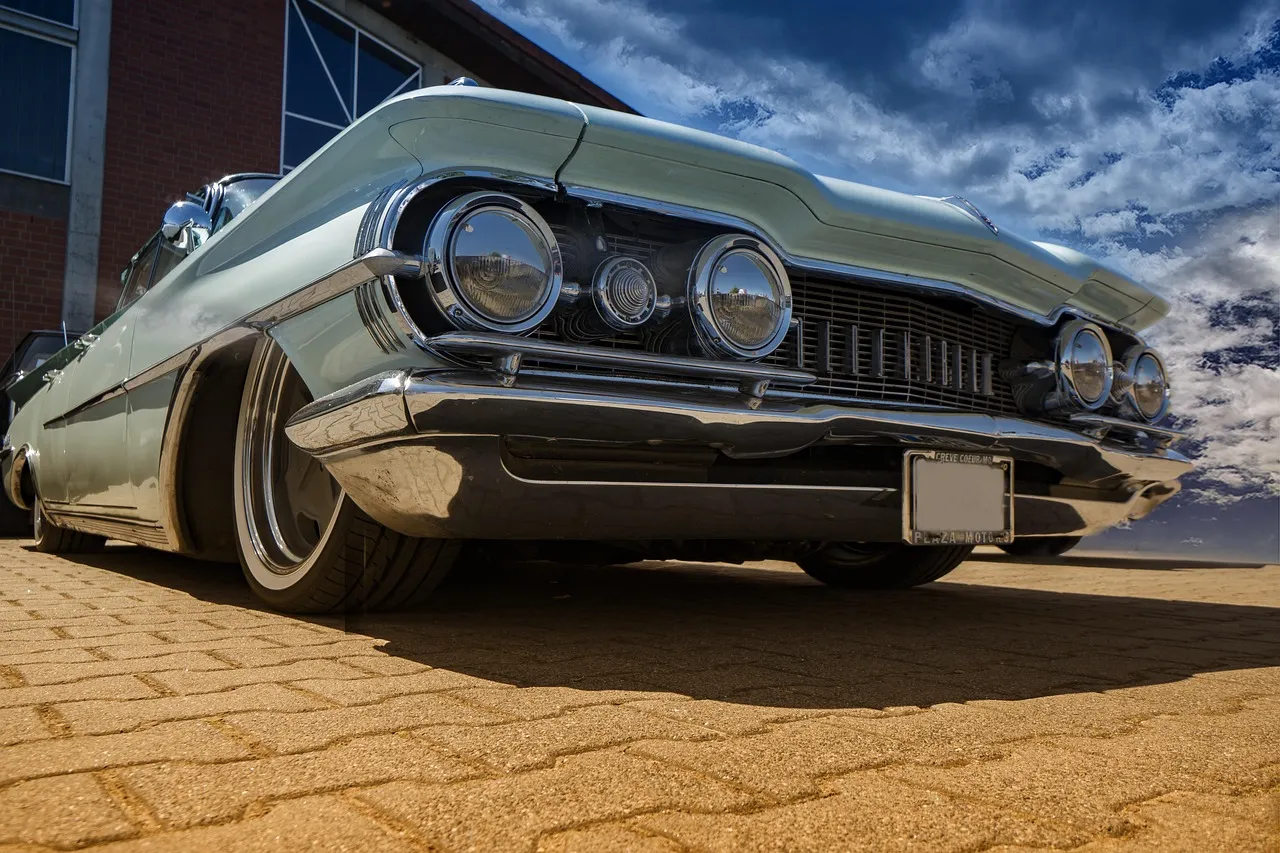
Automotive journeys of the Great Depression era left a deep mark on American culture. They became the basis for the emergence of motor lodges, campgrounds, the development of road infrastructure, and even modern overlanding practices. What was once a desperate measure for survival has now become a conscious choice, a form of freedom and a way to explore the world.
And perhaps that is why we are still drawn to the road, to a place where familiar walls are gone, but movement, open space, and hope for a new beginning remain.