From Retro to Futurism: The Petersen Automotive Museum
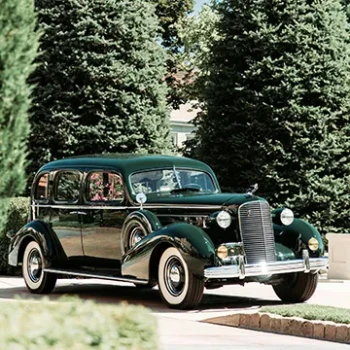
From the first steps inside the Petersen Automotive Museum, you feel immersed in the history of the automobile. The creak of old doors, the shine of chrome, and the scent of polished leather seem to return you to a time when cars were rare and every detail was crafted by hand.
The exhibition moves from classics with soft lines to avant garde concept cars, offering a glimpse into the future of automotive design.
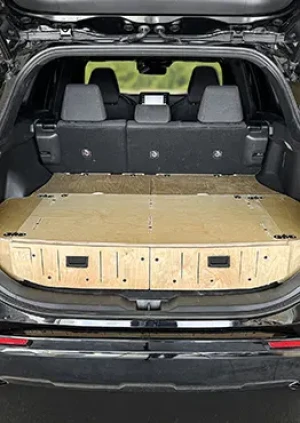
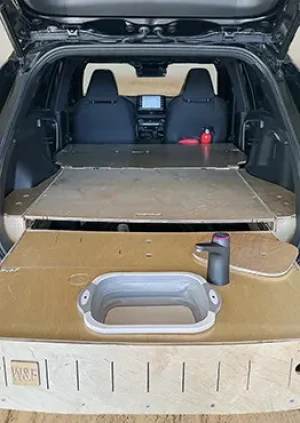
Modern vehicles continue this evolution. For example, Toyota RAV4 shows how driver habits and expectations for convenience are changing. For example, RAV4 storage accessories reflect the same attention to practicality that has developed over decades.
The history of the museum from department store to architectural landmark
The building that now houses the Petersen Automotive Museum has undergone a remarkable transformation. It began as a traditional department store, later became office space, and in 1994 opened as an automotive museum. It was founded by Robert Petersen, a collector and publisher who wanted to create a place where each automobile would tell the story of its era, culture, and technology.
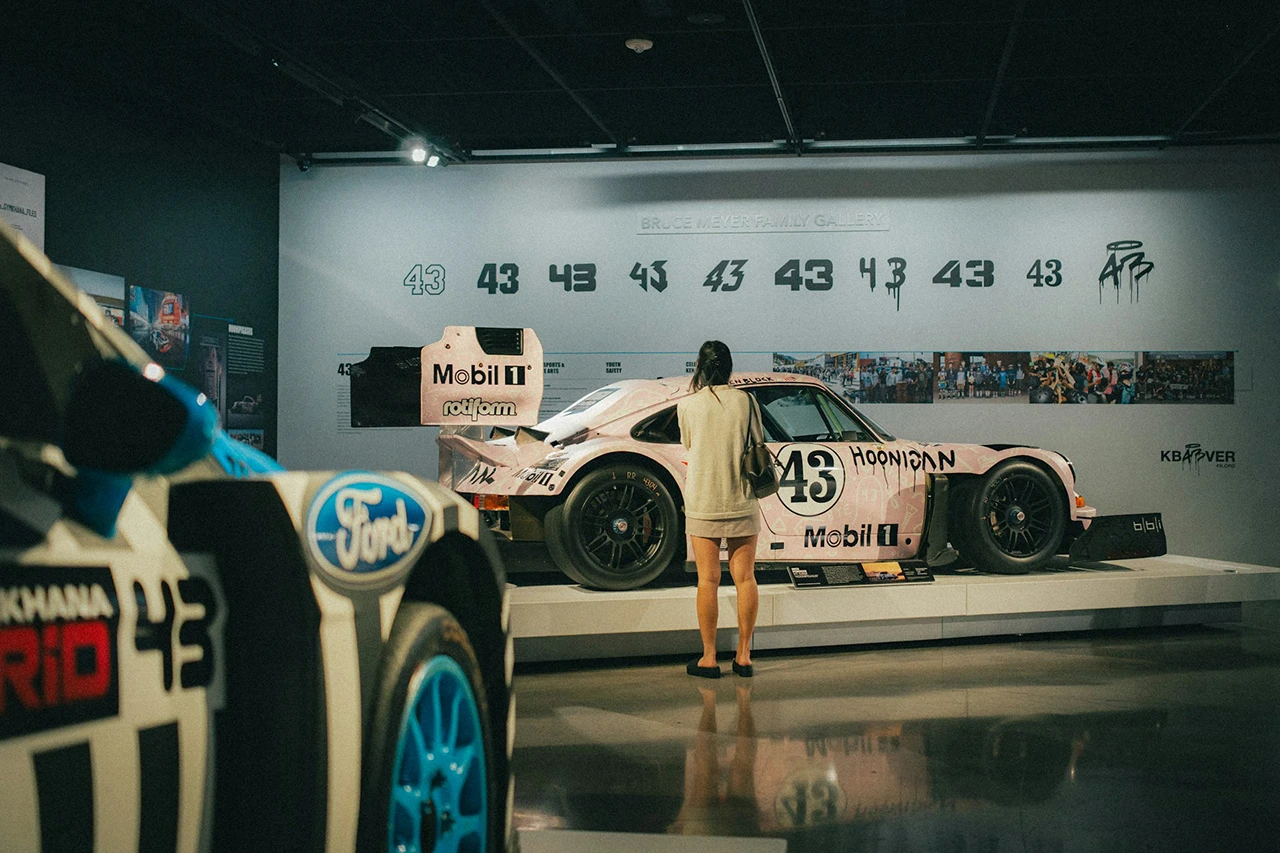
The collection grew over the years. At first it featured classic models, rare sports cars, and vintage automobiles, but soon the museum began acquiring concept cars, historic prototypes, and vehicles from films, turning the exhibition into a true chronotope of automotive art.
The 2015 renovation made the museum a contemporary symbol of Los Angeles. Metallic ribbons across the facade create the illusion of motion, as if the building is accelerating along with the cars inside. Here, the architecture itself became part of the exhibition, setting the rhythm and atmosphere for each collection.
Today the museum not only preserves history, but presents it by combining classic and futuristic visions, tradition and experimentation, transforming a visit into an engaging immersion in the evolution of automotive design.
Collections through the eyes of an art historian
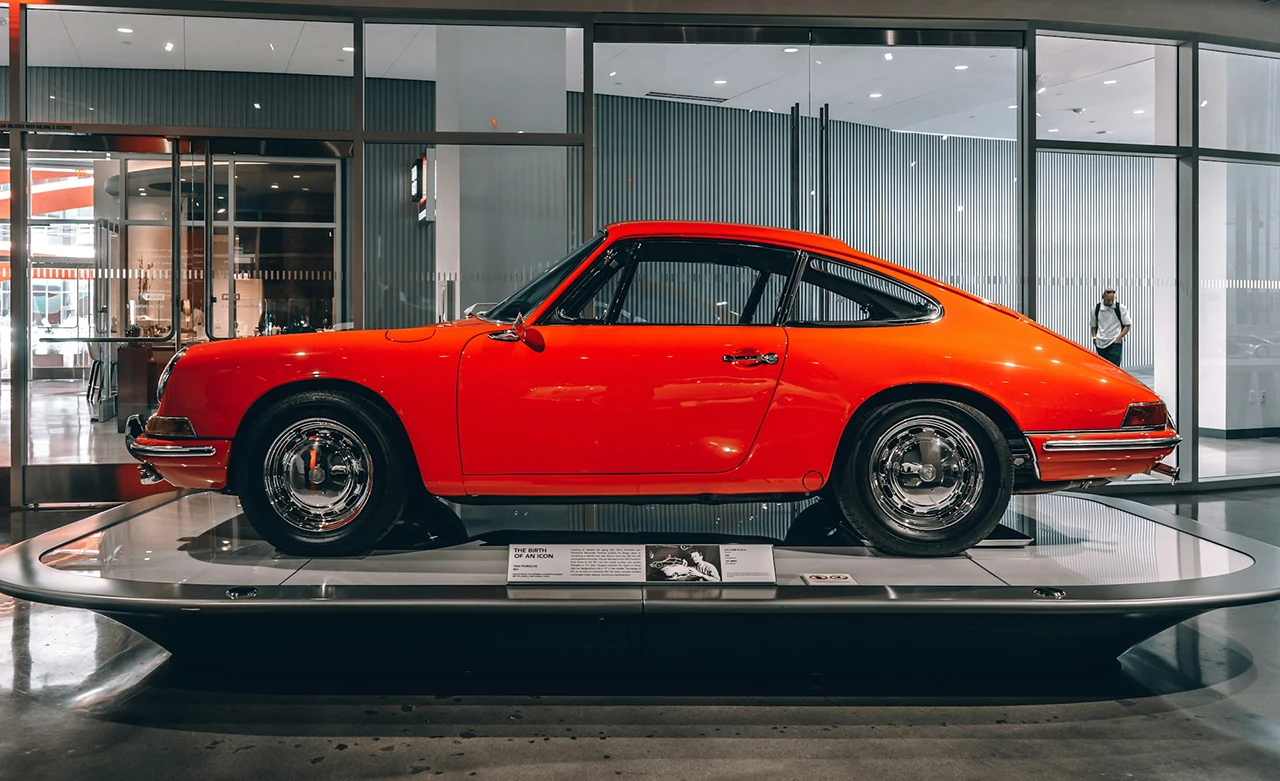
At the Petersen, each automobile is perceived as an object of design and art. Vintage models with flowing lines and refined details resemble sculptures. Every form carries meaning and reflects the attention to detail that defined the style of its era.
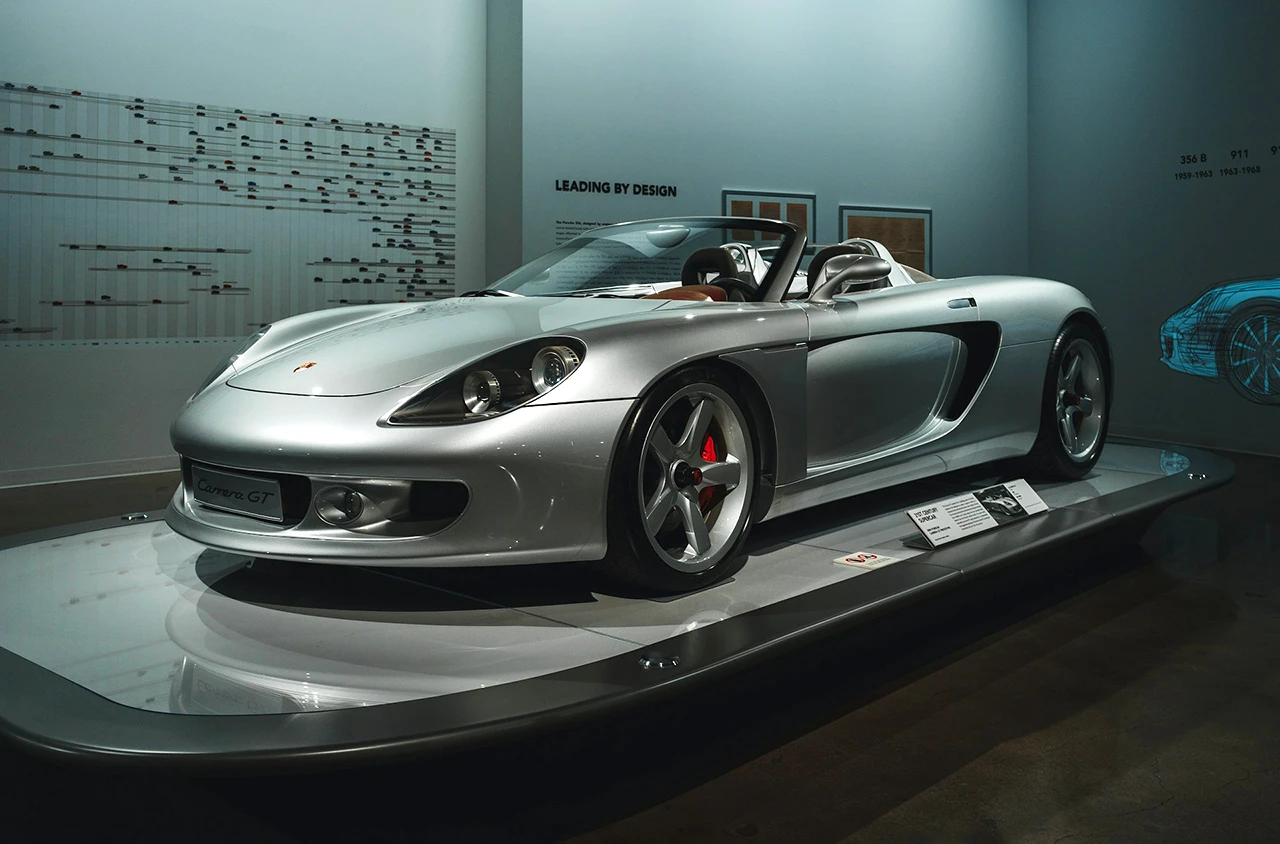
Concept cars, by contrast, present bold decisions and futuristic forms. By comparing vintage models and concepts, one can trace the evolution of design solutions and technologies that turn the automobile into an experiment in space, form, and style.
Galleries as chronicles of time
Each gallery of the museum opens a new chapter in automotive history. One is dedicated to classics, another to design and innovation, and a separate section to the rare Underground Vault collection.
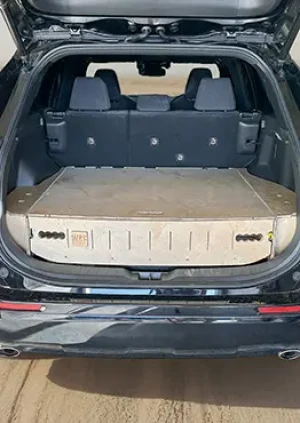
Walking through the galleries feels like moving across decades. The exhibits show how society, lifestyle, and engineering thought have changed. Reflecting on modern vehicles, you understand that thoughtful use of space remains an essential part of automotive culture. For example, among Toyota owners, best RAV4 accessories are popular as practical additions for everyday use. This same attention to detail can be seen in the historic models displayed in the museum.
Technology and engineering
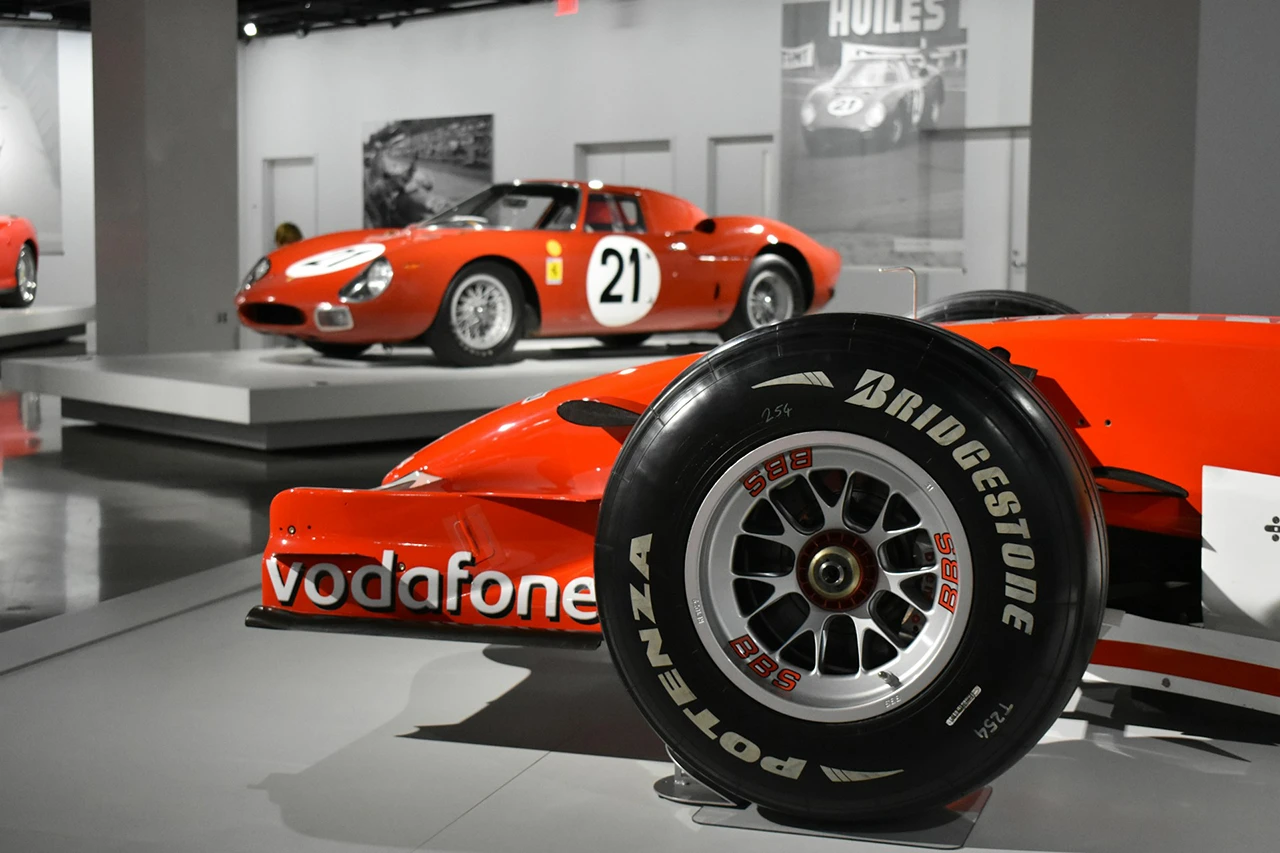
Each automobile in the museum is a miniature engineering experiment. Its form, materials, and construction details reflect progress that has transformed comfort, lifestyle, and mobility.
The exhibits illustrate the path of design and engineering decisions from early innovations to futuristic concept cars that open new horizons in automotive design.
The museum is of interest not only to historians and collectors, but also to anyone who wants to understand how technology influences daily life and shapes the modern perception of cars.
Temporary exhibitions and interactive programs
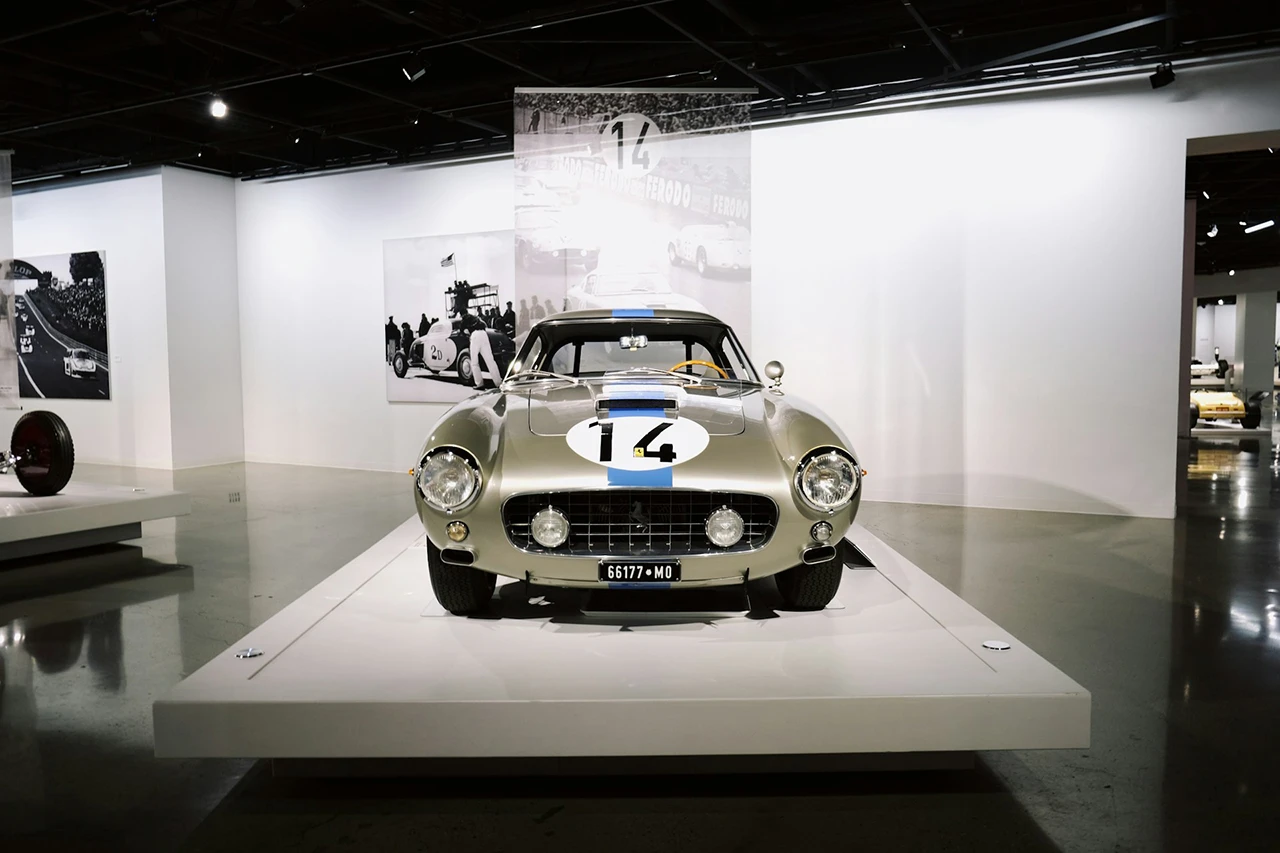
Temporary exhibitions reveal unexpected aspects of automotive culture. Lectures, workshops, and interactive displays make the museum accessible to diverse audiences, allowing visitors to see how concept cars are created and to understand the principles of aerodynamics, control systems, and future technologies.
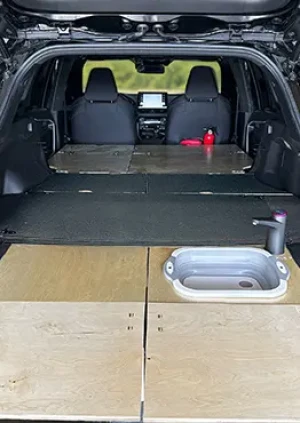
Closer to the end of the exhibition, a contemporary perspective on the automobile emerges. Off road vehicles for active lifestyles show that cars continue to be part of everyday life and travel in the twenty first century. For example, Toyota RAV4 camping accessories demonstrate how modern vehicles develop ideas of functionality and practicality.
The Petersen Automotive Museum is a bridge between eras. On one side, it preserves the legacy of classics and early design experiments, and on the other, bold concepts of the future inspire new discoveries and illustrate the evolution of automotive culture.