Gilmore Car Museum: A Legacy of American Automotive History
In the southwest of Michigan, in Hickory Corners, sits the Gilmore Car Museum, one of the largest automotive museums in the United States.
The exhibits are housed across several independent buildings that recreate the atmosphere of 20th-century American automotive culture. Neat pathways between the pavilions allow visitors to move from one era to another, creating the effect of a journey through time.
From a Private Collection to a National History Center
The museum’s story began with Donald Gilmore’s personal passion. Over time, the private collection grew so much that it transformed into a full-fledged cultural complex. The number of vehicles increased, and new thematic buildings and pavilions were added.
Today, the museum includes dozens of pavilions and halls, from specialized exhibits to partner collections. Its development has been gradual, step by step reflecting the growing interest in preserving automotive heritage. Here, visitors can learn how the industry was shaped and, alongside it, how the American way of life evolved.
Architecture as a Storytelling Tool
The museum’s format is one of its distinctive features. Exhibits are spread across multiple separate buildings, each conveying the spirit of its era.
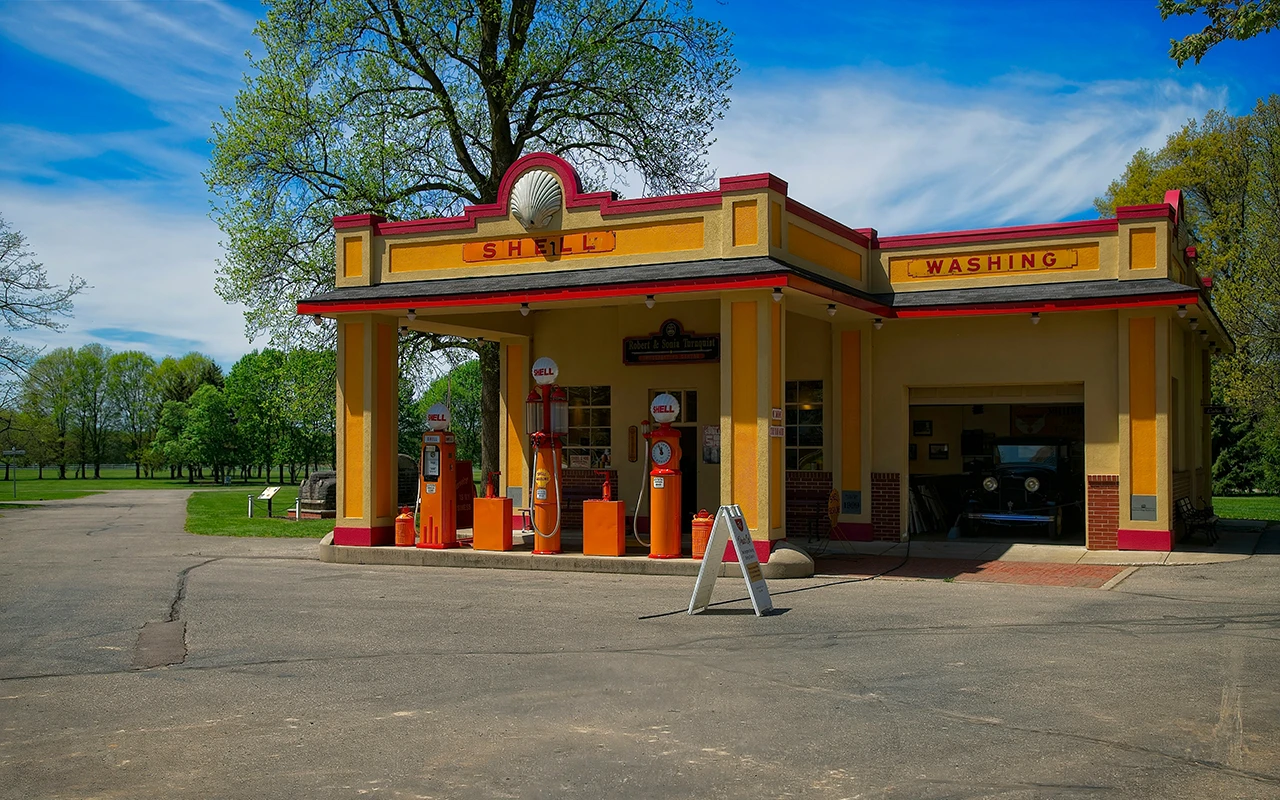
Many spaces are styled to resemble historical automotive settings: barns converted into exhibition halls, early 20th-century service stations, and reconstructed car showrooms. Tools, signs, and vintage details create a sense of authenticity and connection to history.
The Evolution of Form and Concept
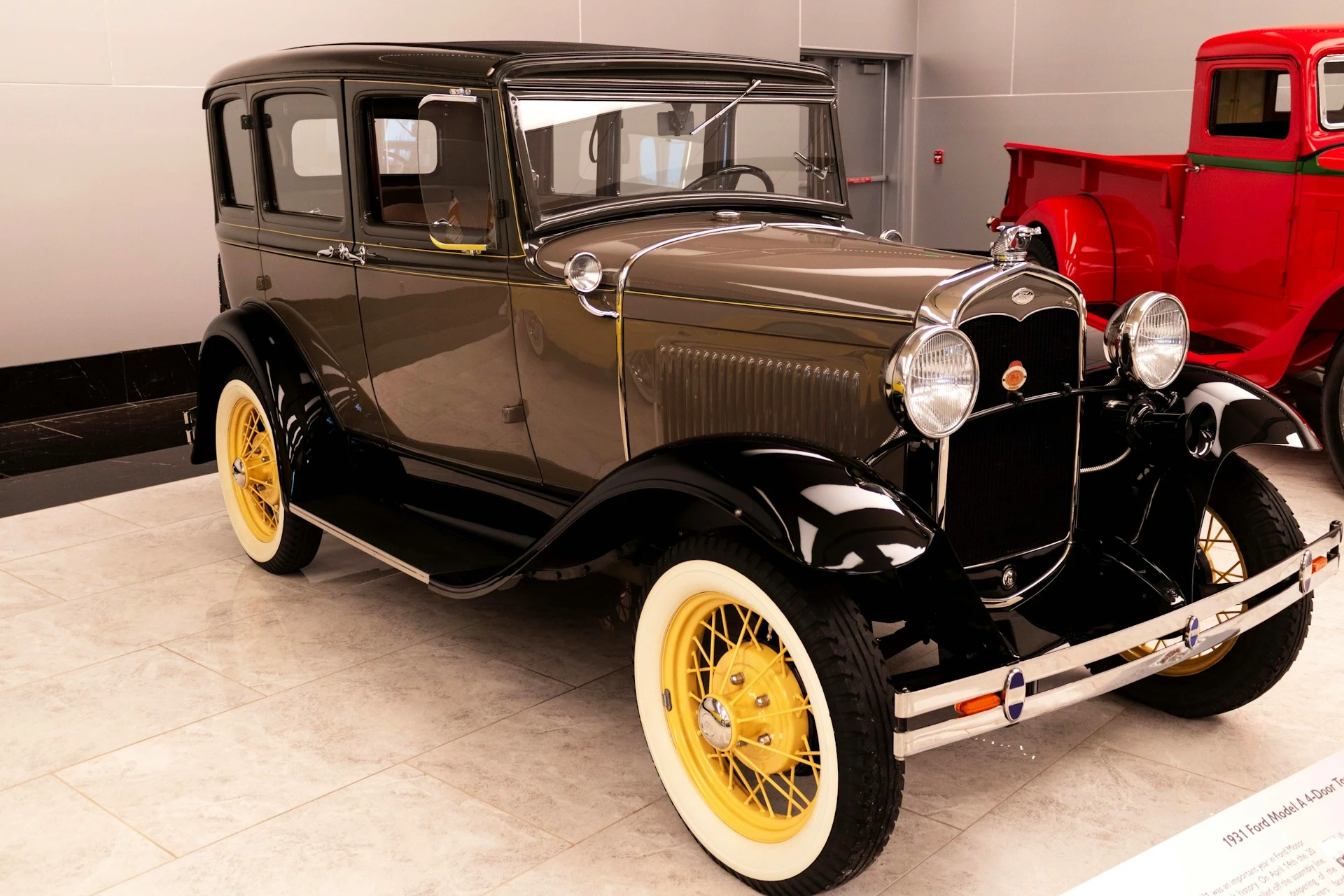
The collection spans different stages of American automotive development. Early brass-era vehicles reflect the period of engineering experimentation in the early 20th century, when manufacturers explored engine design, transmissions, and body shapes. Models from the 1930s to 1950s demonstrate the development of aerodynamics and industrial design. Lines became smoother, bodies more streamlined, and design received greater attention.
From the 1950s through the 1970s, large sedans and muscle cars became symbols of economic growth and technological optimism. Cars gradually became personal spaces, with increasing focus on comfort, engine performance, and individual style.
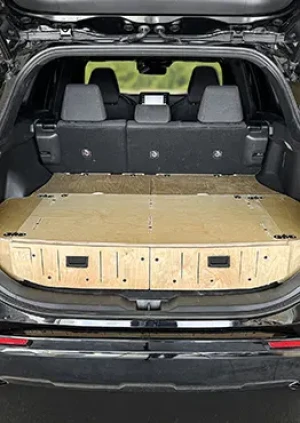
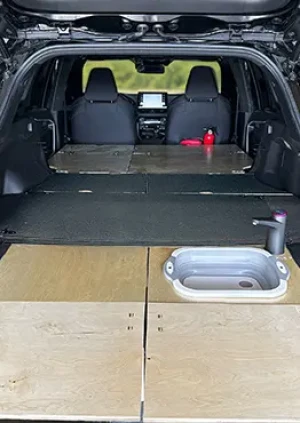
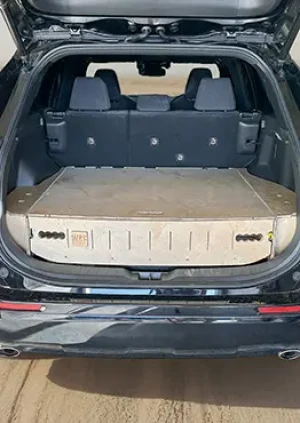
The idea of a versatile family vehicle continues in modern models, including the Toyota RAV4. Around these cars, a distinct culture of personalization has formed, from selecting RAV4 accessories to the search for the best accessories for RAV4 that reflect the owner’s lifestyle.
Brands, Character, and Industrial Identity
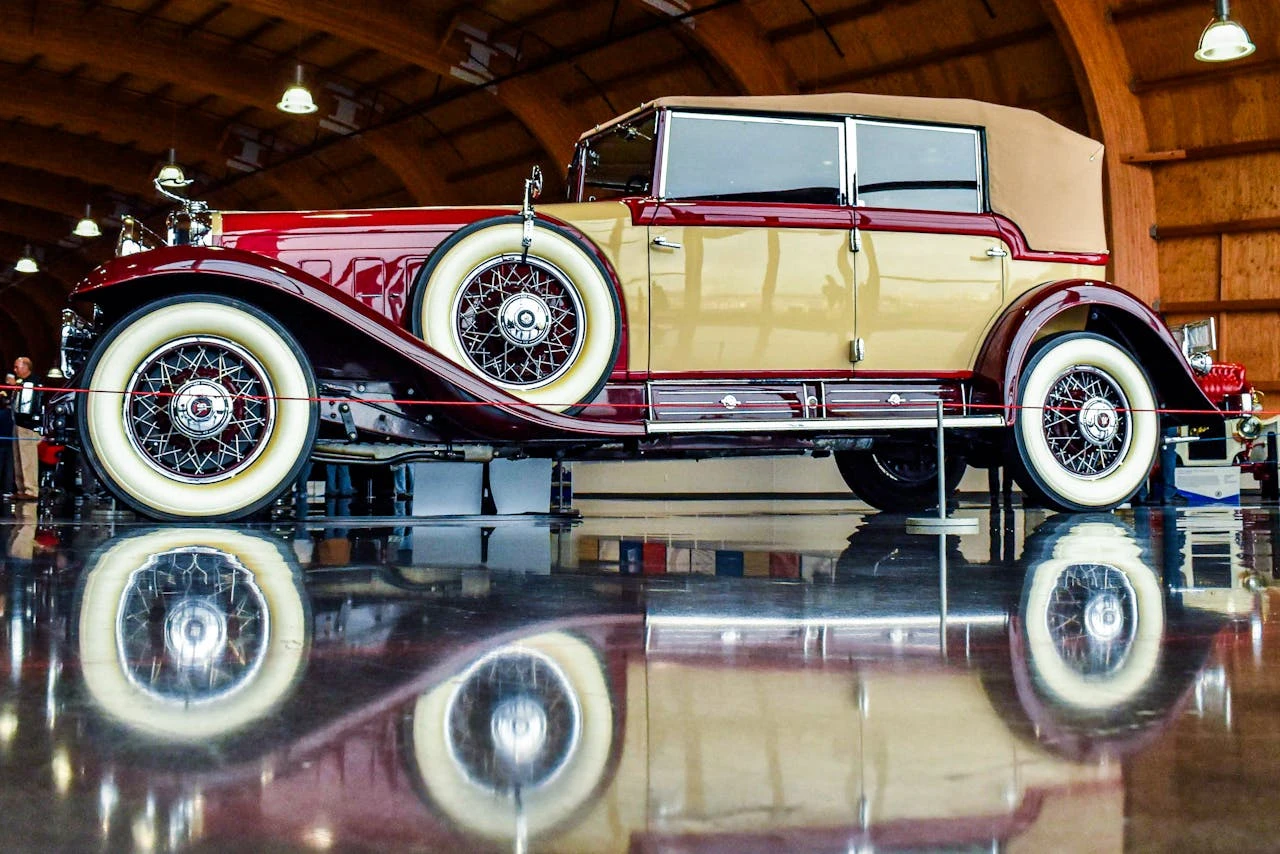
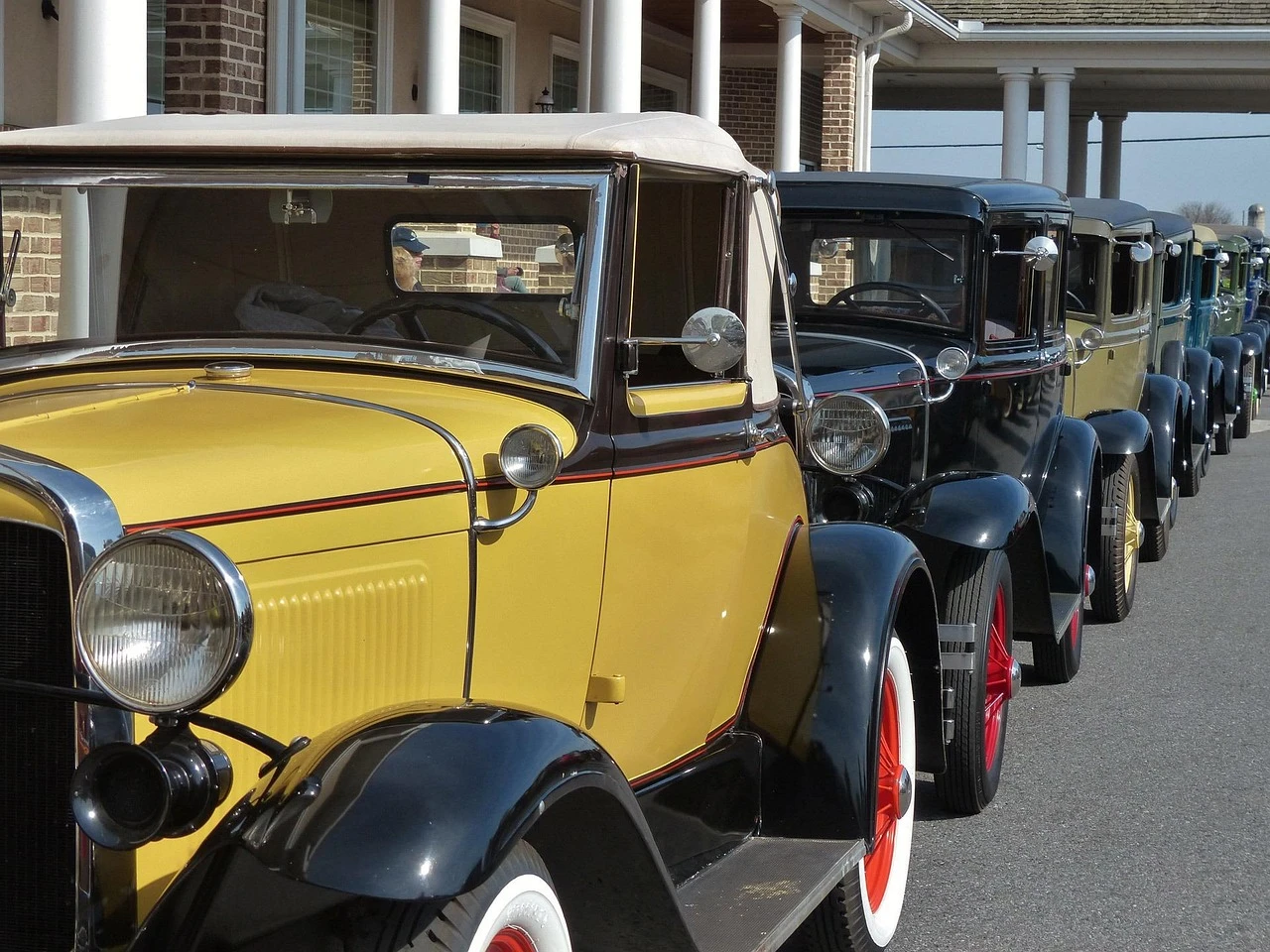
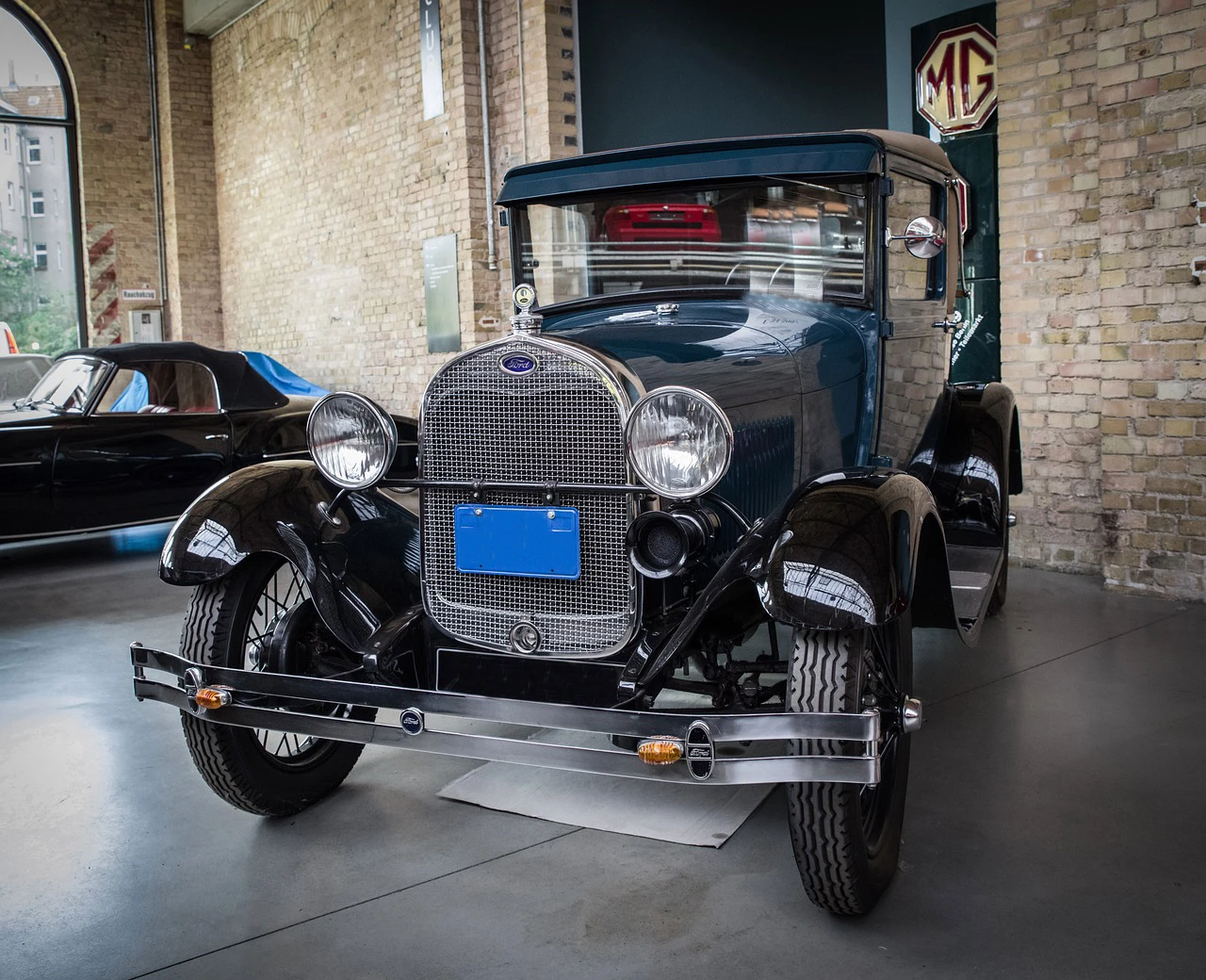
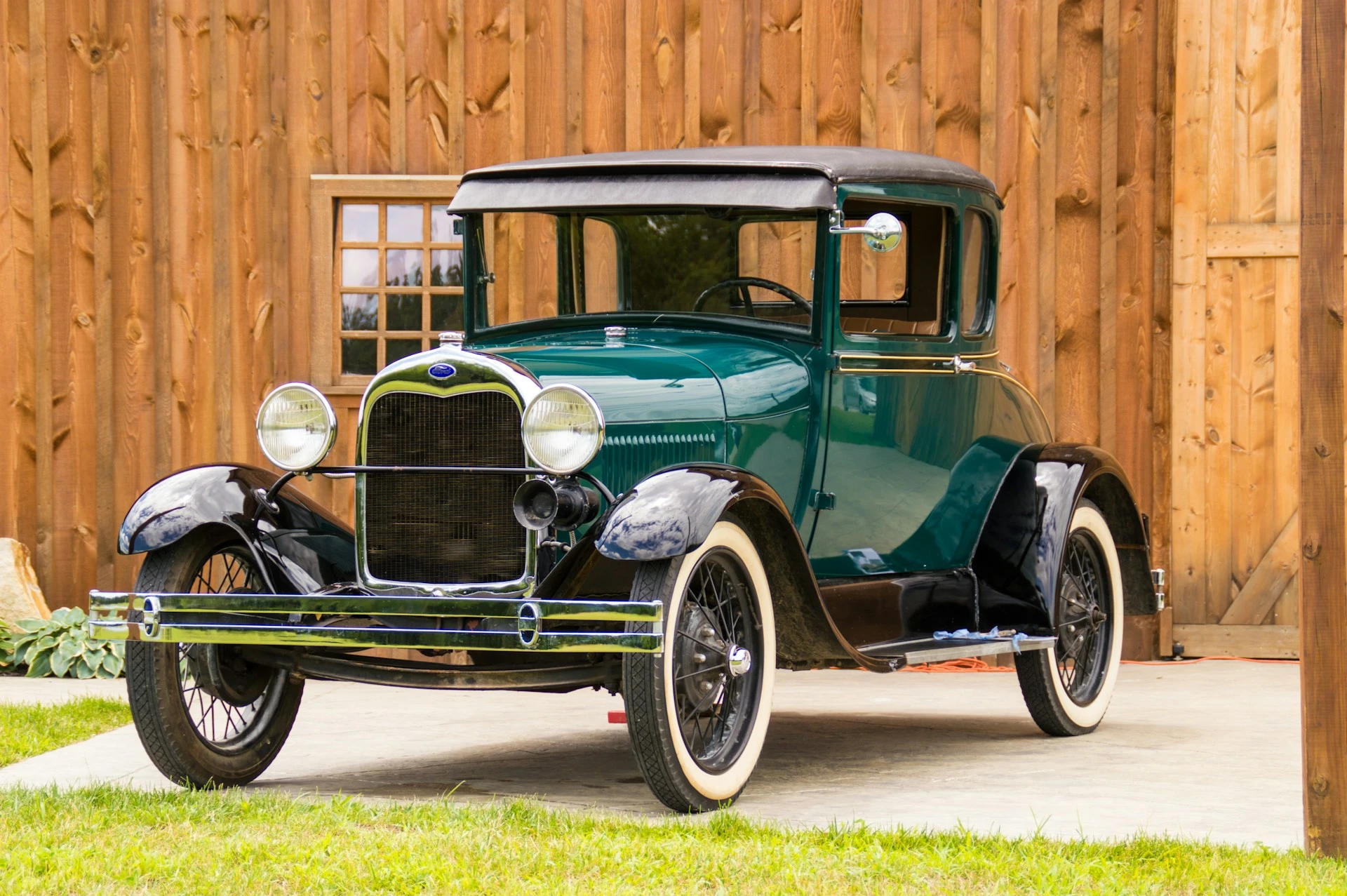
Within the Gilmore Car Museum, several partner museums operate, each dedicated to a specific brand. These include exhibits related to Cadillac LaSalle, Pierce-Arrow, Ford Model A, and other manufacturers. This allows visitors to trace the history of individual companies, their technological breakthroughs, crises, and shifts in design trends.
For example, early 20th-century Cadillac vehicles show how the premium car segment developed in the United States. Pierce-Arrow illustrates a period when engineering precision and handcrafting defined a brand’s reputation. Ford Model A vehicles reflect the rise of mass production and accessible personal transportation.
Through these collections, the evolution of the automotive market is visible. Some companies targeted affluent customers, while others focused on the growing middle class. This influenced vehicle pricing, equipment levels, body design, and marketing strategies.
The automotive industry grew alongside the economic expansion of mid-20th-century America. Highways were built, suburbs expanded, and a culture of family mobility took shape. Practicality remained a core value. Today, this approach continues in the attention to details, including RAV4 prime accessories.
The Museum as a Guardian of Memory
Special attention is given to vehicle preservation. Restoration processes are carried out with respect for original materials and techniques. Cars retain their authenticity, and their histories are documented, studied, and passed on to future generations.
The museum engages actively with visitors. Educational programs, themed events, and collector gatherings make the space open and dynamic.
Take a walk through the Gilmore Car Museum and discover a world of automobiles that continues to surprise and inspire.