Order in the Car: How Storage Systems Came to Be
There are things we rarely think about, even though they make a car trip more comfortable. One of these is the storage system. We open the trunk and put in bags, tools, and shopping packages. It’s only when things start getting in the way that we realize order in the car is essential.
But where did the very idea of organizing a car’s space come from? How did storage evolve into the thoughtful designs we see today? To understand this, we need to go back to the early days of the automobile.
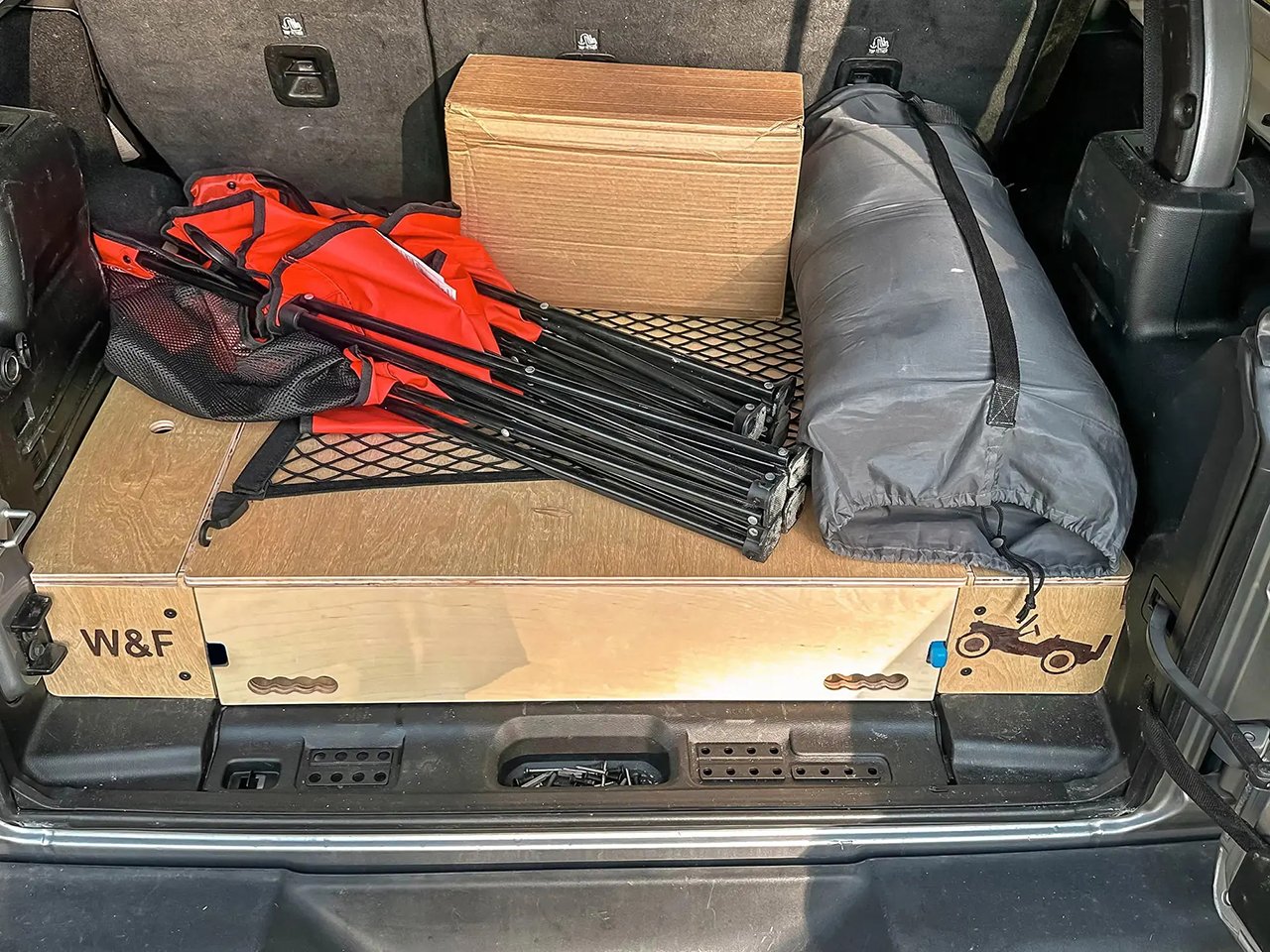
From Necessity to the First Storage Idea
In the first years of cars, people cared more about mechanics than comfort. Engines were complicated, roads were uneven, and even carrying the most basic items required ingenuity. One of a driver’s first concerns was protecting their hands from cold, wind, and dirt, so gloves were a must-have accessory.
To keep them handy, drivers began storing gloves in a dedicated compartment on the dashboard. This “box” served a broader purpose than just holding an accessory. It was an early response to the need for order inside the cabin. Over time, this compartment became known as the “glove compartment,” because gloves were the first items stored there.
The earliest known design of such a compartment appeared in a Packard car in the early 20th century. A sealed, lockable box in the front of the vehicle was used to store items the driver wanted within easy reach.
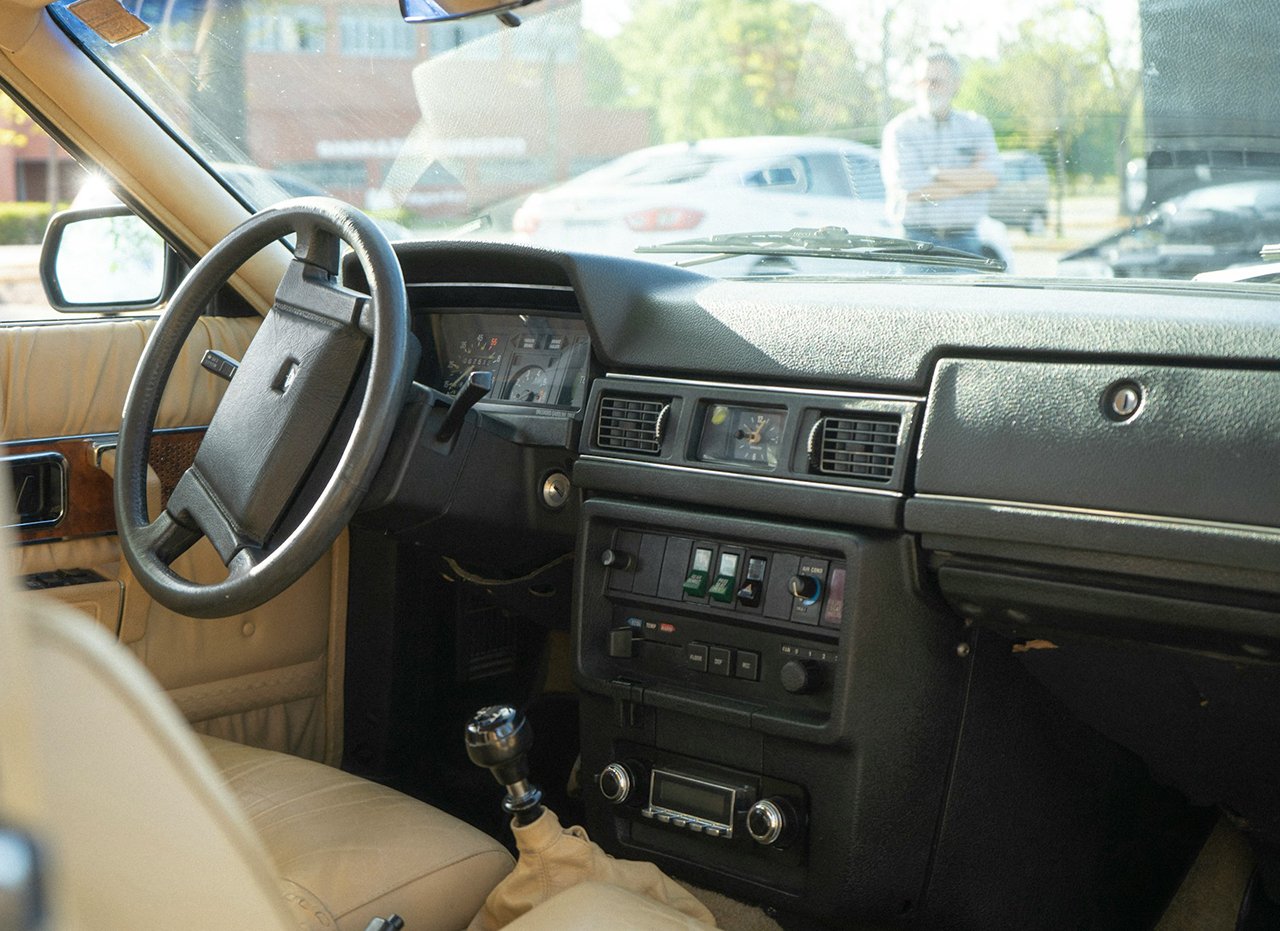
Why the Classic Glove Compartment Became Standard
As car manufacturing developed, the glove compartment proved not only useful but versatile. Documents, tools, oil cloths, and small items that were easy to lose on the road could all be kept in one place. It quickly became a standard part of the dashboard: lockable, conveniently positioned, and sufficiently spacious.
Over time, many drivers began using the glove compartment as a “catch-all,” tossing in everything from gum wrappers to first-aid kits.
Evolution: From Glove Compartment to Comprehensive Systems
Starting in the mid-20th century, cars became increasingly comfortable. People took more and more items on trips, from magazines and maps to children’s toys and picnic baskets. The glove compartment remained an important part of the cabin. Gradually, new solutions appeared: nets behind seatbacks, additional niches and boxes, cup holders, and tunnels between seats that made it easier to store items.
Eventually, the car stopped being just a means of transportation. By the second half of the 20th century, it was more often used for long trips, family vacations, and outdoor getaways. As journeys grew longer and the variety of items increased, organizing space became a priority. Simple compartments were no longer enough. Drivers needed solutions that allowed items to be stored neatly, safely, and within easy reach.
Modern Solutions: Functionality and Environmental Care
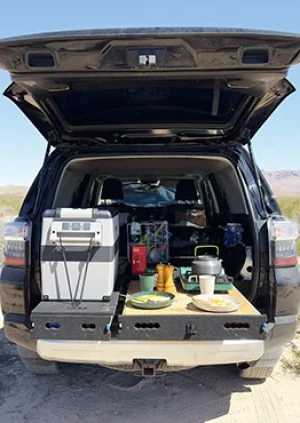
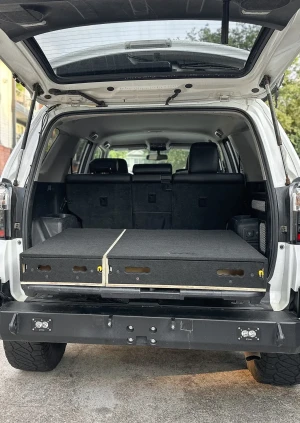
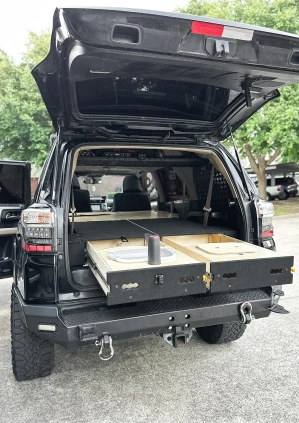
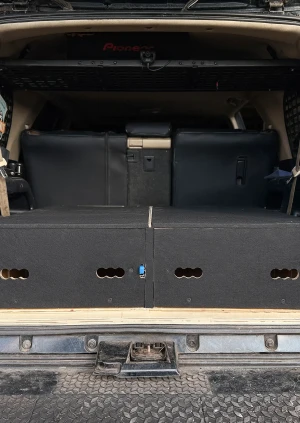
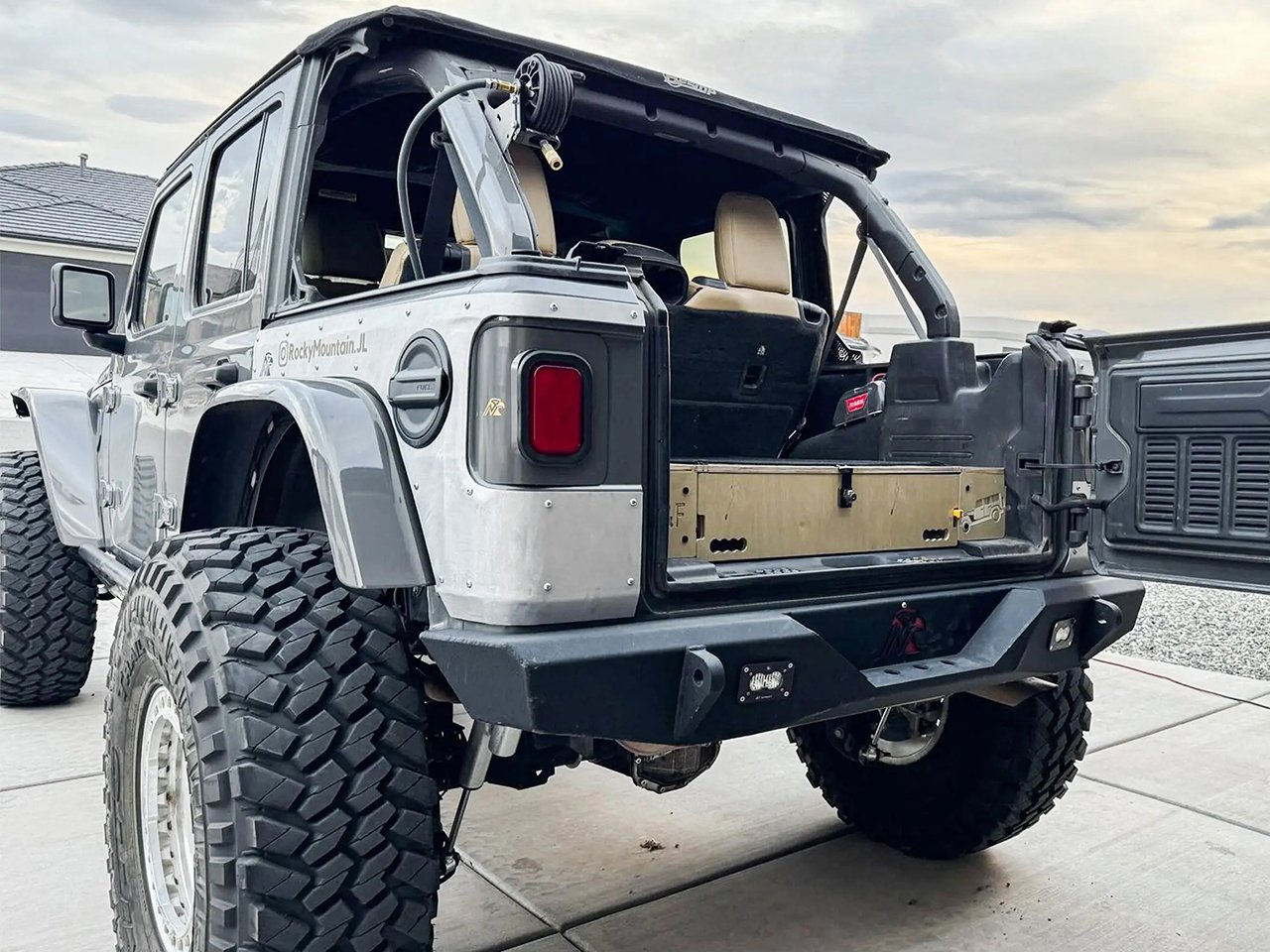
Today, brands offer complete modules that turn the trunk into an optimally organized space for belongings, designed with the driver’s and passengers’ needs in mind.
A modern example of this approach is Wheels & Feels, a company that creates custom storage systems for vehicles: sliding drawers, sleeping platforms, camper kitchens, and specialized modules precisely fitted to a specific car model using 3D scanning.
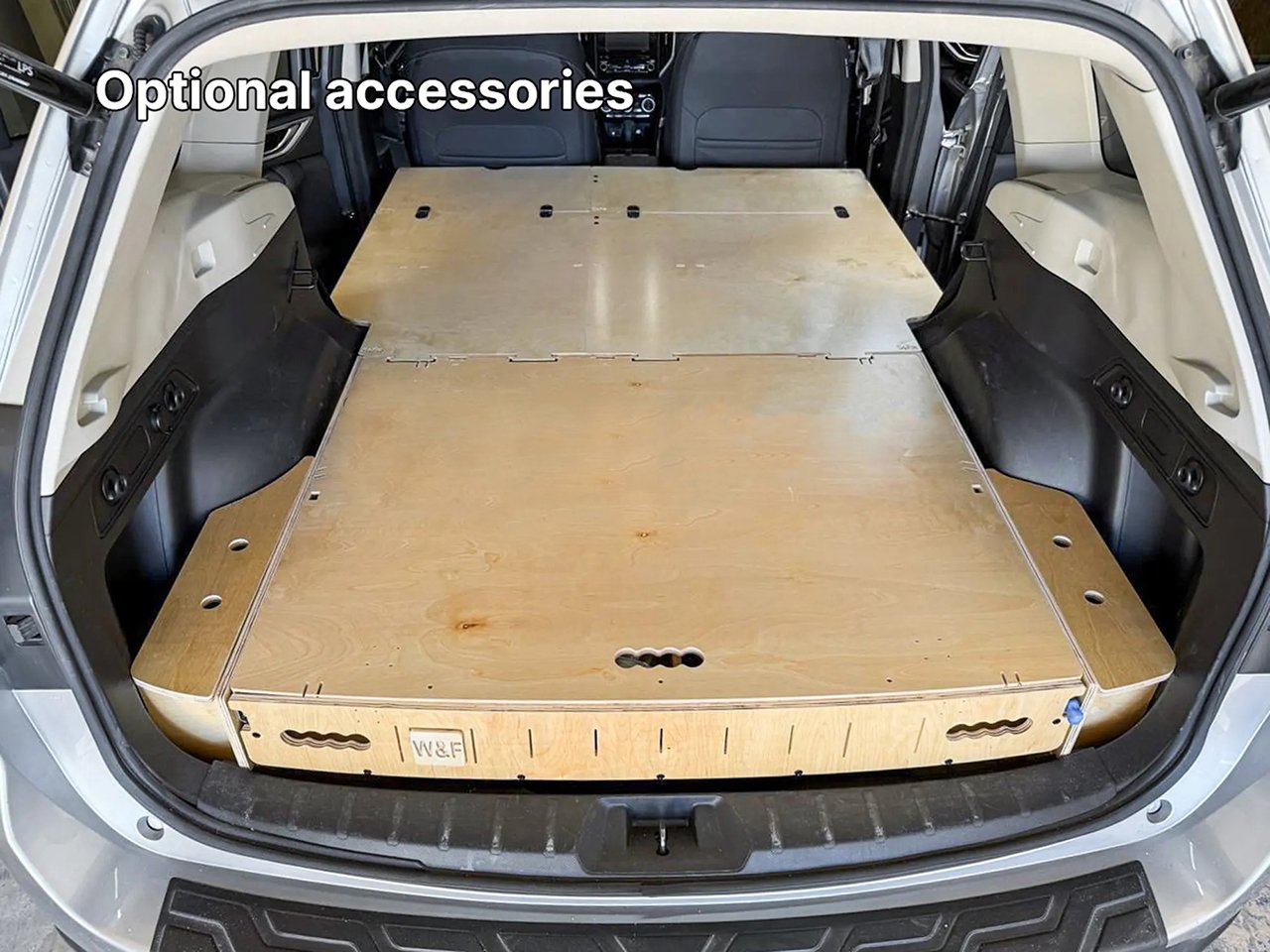
A key part of Wheels & Feels’ philosophy is sustainable production. The company uses locally sourced materials and aims to minimize waste and environmental impact. This approach reflects a modern understanding of the manufacturer’s responsibility, not just for the functionality of the product, but for how it is made.
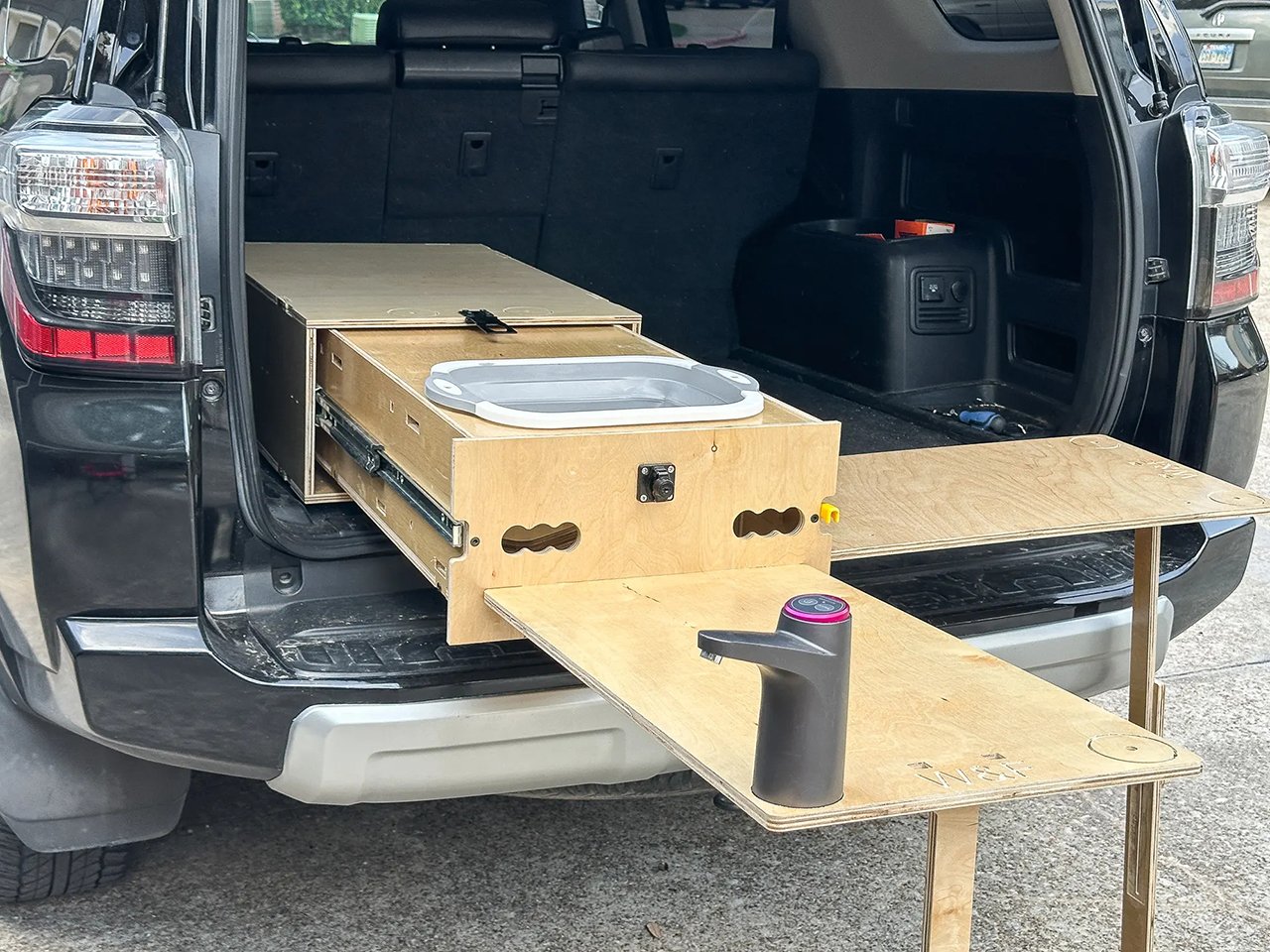
These storage systems allow the car to function as a mobile space for relaxation and travel, making trips more organized and convenient.
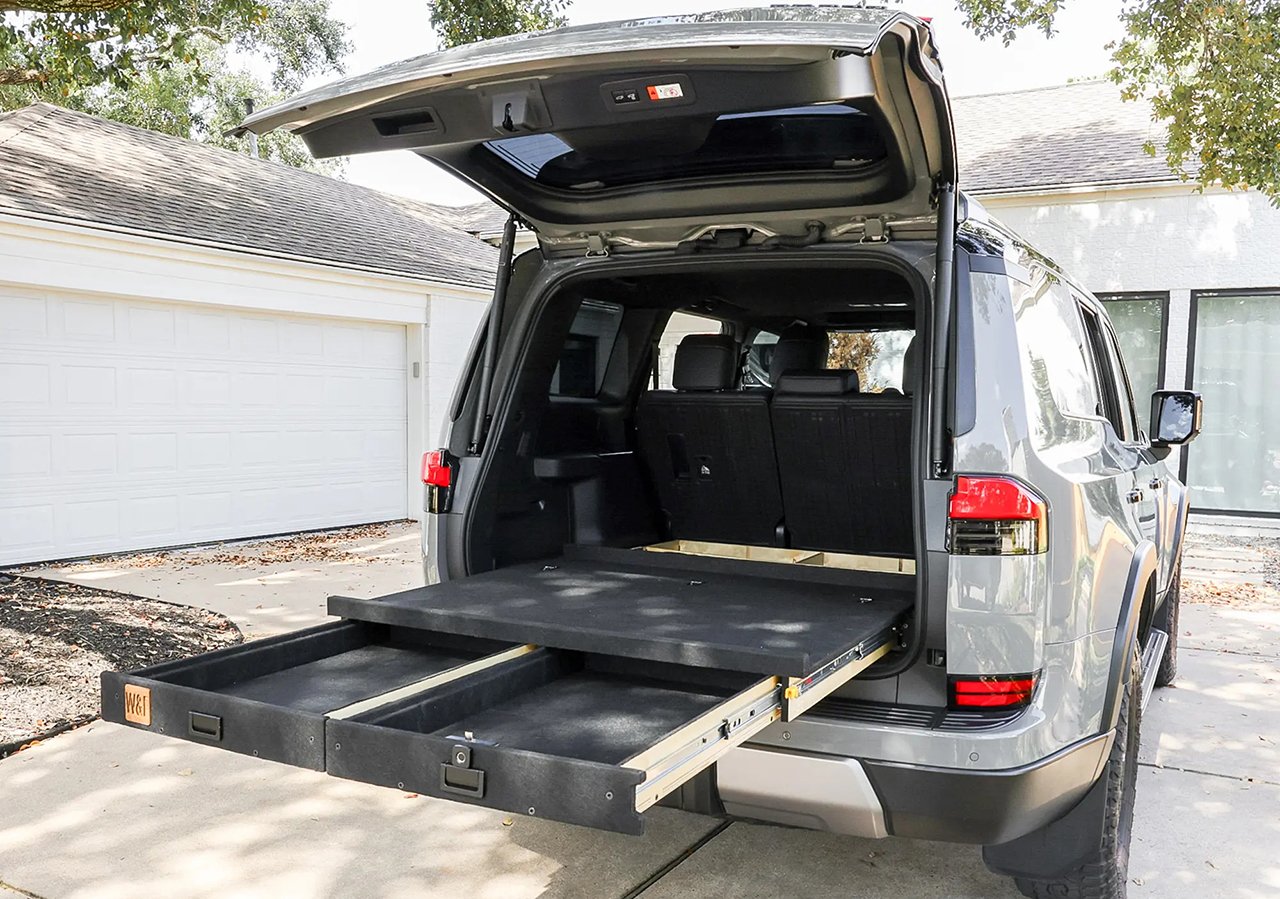
Order in a car turns a journey into an enjoyable experience. Thoughtful organization eliminates chaos, makes travel safer and more comfortable, and lets you focus on the journey itself.