Time and the Road: A First Car Camping Trip Without Illusions
A first car camping trip is not a perfect magazine picture, but a test of yourself, your vehicle, and how well your space is organized. Travel offers freedom, but comfort on the road depends on preparation and practical solutions.
Vehicle preparation
Before departure, it is important to check the engine, brakes, tires, and lighting. Even a minor issue can disrupt the trip.
Tip: bring a tire repair kit and a basic set of tools, a compact flashlight, and a couple of zip ties. This minimal kit can help with almost any small breakdown far from civilization.
Trunk and cabin organization
Thoughtful organization makes the trip easier and the space more comfortable.
Tip: keep essential items such as a flashlight, first aid kit, and map in separate, easy-to-access containers. Place heavy items closer to the center and lighter ones on top. Use labels on containers and bags to quickly find what you need, even on rough roads.
Packing
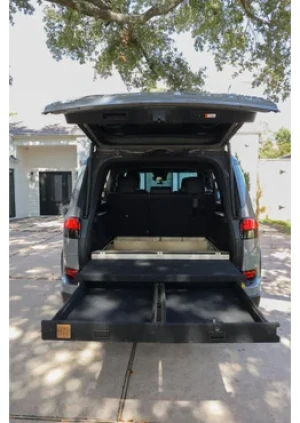
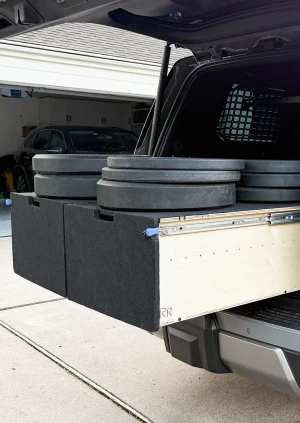
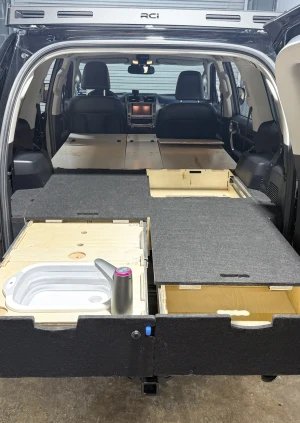
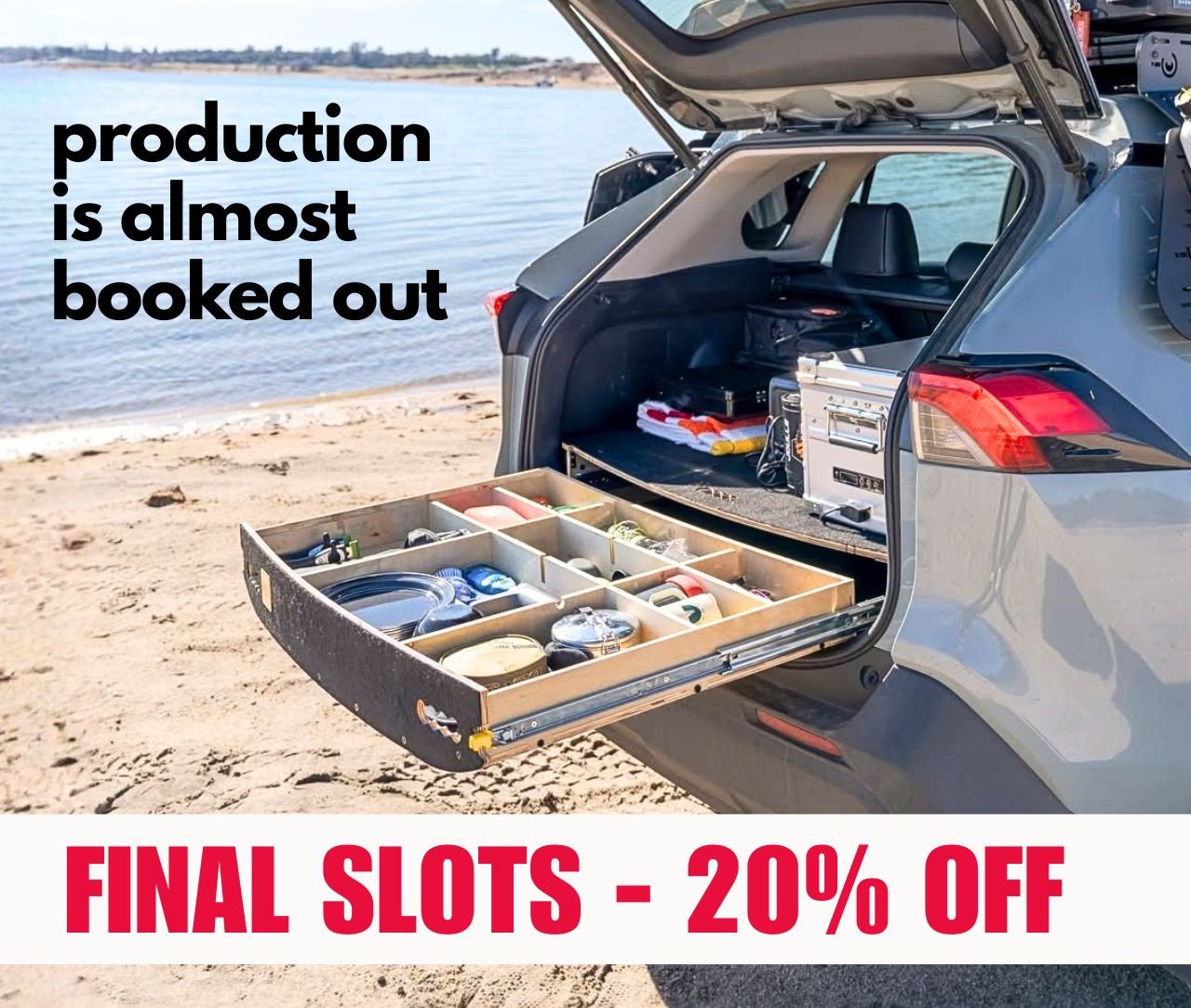
The basic set of items remains the same: weather-appropriate clothing, a first aid kit, minimal cookware, and tools. Using an SUV drawer system allows each item to have its own place. As a result, even on uneven roads, items do not mix and remain neatly arranged.
Tip: to maintain order on the road, add plastic bags for trash and dirty clothes.

A kitchen on wheels
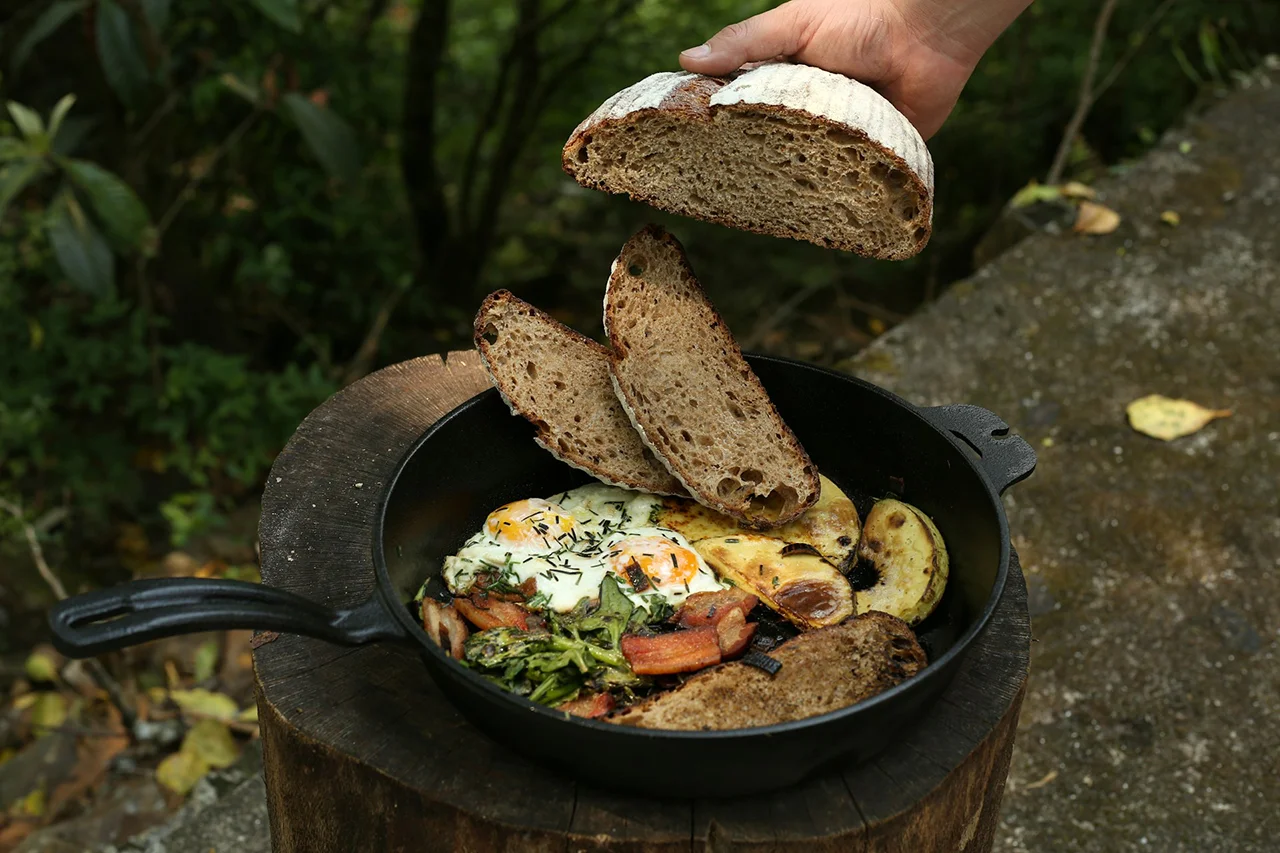
Cooking on the road should not turn into a challenge. A compact in-vehicle kitchen saves time and energy. The minimum setup includes a small stove, basic cookware, and containers for food.
An SUV camp kitchen with a built-in sink makes it easy to wash dishes, fresh vegetables, and fruit right on the road. The key is to bring a sufficient water supply in advance.
Tips:
• keep a small bowl nearby for washing dishes, which can be useful when water is limited;
• pre-cut vegetables and prepare dry ingredients in advance. This saves time and effort;
• plan your menu so that products can be quickly accessed from containers;
• do not forget a folding knife and a cutting board.
Route and overnight planning
Consider distances, access to water, campsite conditions, and basic amenities. Shorter drives help conserve energy and allow time to settle in calmly before dark. Do not forget backup overnight options. They are useful if plans change.
Tip: mark several alternative spots on the map with a level surface and access to water, and note the approximate sunset time. This helps you catch the ideal moment to stop for the night and feel the rhythm of traveling through time.
Modern camping solutions make it possible to set up a sleeping area inside the vehicle and efficiently use the space underneath for storage.
Tip: bring a mattress and a pillow so the night is comfortable and you can fully rest.
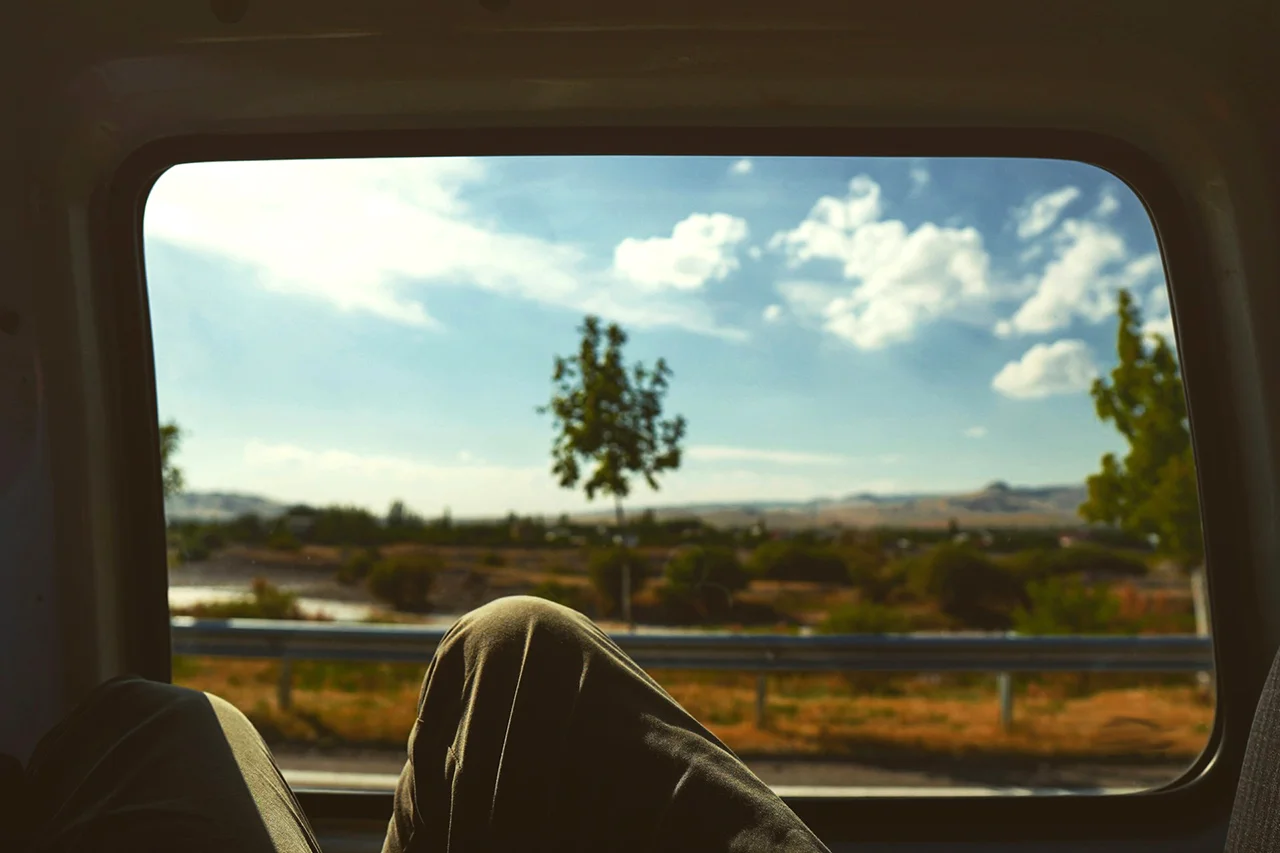
A first car camping trip is a combination of preparation, practicality, and the ability to use space wisely. Plan your route, slow down on the road, and move toward new discoveries, turning the trip into a true journey through time.