The American Path: Hippies and Hitchhiking
In the mid twentieth century, America became a space of free self-discovery for many young people. Roads stretched like endless ribbons across prairies and mountain passes, and hitchhiking was not just a way to get around but a true way of life. Hippies chose this path to see the country with their own eyes, hear the music of festivals, and meet people ready to share ideas of peace and love. Every thumb raised on the roadside carried hope for a new adventure, and every passing car became a window into a world full of stories and possibilities.
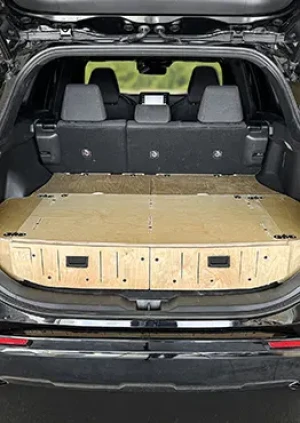
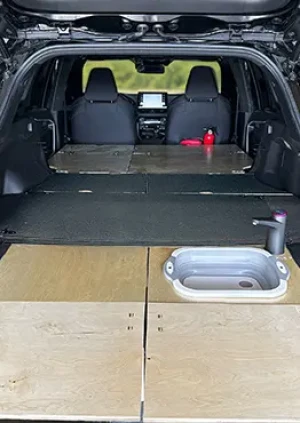
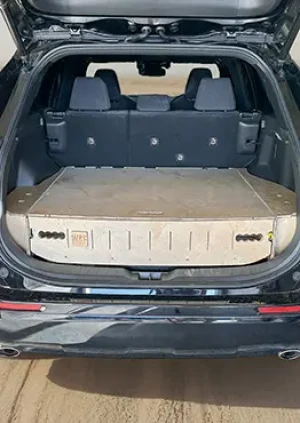
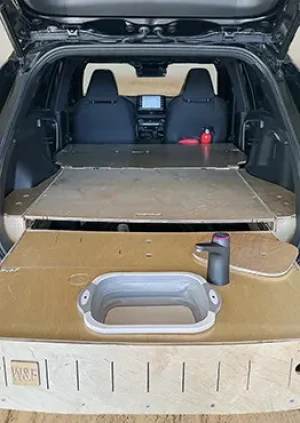
Today, decades later, many travelers inspired by the hippie spirit continue to seek freedom on the road, using modern vehicles. Carefully packed luggage in the RAV4 Prime storage helps preserve order and comfort while keeping the sense of travel alive.
The Origins and Ideals of the Hippie Movement
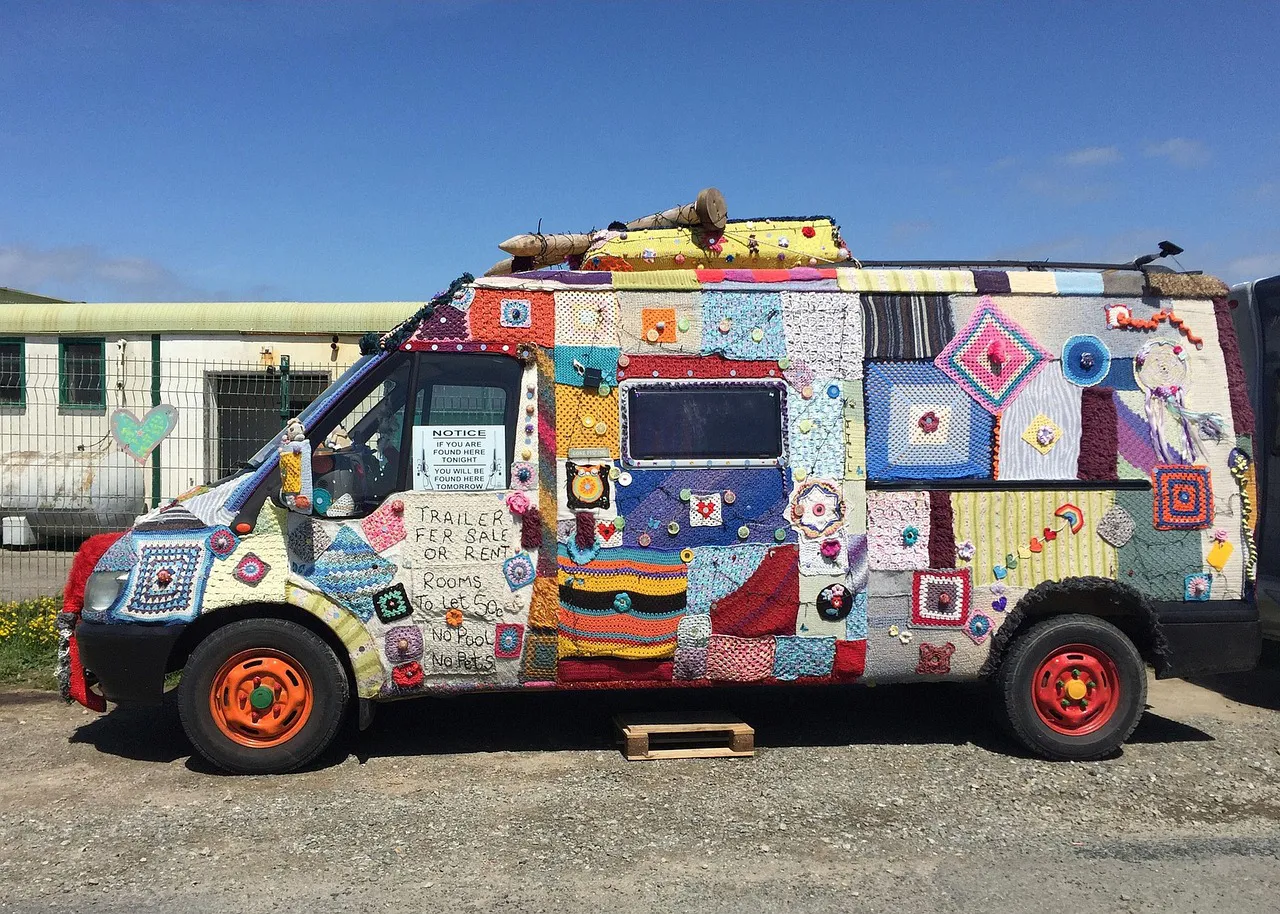
The word hippie comes from the term hip, used by the beatniks of the 1950s and meaning being aware or in the know. The movement itself did not choose this name. It became established through newspapers and magazines that described young people with long hair, bright clothing, and a desire for a different way of life. In San Francisco, in the Haight Ashbury district, those seeking freedom beyond social rules gathered together. The first head shops and cafés opened there, and thousands of young people from across the country arrived. This neighborhood became the heart of the counterculture, and every corner held a spirit of experimentation, creativity, and open possibilities.
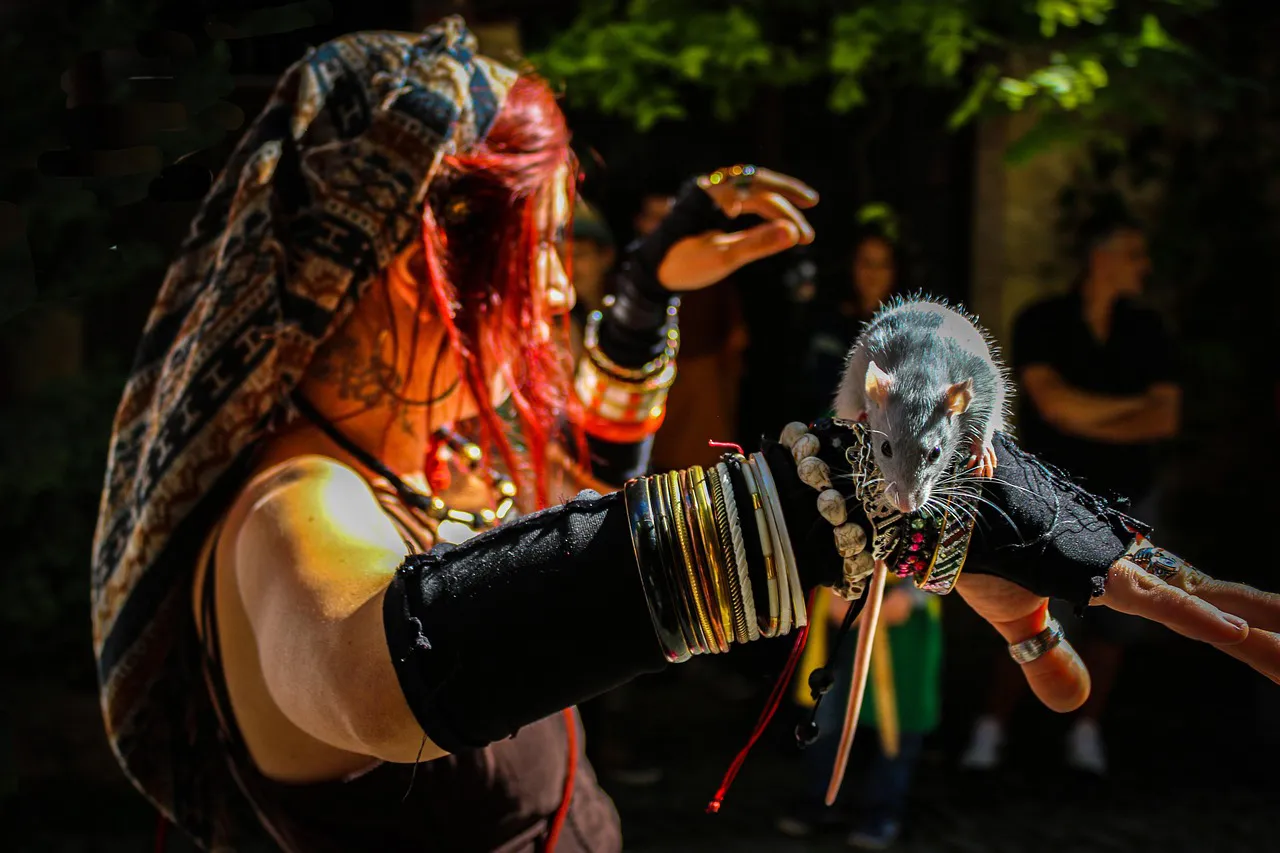
The peak of the movement came during the Summer of Love in 1967. Around one hundred thousand people gathered in Haight Ashbury. That summer became a symbol of freedom and joy, but it was only a natural continuation of the Human Be In event held in January of the same year, when twenty to thirty thousand people came together to exchange ideas and the energy of the counterculture.
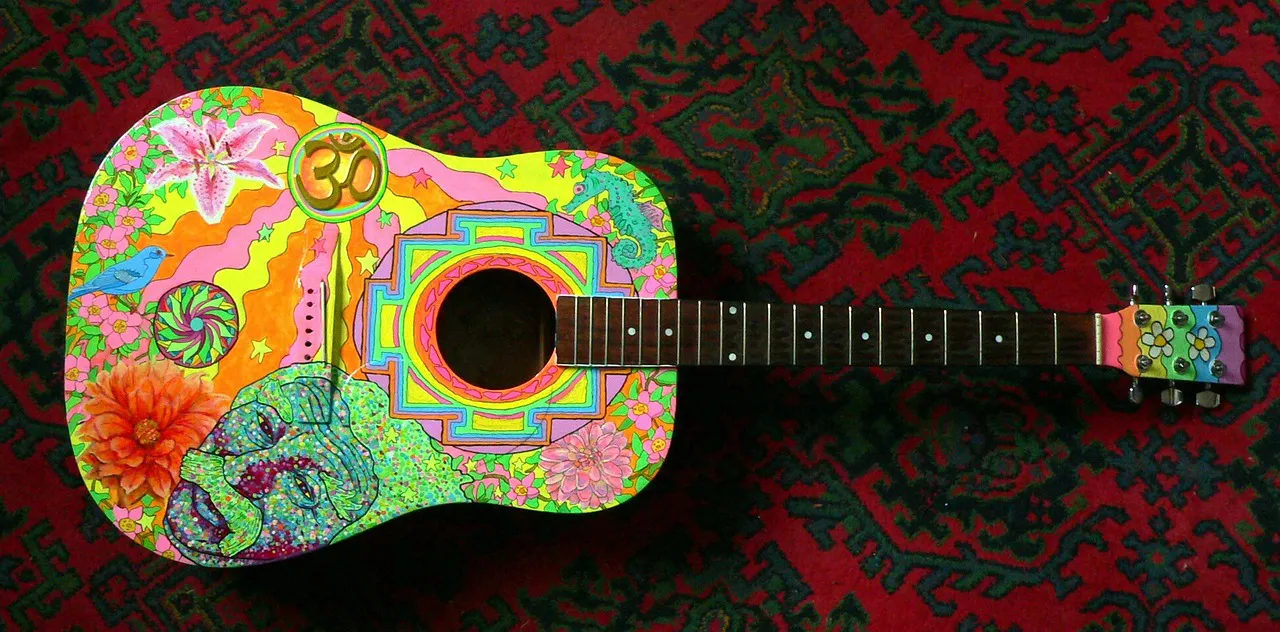
Hippies were generally apolitical, focusing on rejecting consumer culture and imposed norms, while choosing peace, creativity, and self-expression. Their slogan Make love, not war, along with free love, vegetarianism, organic food, and yoga, became part of their distinctive lifestyle and influenced later generations.
Hitchhiking and Traveling Across America
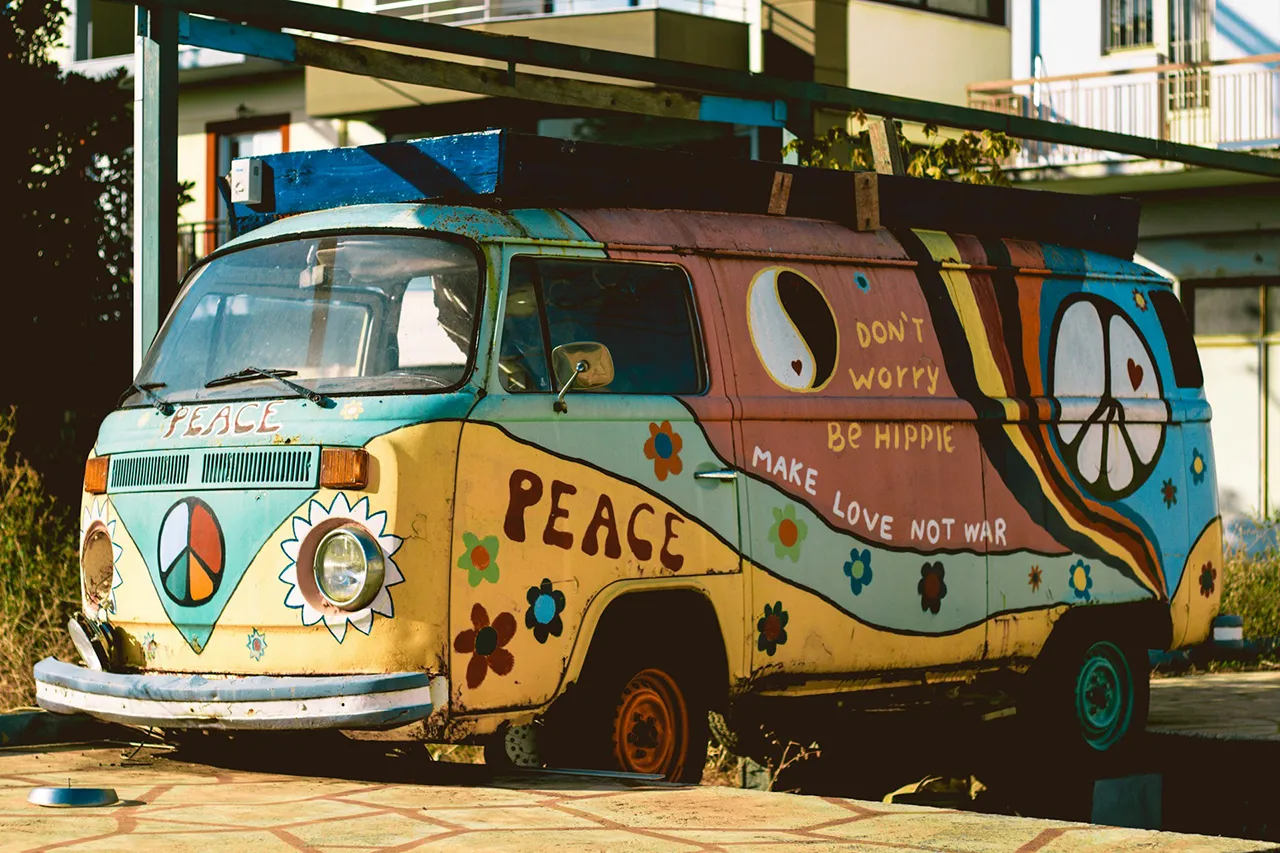
Hitchhiking became a symbol of their journeys. Traveling across America allowed hippies to see not only major cities but also quiet places where time seemed to slow down. They got into passing cars, sometimes for dozens of miles, and let the road choose the direction for them.
Today travelers use modern vehicles to preserve freedom of movement, comfort, and the ability to carry everything they need. The thoughtfully designed space of the RAV4 Prime trunk helps keep belongings neatly organized and feel just as free as the hippies once did on America’s roads.
Routes and Legendary Roads
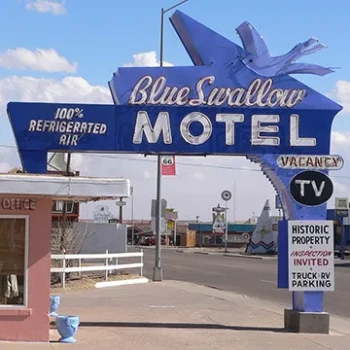
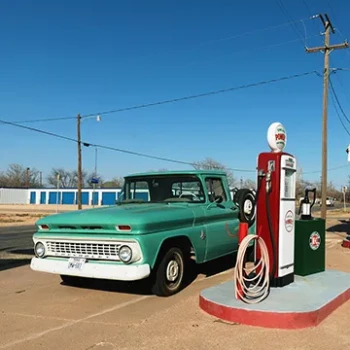
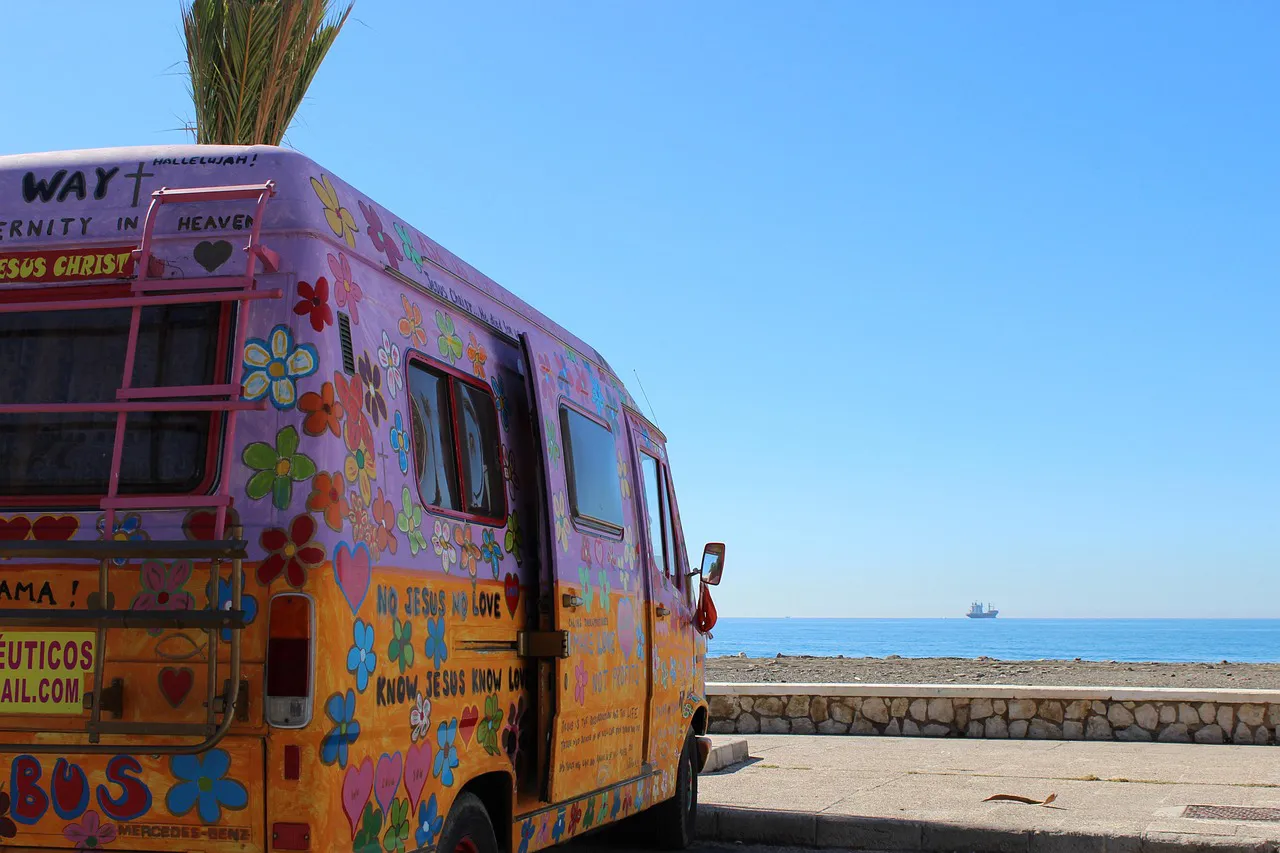
Hippie routes covered the entire country, from the sunny California coast to the prairies of the Midwest, through mountains and endless plains. Today many tourists retrace these paths, stopping at old motels, visiting festivals, and talking with locals, as if returning to a time when hitchhiking was not just transportation but a way of life and a philosophy.
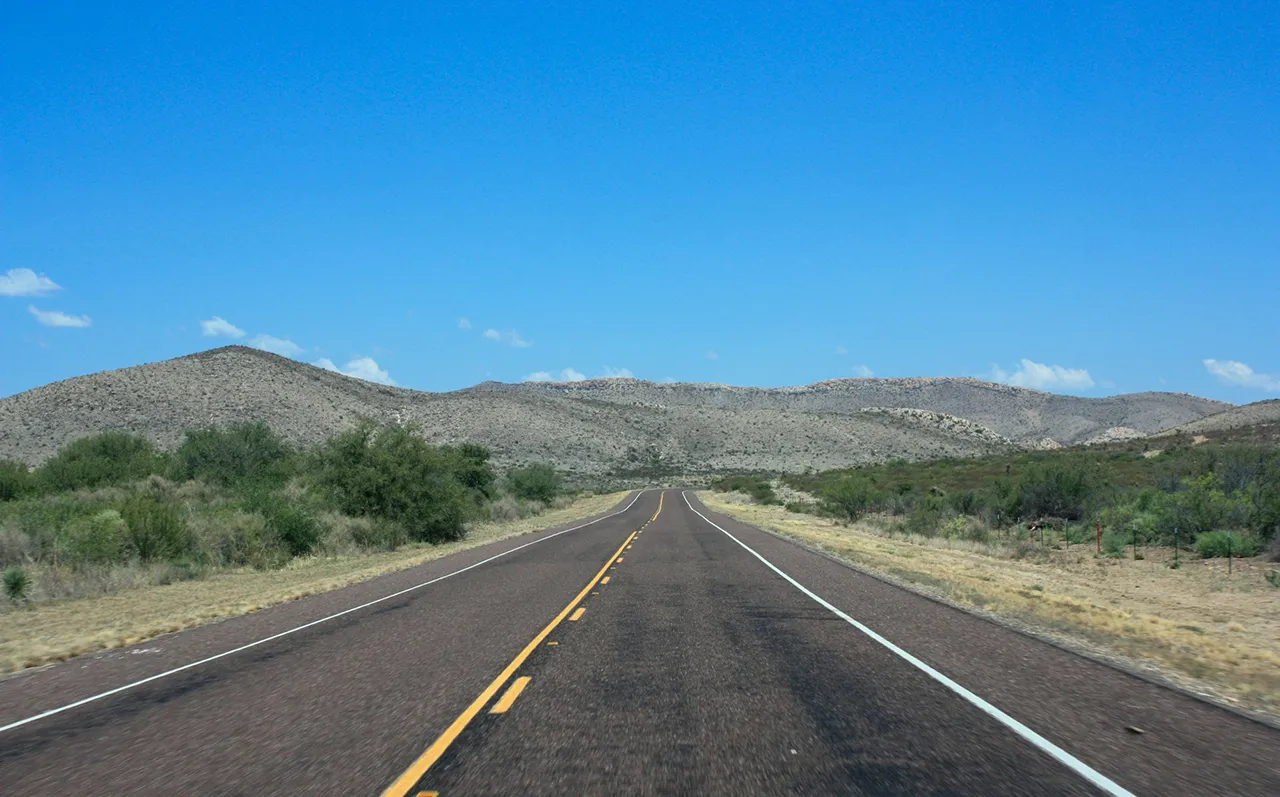
The spirit of freedom that hippies left on the roads of the United States still lives on today. Travel remains a way to understand oneself, culture, and the surrounding world, and the modern RAV4 storage system makes it possible to enjoy this with comfort. This is the true meaning of travel: freedom of movement, open roads, and the ability to value every moment of the journey.